
Last updated November 14, 2026
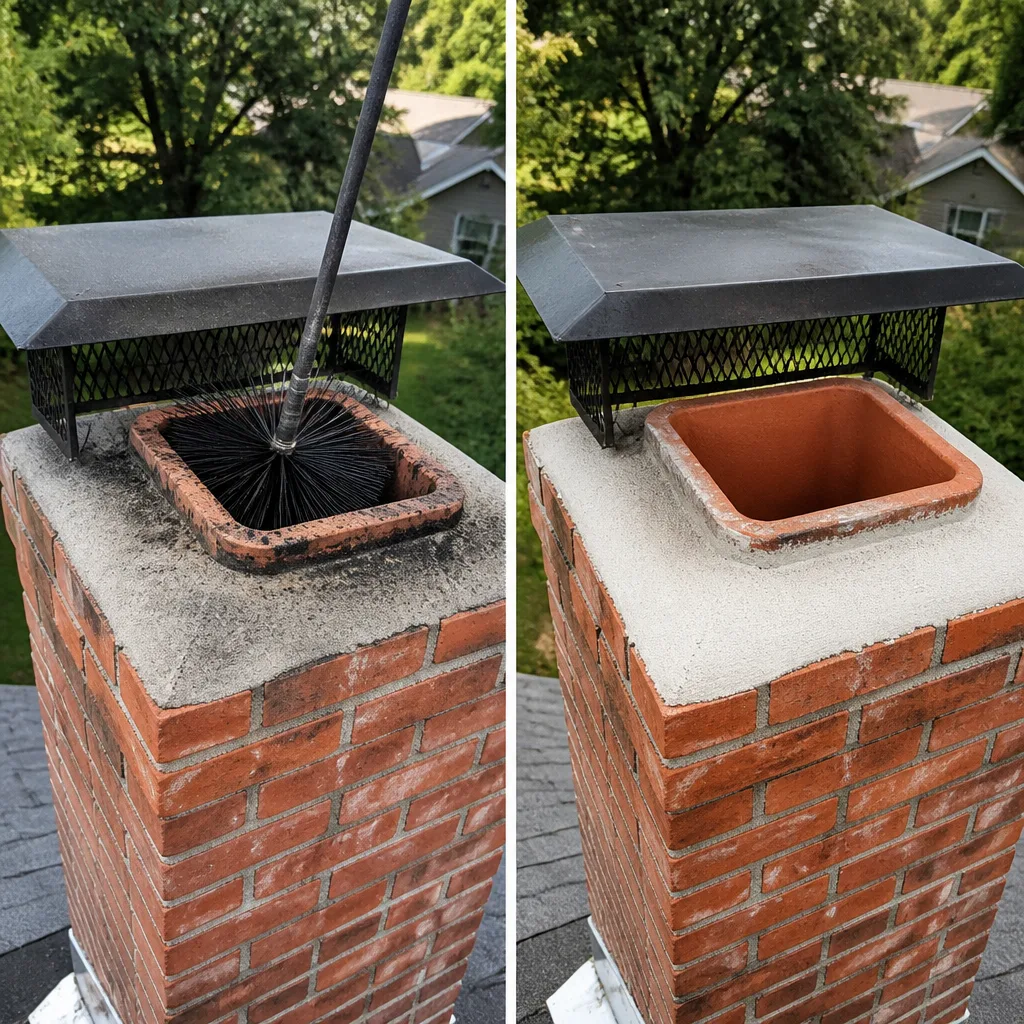 Sweep & inspection
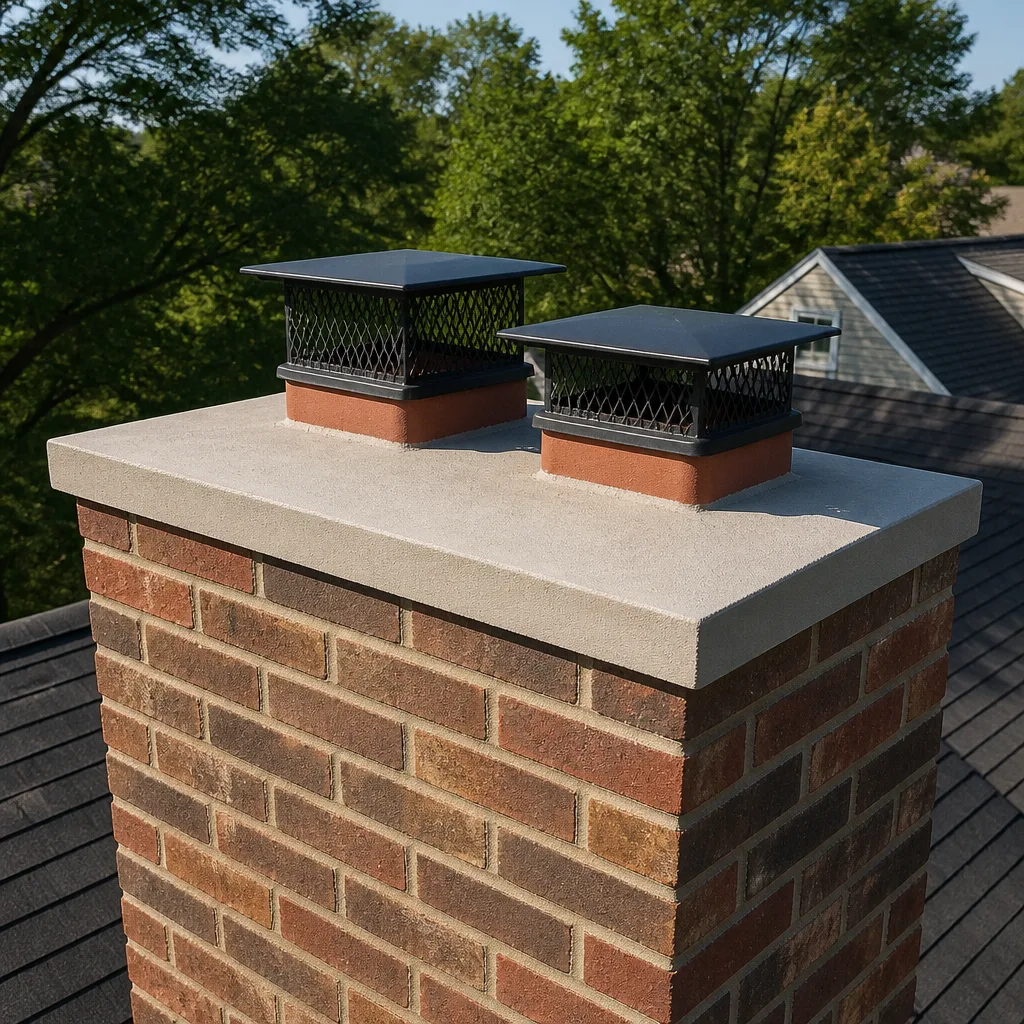 Caps & crowns
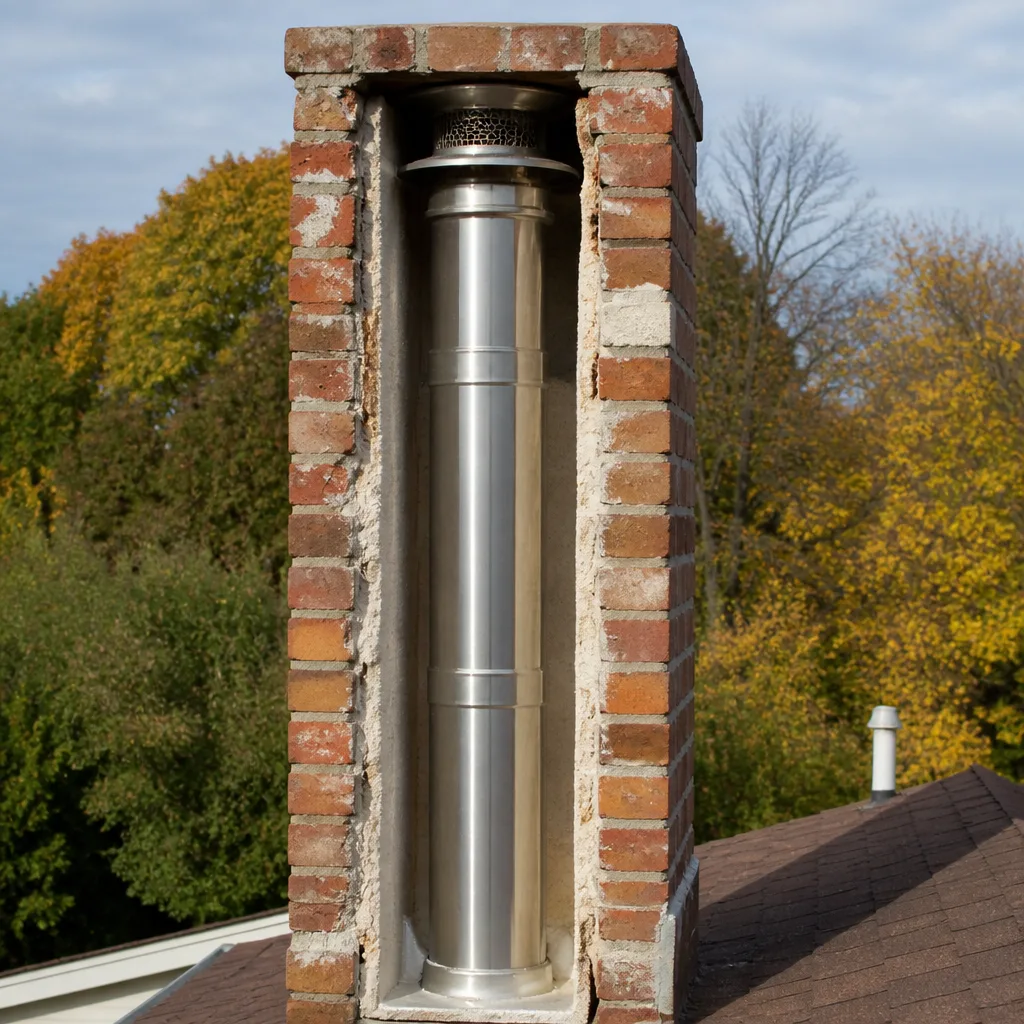 Flue relining
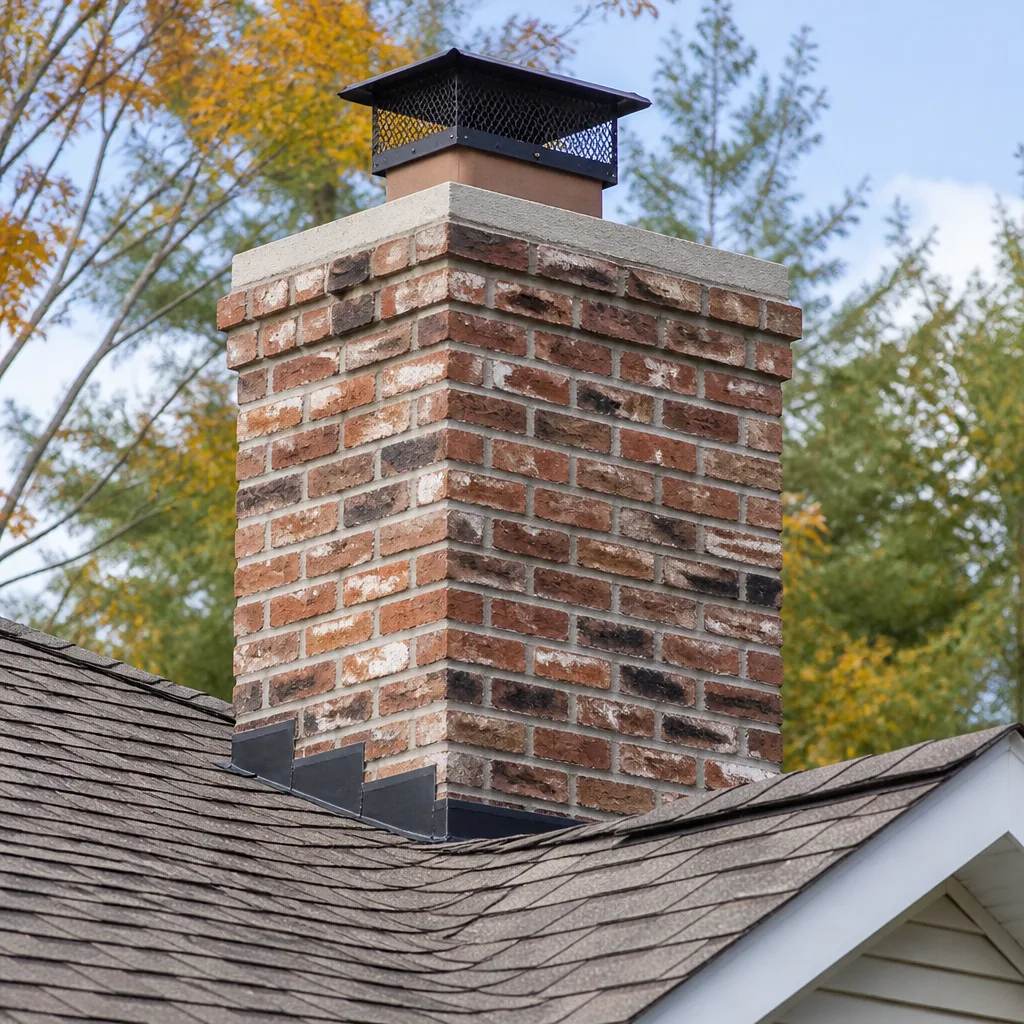 Masonry repair
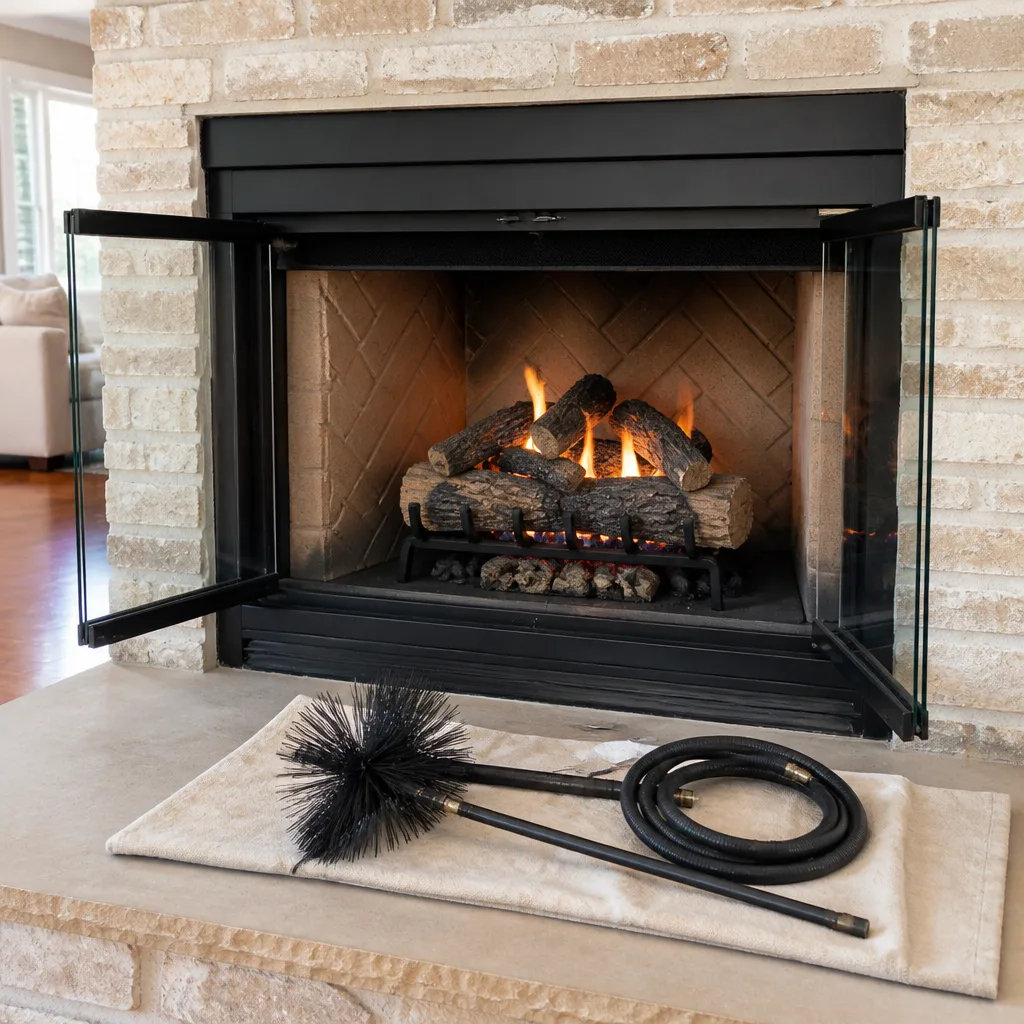 Gas fireplace service
Level 1 sweep and inspection to the NFPA 211 annual standard - flue, crown, cap, and flashing checked and photographed
Chimney sweep logs do not sweep chimneys. They loosen some creosote - which then falls where a brush and vacuum still have to collect it.
The Complete Guide to Chimney Cleaning in Pompano Beach
Most Pompano Beach homeowners assume their chimney is low-maintenance because they rarely light a fire. That assumption is the problem. A chimney that sits idle through a humid off-season, with only an occasional fire on a cool evening, holds moisture and creosote in ways a heavily used chimney doesn’t. The result is hidden damage that stays quiet until it doesn’t. This guide maps the whole Pompano Beach chimney lifecycle, from how our subtropical humidity and salt-laden air attack masonry to what a proper cleaning actually uncovers. You’ll learn what a real sweep involves, when a chimney needs relining or resurfacing, and how to tell a genuine inspection from a quick brush-and-go visit.
Quick Answer
Chimney cleaning in Pompano Beach involves far more than sweeping out soot. Because local fireplaces see irregular use and the air stays humid much of the year, a proper cleaning includes a creosote and structural assessment, a check for moisture-driven biological growth inside the flue, and inspection of the liner, cap, flashing seal and damper. Against that local reality, a chimney should be swept and checked once a year, whether or not you burned much. The sweep is cheap; the damage it catches early is not.
Styles & brands we work with
- Sweep & inspection
- Caps & crowns
- Flue relining
- Masonry repair
- Gas fireplace service
Table of Contents
- How chimney cleaning works in Pompano Beach
- Why a rarely used chimney still needs cleaning
- Creosote stages and what the sweep actually finds
- What a full-service cleaning should document
- Biological growth inside the flue in south Florida
- Relining, resurfacing and repair: which you need
- When to call a professional
- Frequently asked questions
How chimney cleaning works in Pompano Beach
A proper chimney cleaning in Pompano Beach is a two-part job: mechanical sweeping to remove soot and creosote, then a documented inspection of everything the sweep exposes. A brush-only visit skips the second half, and the inspection is where most of the value lives. Here is what a competent cleaning looks like from start to finish:
- Cover the work area. Drop cloths and a sealed work zone keep soot out of the room. This should happen before any brush touches the flue.
- Check the firebox and damper. The sweep looks for soot buildup, cracked firebox panels, and whether the damper opens and closes cleanly.
- Sweep the flue with the right brush. Flexible rods and a properly sized rotary brush clear the flue walls without scarring the liner surface.
- Assess creosote. The technician determines the creosote stage, because stage 3 glazed creosote behaves very differently from a light dusting of stage 1.
- Inspect the liner, cap and flashing. Views from the top and from the firebox side together catch cracks a single vantage point misses.
- Document what was found. A written report with photos lets you see the condition of your own chimney rather than take anyone’s word for it.
- Give you a written estimate if anything needs repair. Anything beyond a sweep is quoted before any work begins.
The sequence matters because the findings drive everything. If a technician sweeps and leaves without telling you the cap screen is rusting through or the flashing seal has pulled loose, you got half a service.
Why a rarely used chimney still needs cleaning
Pompano Beach has humid air much of the year, and that changes the risk profile for an idle chimney. In cold climates, the damage cycle depends on freeze-thaw. Here it depends on moisture that never fully leaves. Brick and mortar are porous, and when warm, humid air moves through a chimney that’s not being fired, condensation settles inside the flue and in the masonry joints. That moisture sits there for weeks. It softens mortar, feeds organic growth, and makes the entire stack deteriorate from the inside out.
Salt-laden air accelerates the same process. The airborne salt moves through your neighborhood, deposits on the masonry and the cap, and works into the surface where it draws more moisture. That combination is why we regularly find mortar erosion and rusted caps on chimneys in Pompano Beach that its owners describe as “barely used.” The rear-facing and top surfaces break down first because they see the most moisture and air.
Fire use, meanwhile, happens in short bursts. A few burns in cooler weather, then months of silence. That pattern delivers two problems. Small amounts of creosote settle in the flue and sit unchanged through the damp season, and the chimney never gets the steady drying effect of regular fires. The corner of a Pompano Beach home most at risk is the person who lights two fires a year and never thinks about the chimney again.
If your fireplace sees limited use, an annual sweep and inspection is the baseline. Call chimney sweep work in once a year and the rest of this guide becomes preventive rather than urgent.
Creosote stages and what the sweep actually finds
Creosote is the residue that forms when smoke cools on its way up the flue. How bad it is depends on how hot your fires burn and how the chimney behaves. A quick pass with a brush doesn’t tell you the creosote stage, and the stage determines what’s required. Here are the three stages a real inspection identifies:
- Stage 1: soot and light flaky deposit. This is normal after light use and sweeps away cleanly with a standard brush. It’s the good outcome.
- Stage 2: hard, crusted creosote. It clings to the flue walls and takes more effort to remove. Left alone, it thickens each season.
- Stage 3: glazed, tar-like creosote. This is the dangerous stage. It’s oily, hard to remove, and ignites readily. A glazed flue is a fire waiting for a reason.
Understanding the difference between a sweep that removes soot and a cleaning that actually identifies creosote stage is the core of this craft. A brush removes the loose layer and may leave glazing behind if the technician doesn’t check for it. When stage 3 is present on a liner, the options narrow: aggressive mechanical cleaning or relining. This is why our technicians treat the creosote assessment as the central finding of the visit, not an afterthought.
The local climate shapes how creosote builds. Because many a Pompano Beach chimney sees short, cool fires rather than long, hot ones, smoke lingers in the flue and cools where it coats the walls. Cool, slow fires are actually a root cause of harder creosote, not a benefit. If you’ve noticed your flue building a heavier deposit each year, that’s a sign worth checking before it reaches glazing.
What a full-service cleaning should document
A cleaning that doesn’t document the condition of four key components leaves you guessing. In our experience, these four are what separate a real inspection from a quick sweep:
- Liner condition. Cracks, gaps, spalling and disconnected joints are the single most important finding. A compromised liner lets combustion byproducts into the structure of your home.
- Cap integrity. A rusted or missing screen and a cracked crown let water and pests into the flue. Here the cap takes constant abuse from warm, humid air, and caps fail faster than the chimney itself.
- Flashing seal. Flashing is the metal that seals the joint between the chimney and the roofline. When it pulls loose or the sealant fails, water finds the path of least resistance straight down.
- Damper function. A damper that doesn’t close fully lets conditioned air escape and lets humid air and pests enter. A damper that doesn’t open fully can back up smoke and carbon monoxide into the room.
Naming these components in a written report, with photos, means you can verify the findings yourself. That alone answers the most common hesitation in this trade: being told you need expensive liner or masonry work with no way to check it. We don’t recommend anything you can’t see in the documentation, and we’ll tell you plainly when something can safely wait until next season. We use products from established suppliers such as Gelco for caps and Copperfield components for the parts of a chimney that take the most wear. The cap and the crown are exactly where the Pompano Beach climate is hardest on a chimney.
If anything turns up that needs repair, we’re able to quote and address it in the same relationship, which is one of the practical reasons to work with a full-service Stratford Chimney Sweep rather than a cleaning-only operation.
Biological growth inside the flue in south Florida
Most chimney maintenance guides are written for cold climates. They talk about frost and freeze-thaw and never mention what humid air does inside an idle flue. In Pompano Beach, the off-season creates conditions cold-climate guides skip entirely. A warm, damp, dark flue with no fire burning in it is close to a greenhouse. Mold, mildew and even moss can take hold on the inner surfaces of the liner.
This matters for two reasons. First, mold growth inside the flue means there’s a source of moisture you may not have noticed, often a failing cap, a cracked crown or a gap in the flashing. The growth is the symptom, and the moisture source is the cause. A sweep that identifies the biological growth but never asks where the water is coming from leaves the problem in place.
Second, growth on the flue walls clings to soot and creosote and can create a rougher surface that collects more deposit next season. The routine annual visit, done properly, breaks the cycle. A standard brush-and-go cleaning often leaves the growth undisturbed.
We check for biological growth on every cleaning and, when we find it, we trace it to the moisture source. That’s a distinctly local piece of know-how – the kind of thing a homeowner in Pompano Beach needs from a chimney professional and rarely gets from a guide written for a colder part of the country.
Relining, resurfacing and repair: which you need
When an inspection finds damage, “fix the chimney” splits into three distinct repair paths. Which one you need depends on what’s actually wrong, and the difference in cost and disruption is real. Here are the paths we work with, in order from least to most invasive:
- Surface resurfacing. When the inside of a clay flue is pitted or cracking but still sound, a resurfacing system like HeatShield restores a smooth, sealed surface without tearing out the old liner. This is often the least disruptive repair and the one most cleaning-only companies can’t offer.
- Flexible relining. When the original liner is cracked, disconnected or too deteriorated to resurface, a new flexible liner such as DuraFlex is installed inside it. This restores a continuous flue surface and is done in-house rather than subcontracted.
- Component repair. Caps, crowns, flashing and dampers are replaced when the inspection shows they’ve failed. These are the entry points for moisture and pests, and repairing them early is the cheapest way to protect the rest.
Understanding which of these you actually need is the difference between a scoped repair and an oversized one. A cracked flue surface doesn’t always mean a full liner replacement, and we’ll tell you when resurfacing is enough. A full liner isn’t always avoidable either, and we’ll tell you that too. What we won’t do is recommend a tear-out that the inspection doesn’t support.
The safety layer underneath all of this is the reason the repair matters. An intact flue keeps carbon monoxide and combustion gases going up and out of your home. When the liner is compromised, those gases can move into the structure. This is the core reason the cleaning and the repair have to be handled together. If we find something during a sweep, we quote it, and the same team carries out the repair.
How the sweep cycle differs from what you may have read
Cold-climate advice tells you to sweep once a year and “before the season.” That general rule works, but in Pompano Beach it means something different. The reason to book your annual sweep is not the first cold night. It’s the transition out of the humid season. Getting the flue inspected before humidity settles in for months gives you a clean, dry chimney going into the off-season rather than a dirty, damp one.
The pace of deterioration here is also seasonal rather than temperature-driven. Chimneys aren’t being punished by repeated freeze-thaw cycles. They’re being worn down slowly by moisture, salt and irregular use. That means damage tends to be caught by a diligent home inspector or a yearly sweep, not by a dramatic event. The annual visit is what catches the slow-moving problems before they become structural.
If you’re new to the area, or the property you bought came with a fireplace you’ve never had checked, book a sweep in the shoulder season. That’s also a sensible time to schedule a dryer vent cleaning while the chimney is being inspected, since both are combustion-ventilation safety checks on the same home.
When to call a professional
Some problems announce themselves; most don’t. Here’s when to call rather than wait for a reason to. You’ve just moved into a Pompano Beach home with a fireplace and have no record of the last cleaning. Your chimney smells smoky when the fire is out, or smells damp on a humid day. You’ve noticed white staining on the outside of the chimney or rust on the cap. Your fires draw weakly or smoke backs into the room. You’ve had a chimney fire, even a small one, or you’ve never had the flue inspected. Or simply a year has passed since the last sweep, which for most homes in this climate is long enough.
Any of these means it’s time for an inspection with written findings. Stratford Chimney Sweep offers free estimates in Pompano Beach; call (866) 361-5813 to book a sweep and get a written report of what the inspection turns up. We answer 24/7. Fast dispatch from 7am to 7pm, Sunday through Friday.
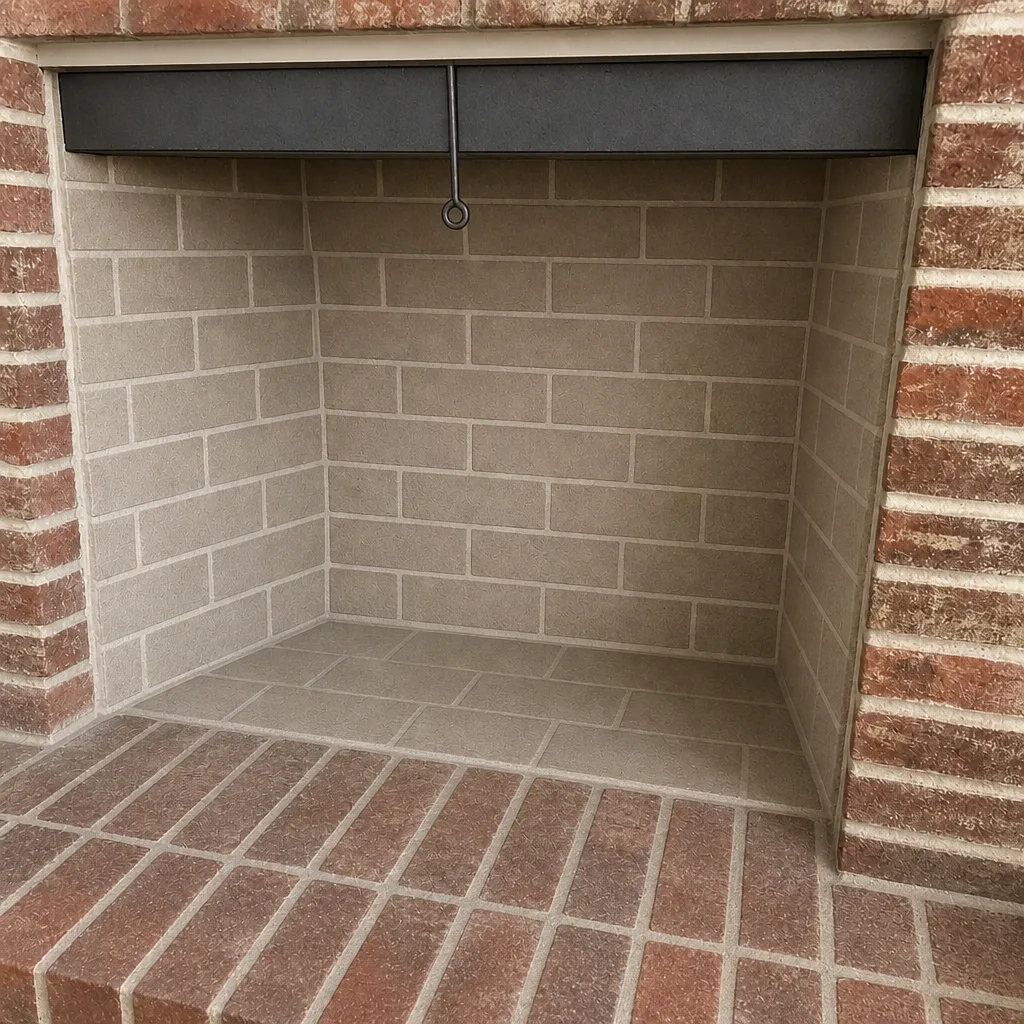
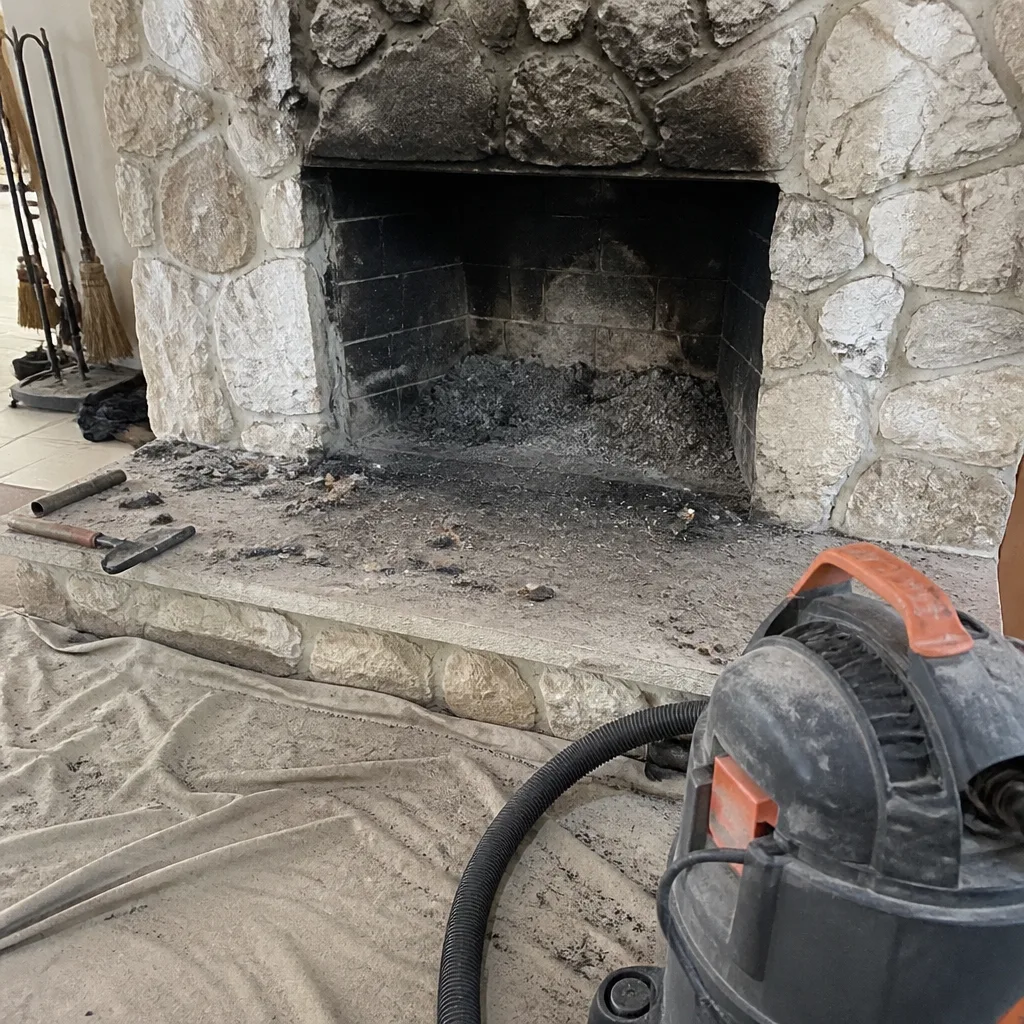
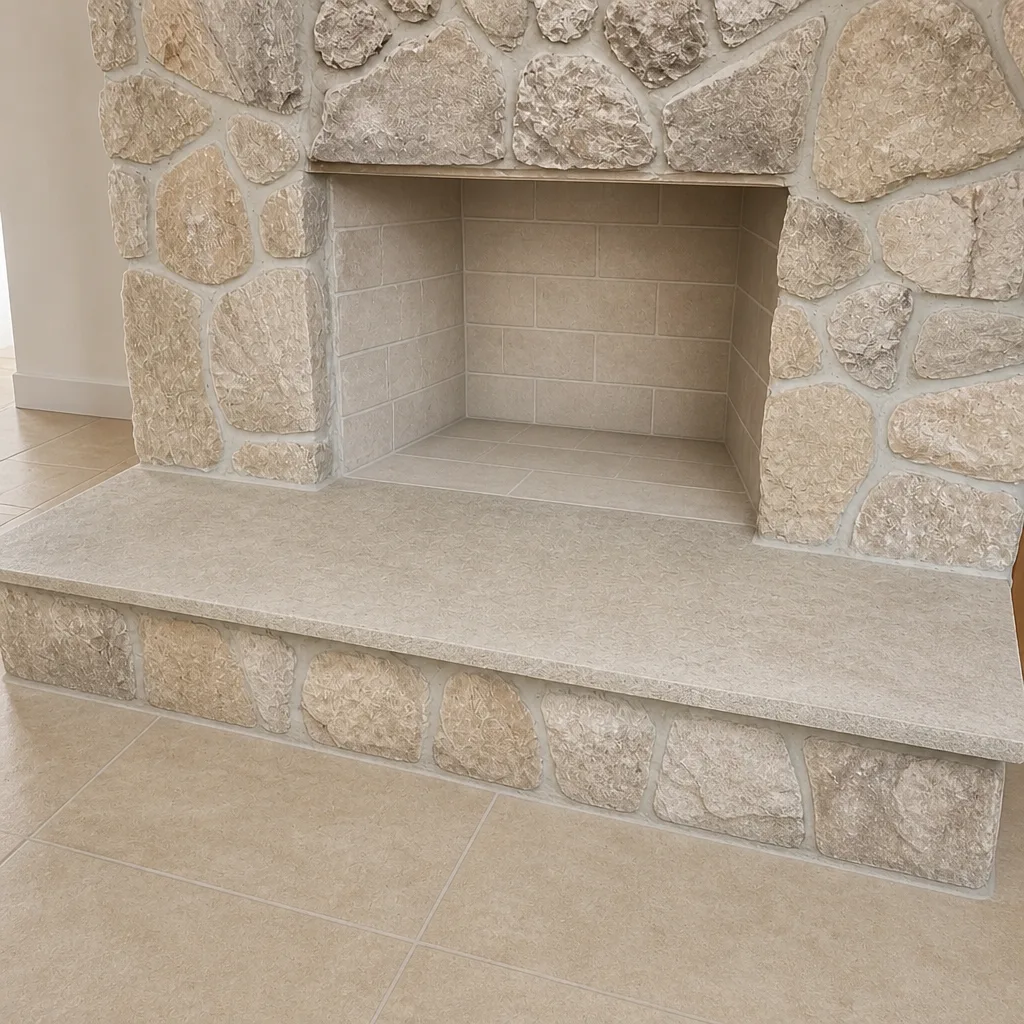
See the difference
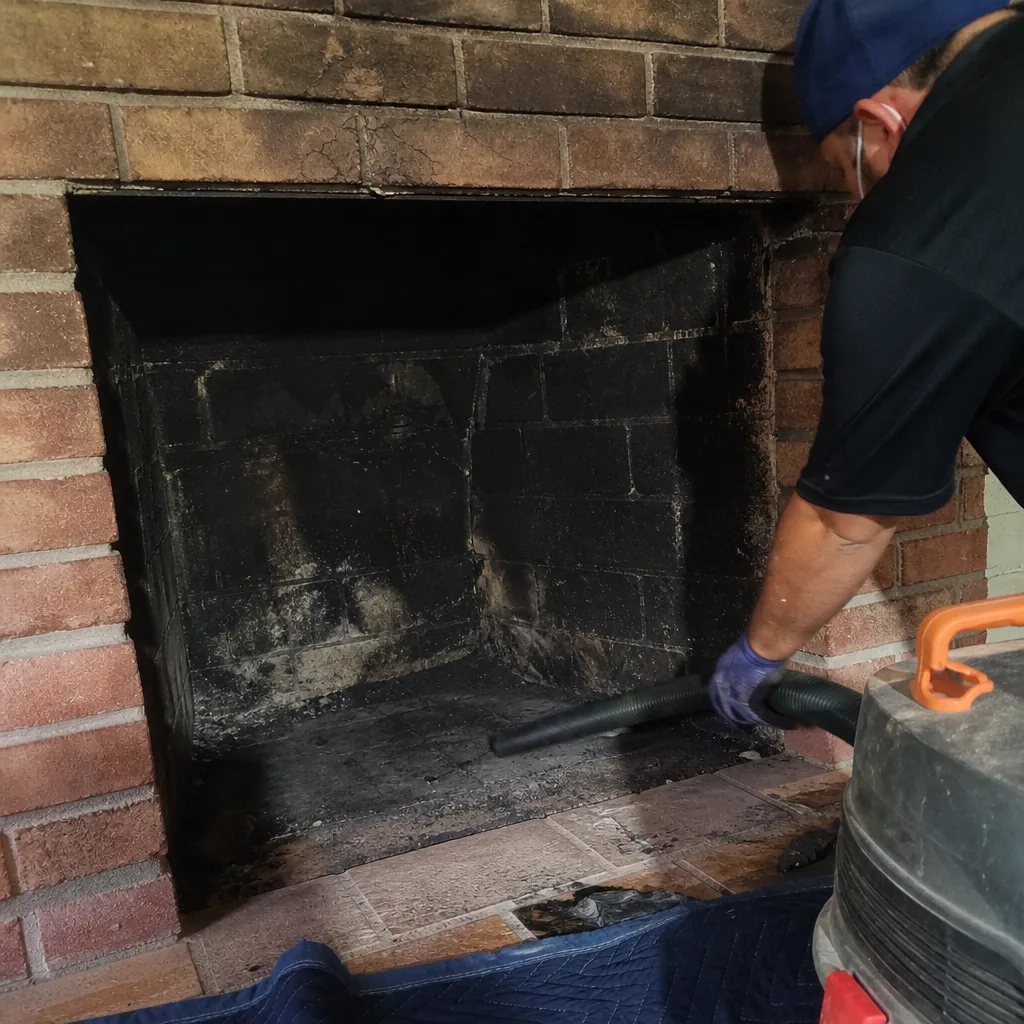 Before
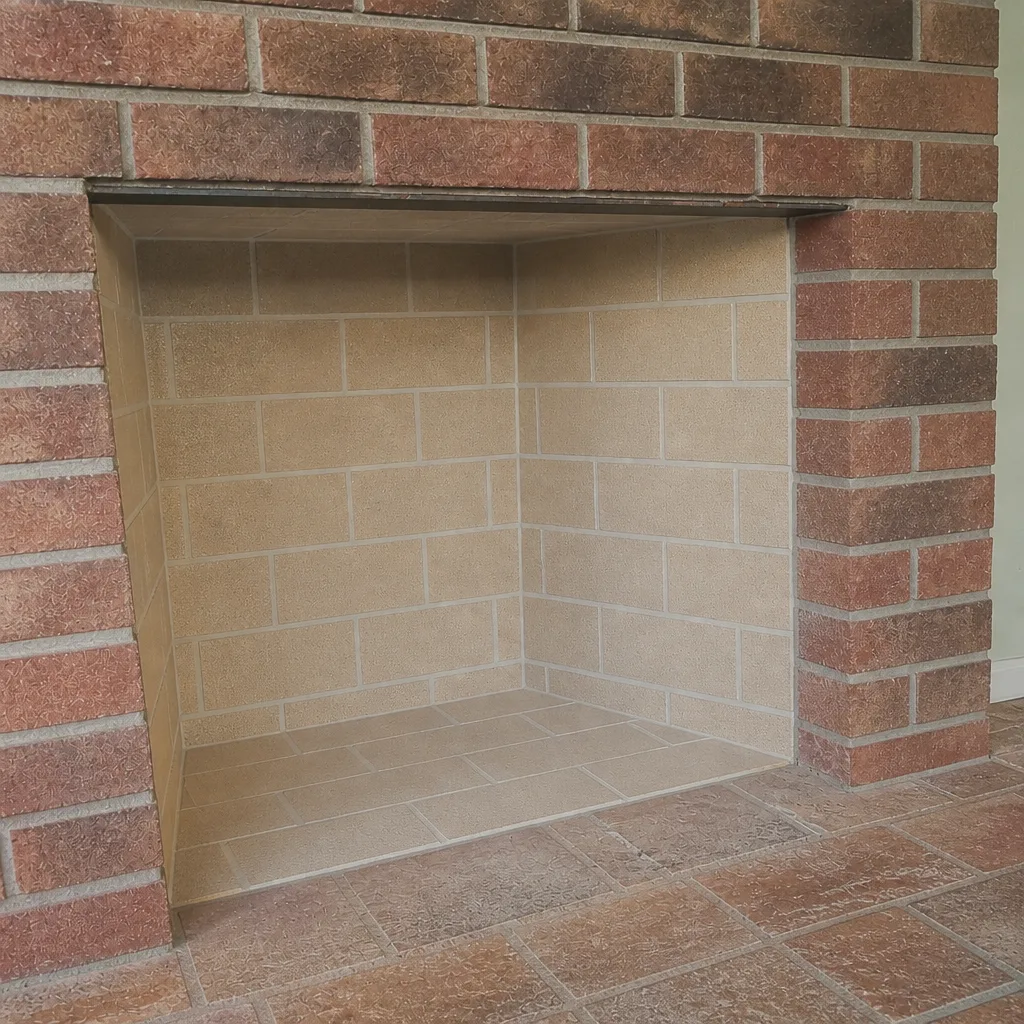 After
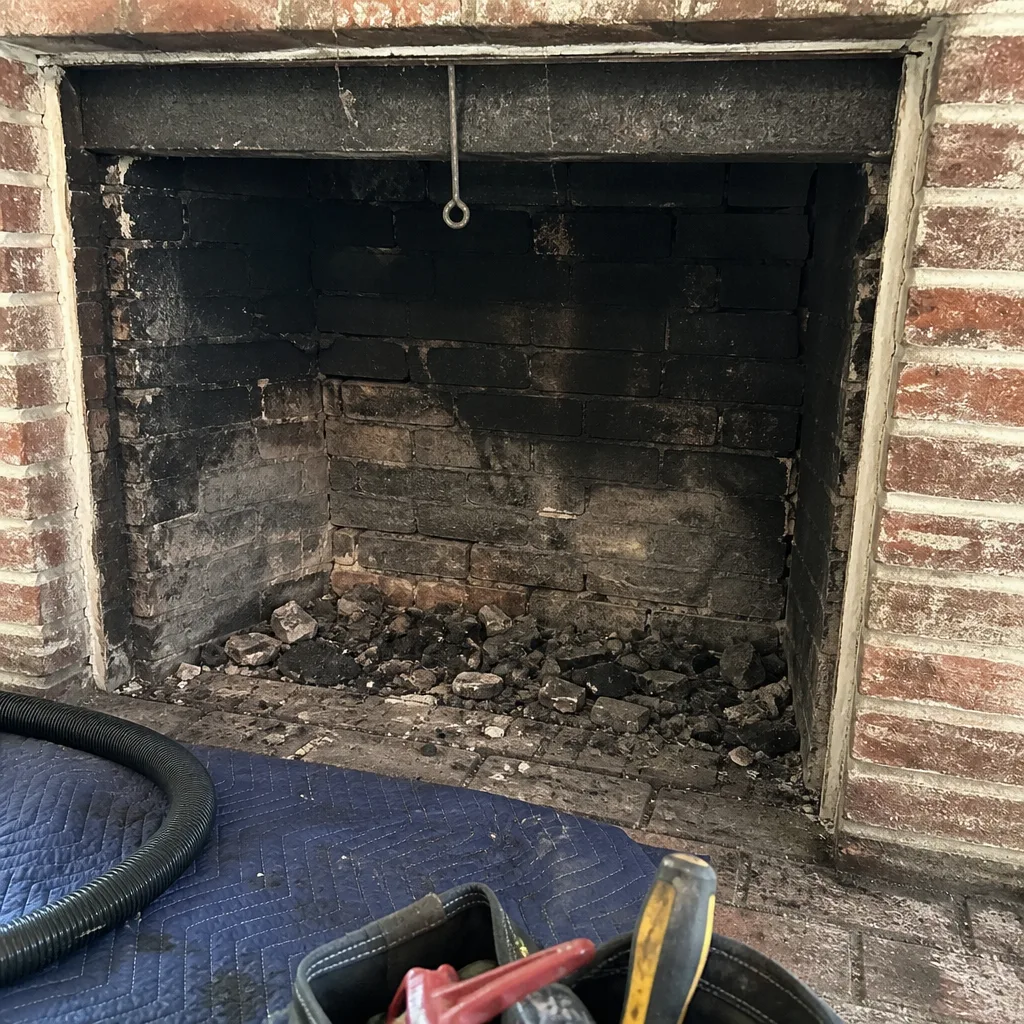 Before
 After
 Before
 After
Common Mistakes to Avoid
- Skipping the annual sweep because you barely burn. Light use plus humid air is the most common combination behind hidden damage here. The chimney that sits idle is the one that surprises its owner.
- Settling for a brush-and-go sweep. A sweep that doesn’t assess creosote stage, liner condition and the cap hasn’t really been done. You need findings, not just a clean flue wall.
- Ignoring a cap that’s rusted or missing a screen. In this climate the cap takes the wear, and a failed cap is a direct door for water and pests. It’s one of the cheapest fixes with the most benefit.
- Treating smoke smell or weak draw as a habit instead of a signal. A chimney that “draws fine” in warm weather can still be a fire or carbon monoxide risk. Smell and draw are clues, not a verdict.
- Assuming the liner is fine because the firebox looks clean. The critical damage usually lives inside the flue, where you can’t see it. That’s exactly why the inspection matters.
- Hiring a cleaning-only crew for a chimney with known damage. When the sweep finds a problem, having the same company quote and carry out the repair avoids a second-contractor handoff and the markups that come with it.
- Letting mold or moss inside the flue get cleaned without tracing the moisture. The growth is a symptom. If the water source (cap, crown or flashing) isn’t fixed, it comes back before next season.
Frequently Asked Questions
A chimney cleaning in Pompano Beach is priced per job by a written estimate, so the sweep, the inspection and any repair are quoted before work begins. The important part isn’t the sweep price but whether the visit includes the creosote and structural assessment. Call (866) 361-5813 for an exact quote; estimates are free.
Not always. A new flexible liner is only one repair path, and a cracked clay flue can sometimes be restored with a resurfacing system instead of a tear-out. Which path you need depends on what the inspection actually finds inside the flue. We don’t recommend a liner unless the findings support it, and we’ll tell you when resurfacing is enough. Call (866) 361-5813 to get an honest read on your chimney; estimates are free.
Once a year is the right baseline for most Pompano Beach homes, whether or not you burn regularly. Here the annual visit functions as much as a moisture and structural check as a soot removal. An idle chimney in this humid climate can develop problems a used one won’t. Call (866) 361-5813 to book your sweep.
Skipped sweeps let creosote build toward the glazed stage while moisture quietly erodes mortar and feeds biological growth inside the flue. The risk that matters is chimney fire and carbon monoxide, and both can develop from damage you’d never notice from the firebox. Not going up the flue every year is how a small issue becomes a structural one. Call (866) 361-5813 to get your chimney checked; estimates are free.
A damp smell usually points to moisture getting into the flue from a failed cap, a cracked crown or a flashing seal, and in this humid climate that’s a real problem rather than an odor to live with. Damp masonry and growth inside the flue are early warnings that deserve a look. Call (866) 361-5813 to schedule an inspection; estimates are free.
We can quote the repair from the findings of the sweep and handle it in the same relationship, so you’re not vetting a second contractor for liner or resurfacing work. The written estimate sets the price before any repair begins. Call (866) 361-5813 to get started; estimates are free. A call outside dispatch hours is booked into the next opening, Sunday through Friday, 7am to 7pm.
The Bottom Line
Chimney cleaning in Pompano Beach isn’t a scaled-down version of cold-climate maintenance. The humid air, the salt, and the irregular firing pattern here create a distinct set of problems that a generic guide won’t address. Rarely used chimneys still need an annual sweep and inspection. Creosote stage and liner condition are what count, not a clean-looking firebox. Biological growth inside an idle flue is a moisture symptom worth tracing. And the cap, crown and flashing are where this climate does the most damage.
Get the annual sweep, insist on documented findings you can see for yourself, and let the repair follow the evidence rather than a sales pitch. When the time comes to deal with the findings from the inspection, call Stratford Chimney Sweep at (866) 361-5813 for a free estimate, and we can also note service in the wider Pompano Beach area. Call (866) 361-5813. We answer 24/7. Fast dispatch from 7am to 7pm, Sunday through Friday.
Written by the team at Stratford Chimney Sweep.