
Last updated November 14, 2026
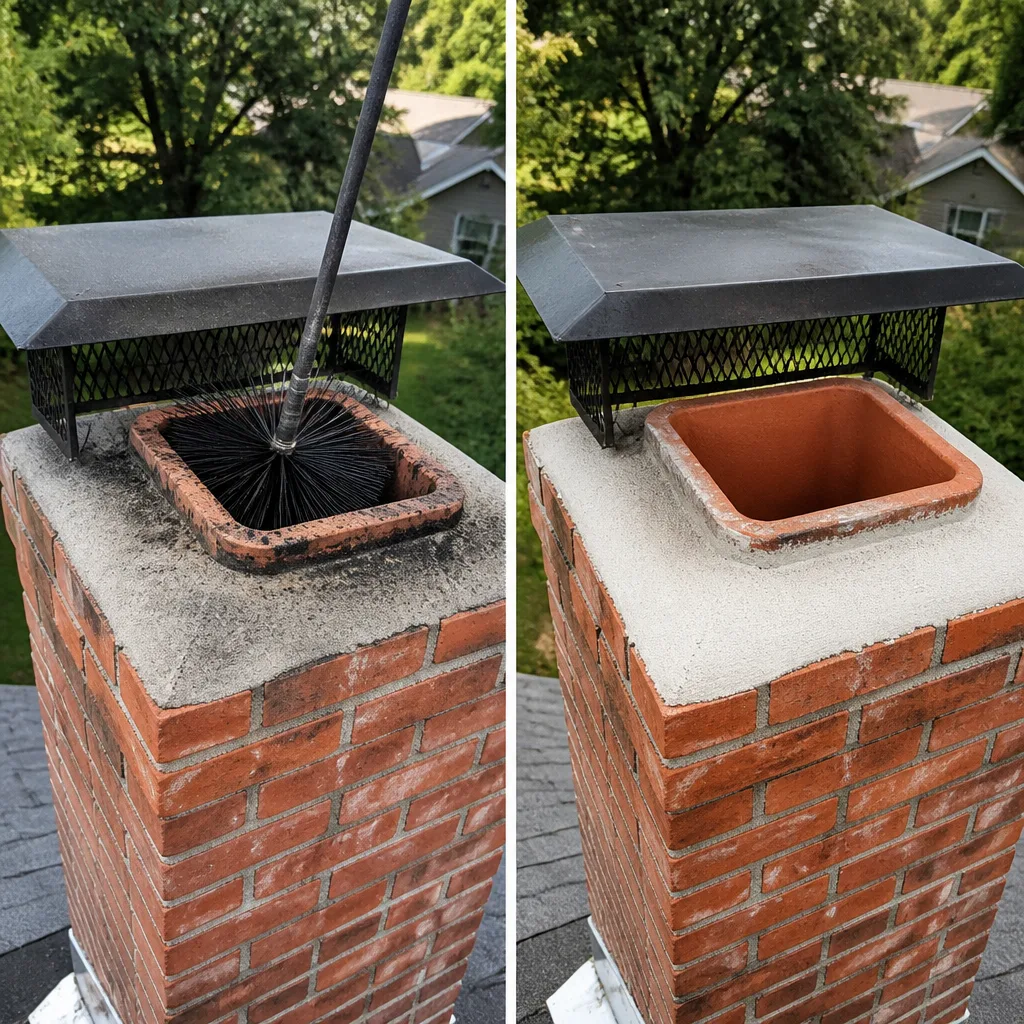 Sweep & inspection
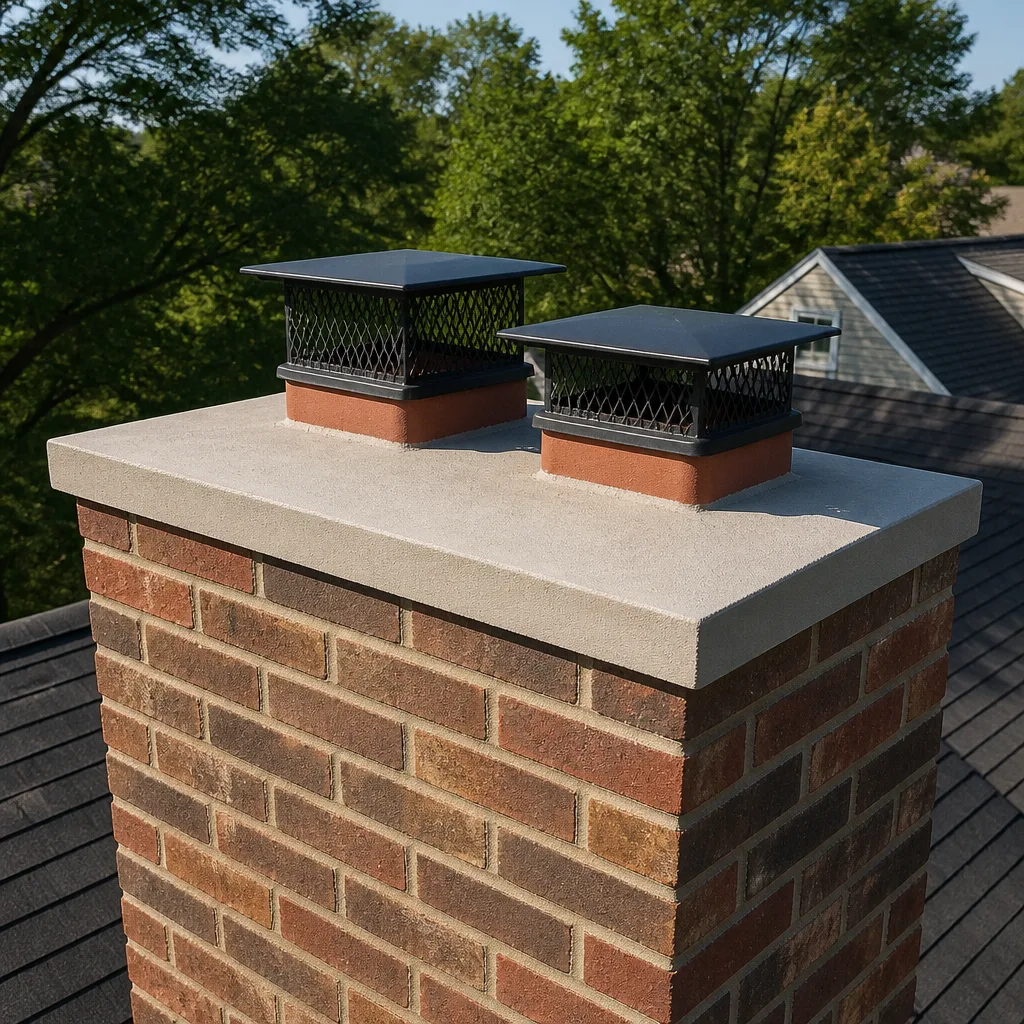 Caps & crowns
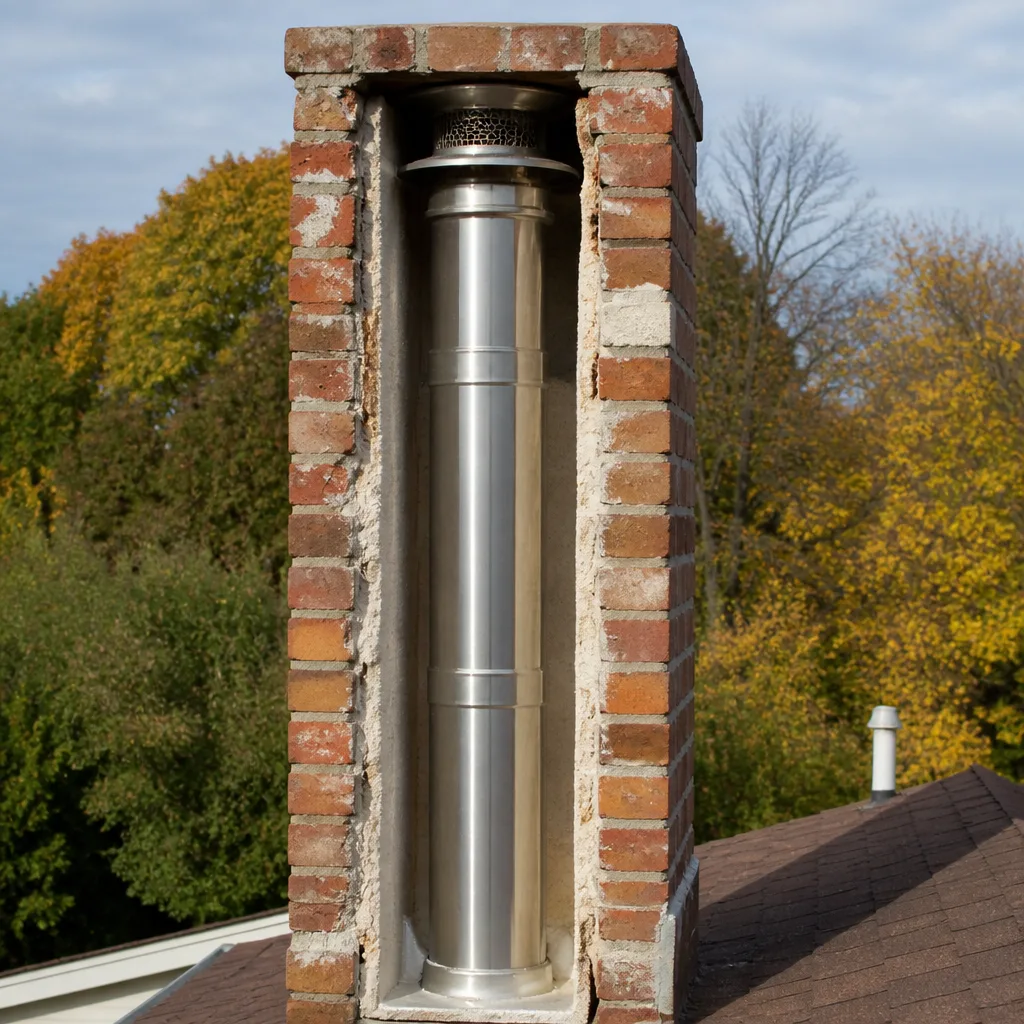 Flue relining
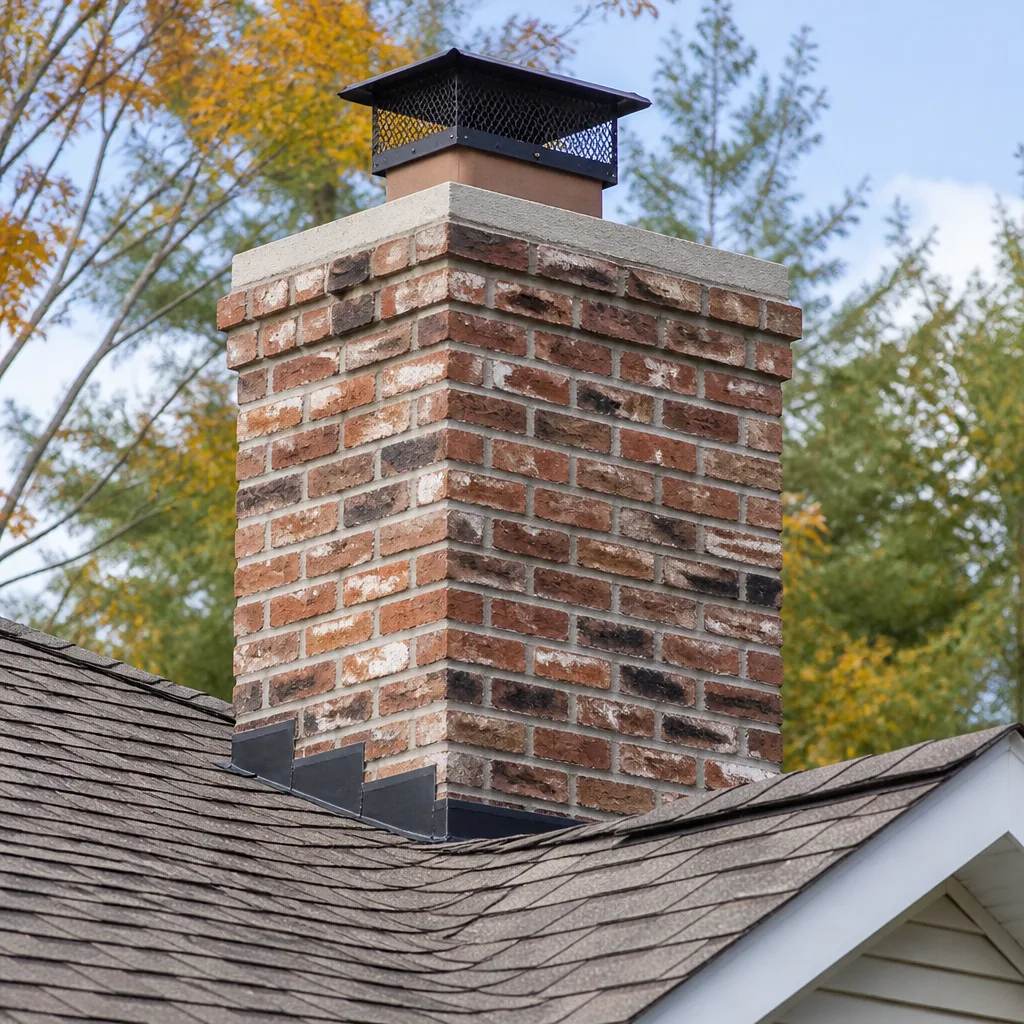 Masonry repair
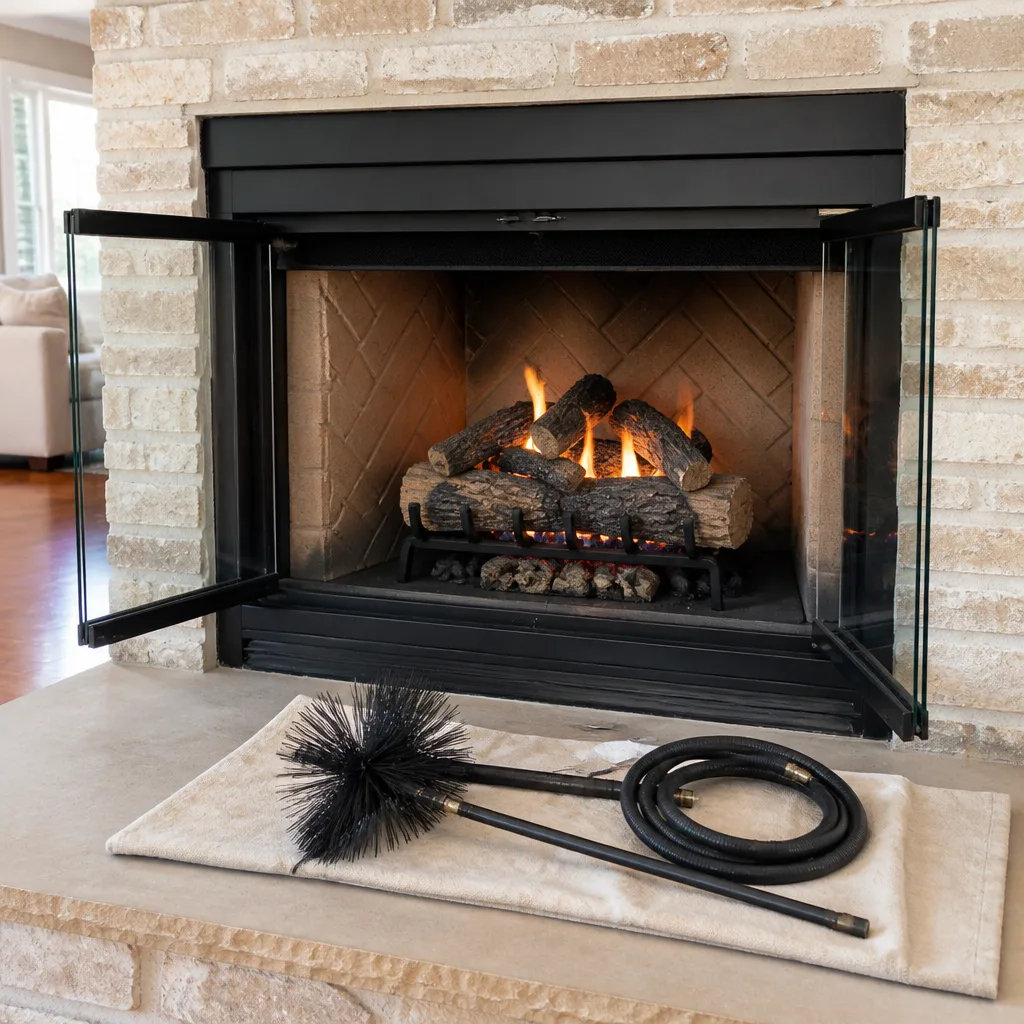 Gas fireplace service
Level 1 sweep and inspection to the NFPA 211 annual standard - flue, crown, cap, and flashing checked and photographed
Chimney sweep logs do not sweep chimneys. They loosen some creosote - which then falls where a brush and vacuum still have to collect it.
Seasonal Chimney Cleaning Care for Pompano Beach: Year-Round Homeowner’s Guide
Most chimney advice you’ll find online was written for places with hard winters, and it tells you to schedule a cleaning in October before the cold arrives. In Pompano Beach, that timing is backwards. October lands in the middle of our wet season, which means you’d be sweeping a flue right before months of humidity, rain, and slow biological growth settle back into it. This guide explains why the smart window here comes after the rainy season and before the fireplace gets used, what our humid summers actually do to an unused chimney, and how to adjust the calendar for a wood-burning fireplace versus a gas set. You’ll finish with a maintenance schedule that fits South Florida instead of New England.
Styles & brands we work with
- Sweep & inspection
- Caps & crowns
- Flue relining
- Masonry repair
- Gas fireplace service
Quick Answer
For most Pompano Beach homes, the best time to have a chimney swept is late summer to early fall, once the rainy season is winding down and before the fireplace comes back into use for the brief cooler months. The cleaning should be paired with a camera inspection and a cap and flashing check so the wet season’s damage gets caught before it spreads. A second, lighter look at draft, cap, and exterior masonry in spring closes the loop after the firing season ends.
Table of Contents
- Why the Standard “Clean Before Winter” Advice Doesn’t Fit Pompano Beach
- The South Florida Chimney Calendar: Two Seasons, Not Four
- The Late Summer and Early Fall Cleaning Window
- What the Rainy Season Does to an Unused Chimney
- Spring Tasks After the Firing Season
- Hurricane Prep for Your Chimney System
- Adjusting the Schedule for Wood, Gas, and Decorative Chimneys
- Common Mistakes to Avoid
- When to Call a Professional
- Frequently Asked Questions
- The Bottom Line
Why the Standard “Clean Before Winter” Advice Doesn’t Fit Pompano Beach
If you search for chimney cleaning advice, nearly every result tells you to book a sweep in autumn. That works in Ohio or upstate New York, where the chimney runs hard all winter and the spring thaw marks a natural endpoint. In Pompano Beach, the logic doesn’t hold. When your fireplace gets light use across a short cool stretch, the heaviest wear on the flue happens during the months it isn’t burning at all, while the wet season pushes humidity through the system for weeks at a time.
Cleaning in October here means you sweep, then immediately expose the flue to more moisture, more spore growth, and more time sitting idle. Cleaning in late summer, after the heaviest rains have passed but before the first fire of the season, means the chimney sits clean and dry through the fires. The sequence matters as much as the task.
Fireplaces near the water in Pompano Beach, from Harbor Village out to Palm Aire, tend to see the same pattern: dry-laid creosote in the flue from the last season’s fires, plus mineral staining and small spalling on the crown from the wet months in between. A sweep timed for October removes the creosote but ignores the crown damage until the next round of rain. A sweep timed for August or September catches both at the right moment.
There’s another piece most checklists skip. Our brief firing season runs roughly from a cool snap in December through early March. That’s three, maybe four months of moderate use. The other eight months are the ones a chimney sits unattended in high humidity. Any maintenance plan for Pompano Beach has to give those eight months their own checkpoints, separate from the cleaning day itself. That’s the shift this guide makes: not a single autumn appointment, but a calendar with two working seasons, one for each side of the firing window.
The South Florida Chimney Calendar: Two Seasons, Not Four
Think of the year in two halves. The dry season, roughly late fall through early spring, is when your fireplace actually gets used and when you’ll want a clean, dry, inspected flue. The wet season, late spring through summer, is when the chimney sits idle and takes on moisture. Maintenance swings between closing out the firing season in spring and preparing for it at the end of summer.
Here’s how the year breaks down for a typical Pompano Beach home with an active fireplace:
- March to April – close out the firing season. After the last fire of the season, check the cap, test the draft, and get eyes on the exterior masonry before the summer rains arrive.
- May to June – the start of the wet season. Confirm the crown and flashing are tight. This is inspection-only for most homes unless a problem was flagged in spring.
- July to August – the heart of the rainy season. Nothing scheduled in most homes. This is when you watch for leaks and water stains inside the firebox or on the ceiling near the chimney chase.
- August to September – the cleaning window. As the rains taper, book the sweep, the camera inspection, and the full cap and flashing assessment. This is the main annual service.
- October to November – pre-season readiness. Confirm any repairs from the summer inspection are complete, test draft before the first fire, and make sure the damper moves freely.
- December to February – use and monitor. Burn season. Watch for creosote buildup on a wood-burning system, and note any draft problems or smells so you can raise them at the next inspection.
The exact month shifts with the year. Some seasons the rains ease in late August, some in mid-September. The principle is what matters: sweep after the wet season, before the fire season. That’s the sequence the standard internet advice gets wrong for Pompano Beach, and it’s the one change that has the biggest effect on a chimney’s long-term health here.
The Late Summer and Early Fall Cleaning Window
Late August through early October is the best time of year to have your chimney cleaned in Pompano Beach. The rains slow, the humidity drops enough for mortar to dry out, and the sweep happens just before the fireplace comes back into service. You catch the wet season’s damage while there’s still warm, dry weather left to do repair work in.
A full service visit at this point typically covers more than a brush down the flue. What we look for:
- Flue condition. Creosote level on a wood-burning system, and a camera inspection of the flue interior to see cracks or gaps that a brush alone won’t reveal.
- Crown and cap. A cracked crown or a loose cap lets water in all summer. Both get checked and photographed.
- Flashing. The metal seal where the chimney meets the roof is the most common leak path. If it’s lifting or rusted, water follows.
- Firebox and damper. Cracks in the firebox brickwork and a stiff or rusted damper both need attention before the first fire.
- Smoke chamber and shelf. A camera view of the shelf tells us whether soot and debris have collected where the smoke turns.
If the flue interior shows cracked or spalling clay tiles, we can restore it with HeatShield resurfacing rather than jumping straight to a full liner tear-out. For a chimney with a badly damaged or missing liner, we install a DuraFlex flexible liner system, sized to the flue. Both are jobs we can complete before the fire season, which matters because they’re what a both-clean-and-repair service does. A cleaning-only company finds a damaged flue and hands you a referral to someone else.
What the Rainy Season Does to an Unused Chimney
An idle chimney in a Pompano Beach summer takes on water from three directions: the top (through the cap or around a missing cap), the crown (through hairline cracks), and the roof junction (through failed flashing). Once water is inside the chase, it has all summer to do damage in warm, still air.
The result isn’t dramatic. It’s slow. Mortar joints soften and the brick face begins to spall. A firebox left damp grows a thin biological film on the interior surface, which shows up as a musty smell the first time you light a fire in the fall. The damper, sitting closed against a humid chase, seizes. Iron hardware on the cap rusts and the seal loosens further, which lets the next rain in more easily than the last.
The most common sign a homeowner notices before anything else is a damp or musty smell in the firebox, or a faint water stain on the ceiling near the chimney chase. Neither is an emergency on its own, but both say water is getting in, and that’s what accelerates mortar damage through the wet season.
None of that is visible from the living room. It’s why the late-summer inspection is about more than the sweep. A camera view of the flue interior, a close look at the crown and cap, and a photo of the flashing are what turn a wet-season question into an answer. A proper cap makes a real difference through this stretch, and we fit Copperfield caps when the existing one has failed. If water has already found a path in, a sweep in late summer catches it while there’s still time to repair before the fire season begins.
One more thing worth saying: in this climate, an unused chimney isn’t a safe chimney by default. Summer is when problems develop, not when nothing happens. The fireplace sitting quiet from May to September is still working through the wet season.
Spring Tasks After the Firing Season
Spring in Pompano Beach is the closing inspection, not the main cleaning. The purpose is to catch anything that came up during the burn season and to prepare the exterior before the rains begin. Three tasks in particular:
- Draft test. Light a small test fire, or use a smoke test, to check that the flue draws cleanly. A weak draft can mean soot build-up, a partially blocked flue, or a pressure imbalance from a tightly sealed house. On a gas fireplace, a draft test also confirms that combustion gases are going up the flue instead of back into the room.
- Cap inspection. Look at the cap fit, the spark screen, and the rust status. A cap that loosened through the winter is one windstorm away from letting rain into the flue all summer.
- Exterior masonry assessment. Check the crown for new cracks, the mortar joints for missing or soft mortar, and the flashing for lifted edges. Anything found gets repaired before the summer humidity locks the damage in.
The spring inspection is also a good moment to note creosote level for the next cleaning. A wood-burning chimney that ran hard over the brief season can build up a surprising amount in a short time, and that note sets the expectation for how much the late-summer sweep will need to address.
If the spring inspection finds a cracked crown or failed flashing, and it’s an area we can address with resurfacing or a repair, the fix gets scheduled before the wet season. That’s the natural advantage of having both chimney sweep and repair in the same relationship. Nothing waits in a queue while the rains arrive.
Hurricane Prep for Your Chimney System
South Florida’s storm season and the chimney maintenance calendar overlap on purpose. The months when you’d naturally be inspecting your chimney for the wet season are also the months when a tropical system can stress the system from above. The good news: most chimney storm damage is preventable with a few checks, and most post-storm problems are visible if you know where to look.
Before a storm:
- Confirm the cap is secure. A cap that’s lifted or rusted at the fastenings can come loose in high wind. Check the lag bolts and the spark screen. A cap we fitted in Copperfield components is held to spec; a cap that’s been on the chimney for years is worth a look.
- Look at the flashing. Lifted edges and cracked sealant let wind-driven rain in. That damage runs down the chase and shows up as a ceiling stain well after the storm.
- Clear the area around the chimney. Loose branches and debris near the chimney chase can become impact damage. Trim anything overhanging.
- Close the damper. A closed damper keeps wind-driven rain out of the firebox.
After a storm:
- Look at the cap from the ground for a tilted cap or missing spark screen.
- Look for water stains on the ceiling near the chimney chase, and water pooling in the firebox.
- Check the crown and the top course of brick for displaced or cracked units.
- Smell the firebox for damp. A musty smell after a storm means water got in.
If the cap is damaged or the flashing has moved, that’s a repair call, not a cleaning call. We handle both. A storm-damaged cap left as-is opens the flue to the entire wet season that follows.
Adjusting the Schedule for Wood, Gas, and Decorative Chimneys
Not every chimney in Pompano Beach does the same job. A wood-burning fireplace builds real creosote through the firing season. A gas fireplace runs cleaner but still needs a vented flue that’s clear and intact. A purely decorative chimney – a firebox with a damper that’s never used – still has a flue that can fail with age and take on water through the wet season. The calendar adjusts to what the chimney actually does.
Wood-burning fireplaces. These get the full annual service every year: a sweep to clear creosote, a camera inspection of the flue, and a cap and flashing check. The late-summer window is the priority. If you burn regularly through the brief season, an extra spring look at creosote level is worth it. A wood-burning flue that’s used consistently should be cleaned at the annual mark regardless of how few months the fires run.
Gas fireplaces. Gas units build no creosote, but they still need an annual flue and vent check. The priority is the flue staying clear, the venting staying sealed, and the draft working so combustion gases go up. The camera inspection in late summer confirms the flue interior is intact and the cap is in place. Gas fireplaces are where a both-clean-and-inspect service earns its keep, because the problem a homeowner can’t see is the one that matters most.
Decorative-only chimneys. A chimney that’s never used still needs eyes on it once a year. A decorative flue can have cracked clay tiles and no homeowner would know. Water through a failed cap or crown does the same damage to a decorative chimney as an active one. The sweep may be light, but the inspection is not optional. For an unused chimney with a damaged flue interior, HeatShield resurfacing is often the right repair, restoring the flue surface without tearing out a liner that was never in use.
The shared rule across all three types: what you can’t see matters more than what you can. Fire, moisture, and structural failure all start somewhere inside the chase, and none of them announce themselves until the repair is expensive.
Common Mistakes to Avoid
- Sweeping in October because everyone else does. In Pompano Beach, October lands in the wet season. You’ll clean a flue and immediately expose it to the moisture that put the damage there. Move the sweep to late summer after the rains ease and before the first fire.
- Skipping the camera inspection because the sweep “looked clean.” A brush clears creosote. It doesn’t see a cracked clay tile or a gap at the smoke shelf. If a technician doesn’t show you the interior on camera, you’re missing the half of the inspection that catches the problems actually worth fixing.
- Leaving a rusted or loose cap in place through the summer. A cap that’s lifting lets wind-driven rain down the flue all wet season. A cap costs far less than the water damage it prevents. Confirm the cap is secure before May, not after the first leak.
- Treating a decorative chimney as if it doesn’t need any attention. A flue that was never used still has a flue that can fail. The annual inspection is the same job whether or not the fireplace burns.
- Putting off crown and flashing repair until the wet season is over. By the time you notice the ceiling stain, water has been inside the chase for weeks. Do the crown and flashing repair in spring, before the humidity locks the damage in.
- Cleaning but never testing draft. A chimney with a weak draft lets smoke and combustion gases back into the room. A simple draft test in spring catches it before the next firing season, not during it.
- Booking a cleaning-only service when the chimney has visible damage. If the inspection finds a damaged flue, you’ll need a repair estimate the same day. Picking a company that stops at the cleaning means finding and vetting a second contractor to do the fix, which is a delay you don’t want before the fire season.
When to Call a Professional
Most of what this guide describes is routine scheduling, and routine scheduling is easy to forget. That’s why it’s worth calling when the season changes, not when something feels wrong. If you haven’t had your chimney inspected in the past twelve months, that’s the call. If the firebox smells damp after the wet season, if you see a water stain on the ceiling near the chimney chase, if the cap looks tilted or the spark screen is missing, or if the damper doesn’t move freely, those are all cases where the answer starts with an inspection rather than a guess.
And if you’ve reached the end of the firing season with a wood-burning fireplace that got more use than usual, the spring check is the natural follow-up. Stratford Chimney Sweep offers free estimates in Pompano Beach – call (866) 361-5813. We answer 24/7, and fast dispatch runs from 7am to 7pm, Sunday through Friday. Our technicians have up to 10 years of experience, and every visit pairs a sweep with a camera inspection and a cap and flashing check so you have the evidence in front of you before any repair is recommended. Nothing on a Pompano Beach visit is upsold without that evidence, and we tell you plainly when work can safely wait.
Frequently Asked Questions
Late August through early October is the best window for most homes. The wet season’s heaviest rains have passed, the humidity has dropped enough for mortar to dry, and the sweep happens before the fireplace comes back into use for the brief cooler months. A spring check after the firing season closes the loop. Call (866) 361-5813 for an exact quote – estimates are free.
Yes, for two reasons. Wood-burning fireplaces build creosote even over a short firing season, and a flue that sits idle through the wet season is where moisture and biological growth develop. A once-a-year sweep with a camera inspection catches both. In a climate like Pompano Beach’s, the idle months do more work on the chimney than the burning months do.
Water enters through the cap, a cracked crown, or failed flashing, and the warm, still air inside the chase lets it do slow damage. Mortar joints soften and brick faces begin to spall, a closed damper seizes, and the firebox can grow a musty smell from moisture. None of it is visible from the living room, which is why the late-summer inspection is what turns it up. Call (866) 361-5813 to book a visit before the wet season ends.
Yes, and most of the damage is preventable. The usual problems are a cap that lifts or comes loose, flashing that’s driven open by wind-driven rain, and impact from nearby branches. A cap and flashing check before storm season and a look from the ground after it are enough to catch most of it. A damaged cap left in place opens the flue to the rest of the wet season.
A gas fireplace builds no creosote, so the priority shifts from sweeping to the flue and vent check. Both still need an annual inspection – the wood-burning system to clear creosote and confirm the flue, the gas system to confirm the flue, vent, and draft are intact. The late-summer window works for both. Call us and we’ll match the visit to what your fireplace actually does.
Once a year for most Pompano Beach homes, timed for late summer rather than autumn. A chimney used for wood through the brief season should get the annual sweep every year regardless of how few months the fires run. A gas or decorative chimney gets the same annual visit for the inspection, cap check, and flashing check. If a problem was flagged in spring, the sweep is scheduled earlier in the year.
The Bottom Line
Pompano Beach doesn’t run on four chimney seasons. It runs on two: a short firing season and a long, humid idle stretch, and the maintenance calendar has to serve both. Sweep in late summer, after the rains ease and before the first fire. Check the cap, crown, flashing, and draft in spring, before the wet season starts. Adjust the plan for what kind of fireplace you have, but keep the once-a-year inspection in place no matter how few fires you burn. When you do book the sweep, book it with a company that inspects on camera and repairs what it finds – so the finding and the fix happen in the same relationship, before the fire season begins.
Ready to get your chimney on a schedule that fits this climate? Call Stratford Chimney Sweep at (866) 361-5813 for a free estimate. We answer 24/7, and fast dispatch runs from 7am to 7pm, Sunday through Friday. Learn more about our dryer vent cleaning service while you’re here, and let us quote the job in writing before you commit.
Written by the team at Stratford Chimney Sweep.
See the difference
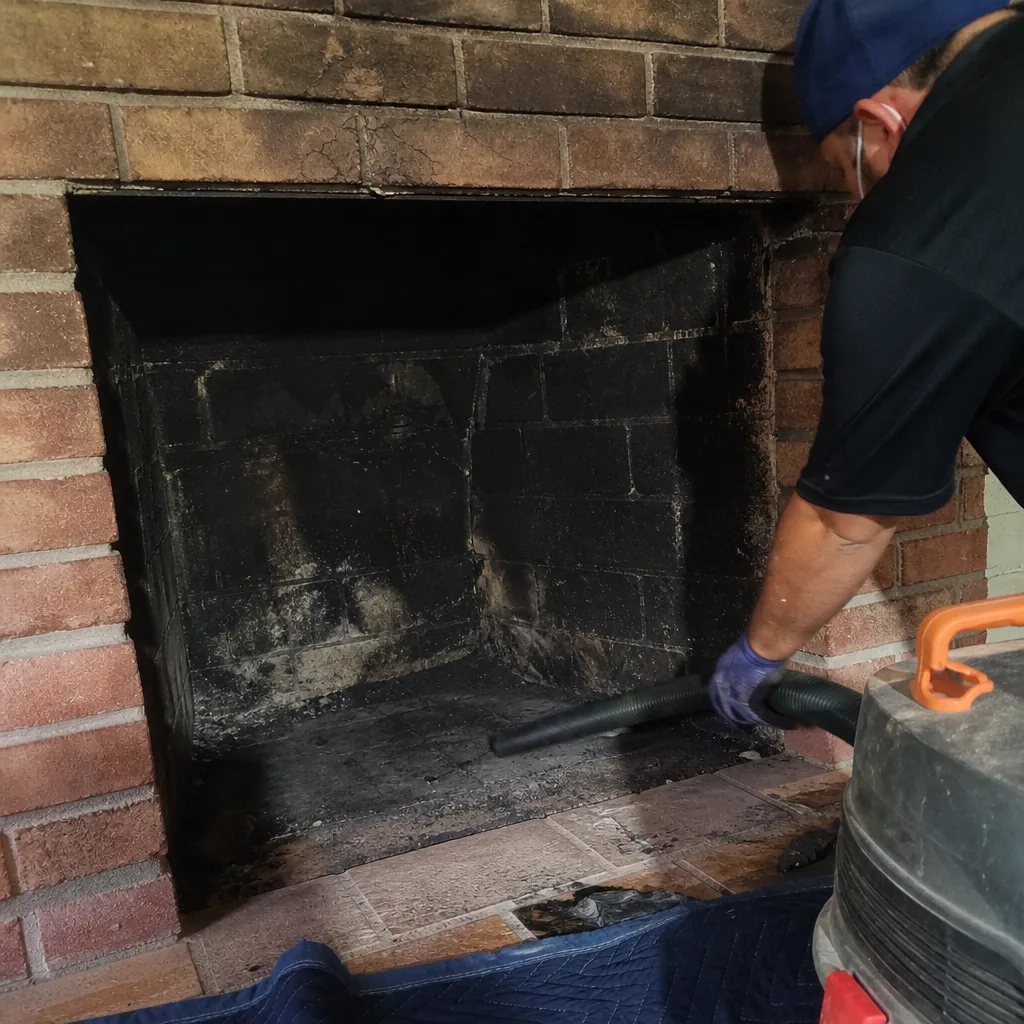 Before
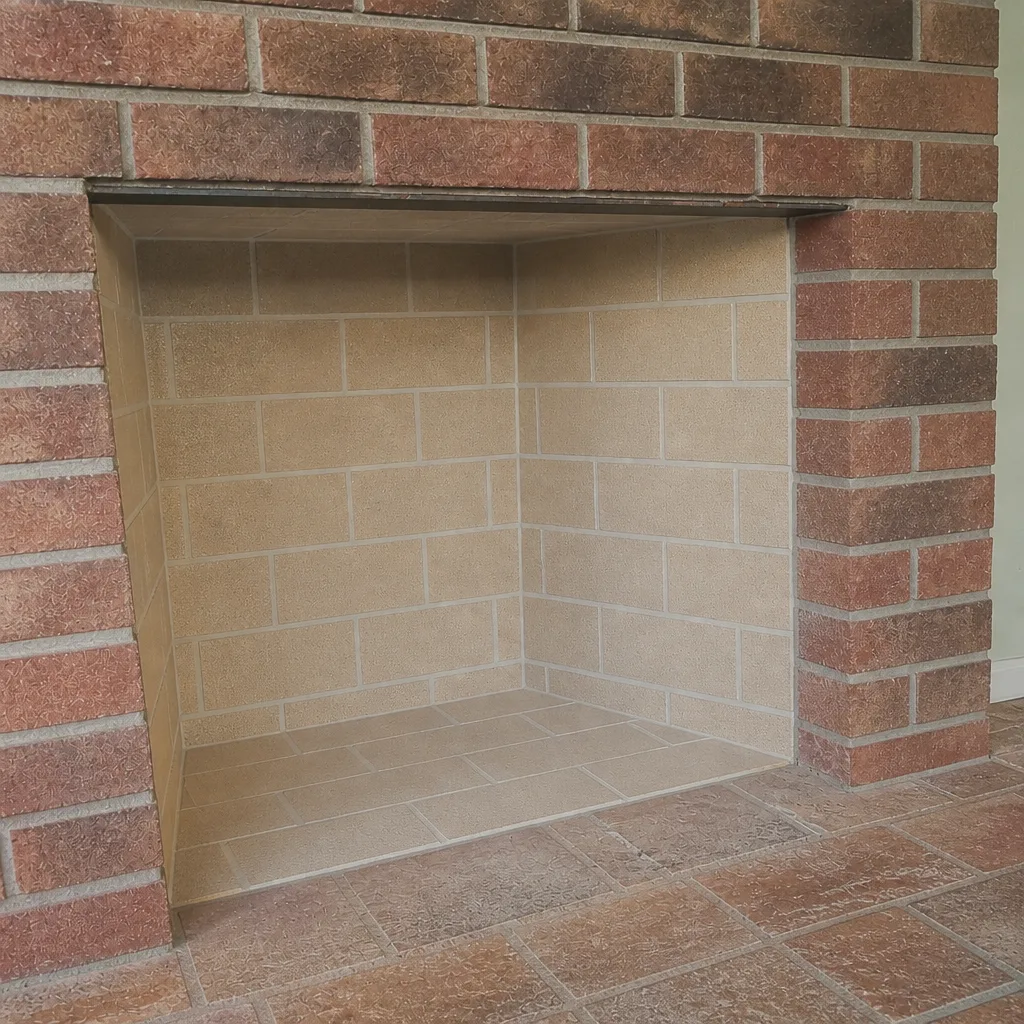 After
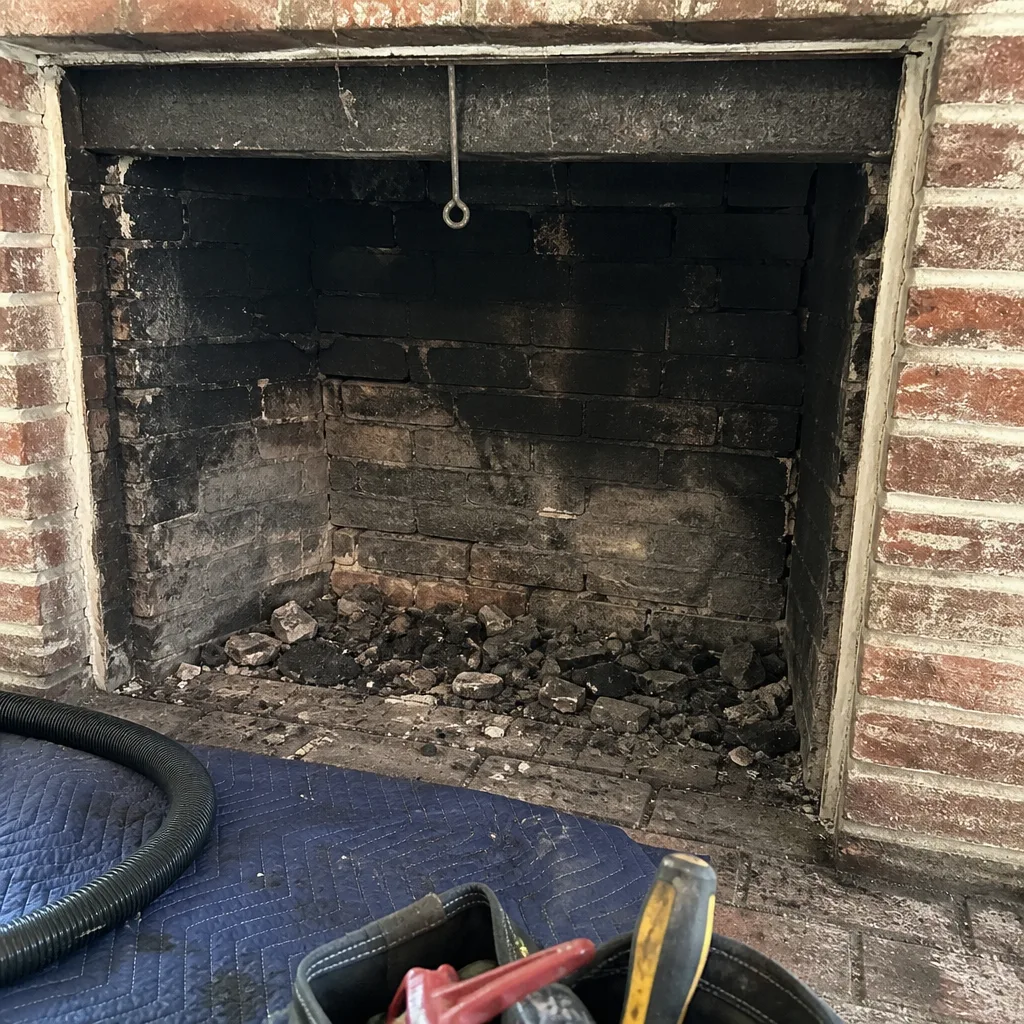 Before
 After
 Before
 After