
Last updated November 14, 2026
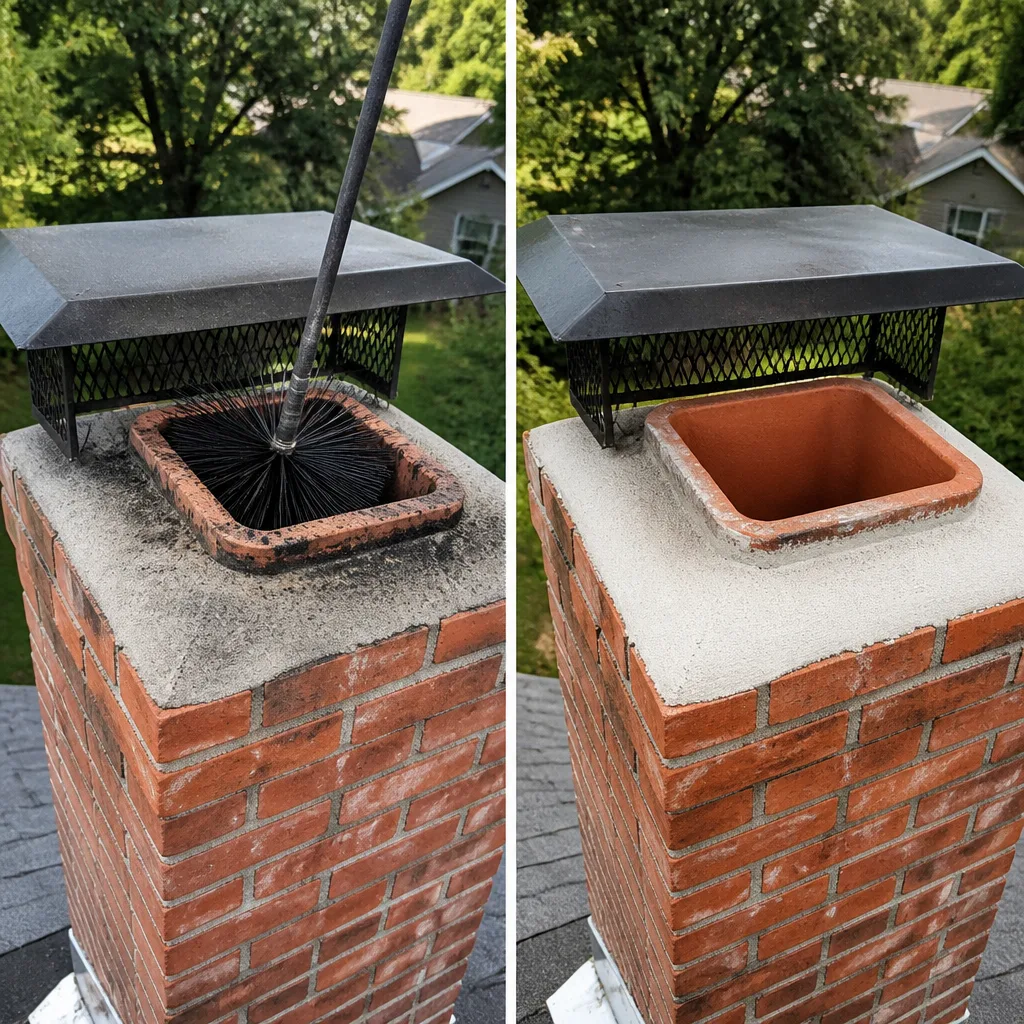 Sweep & inspection
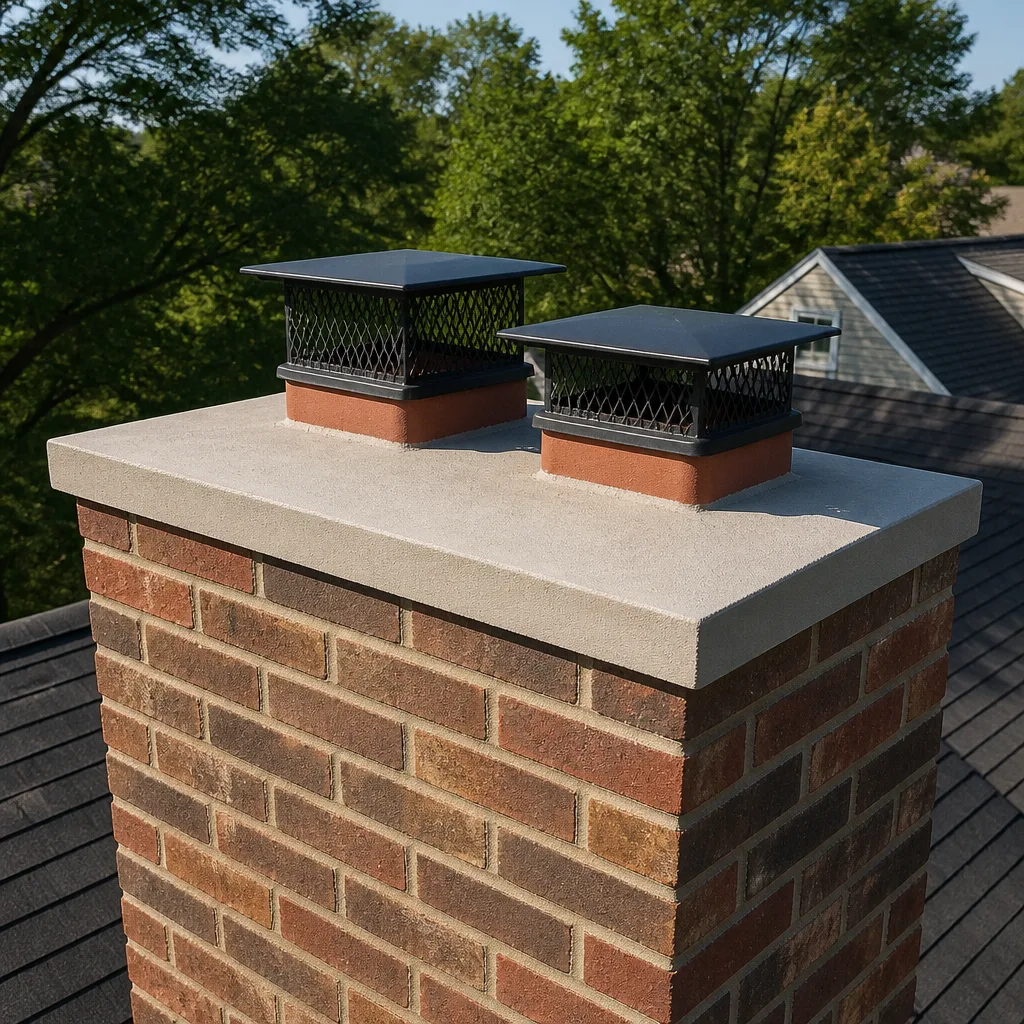 Caps & crowns
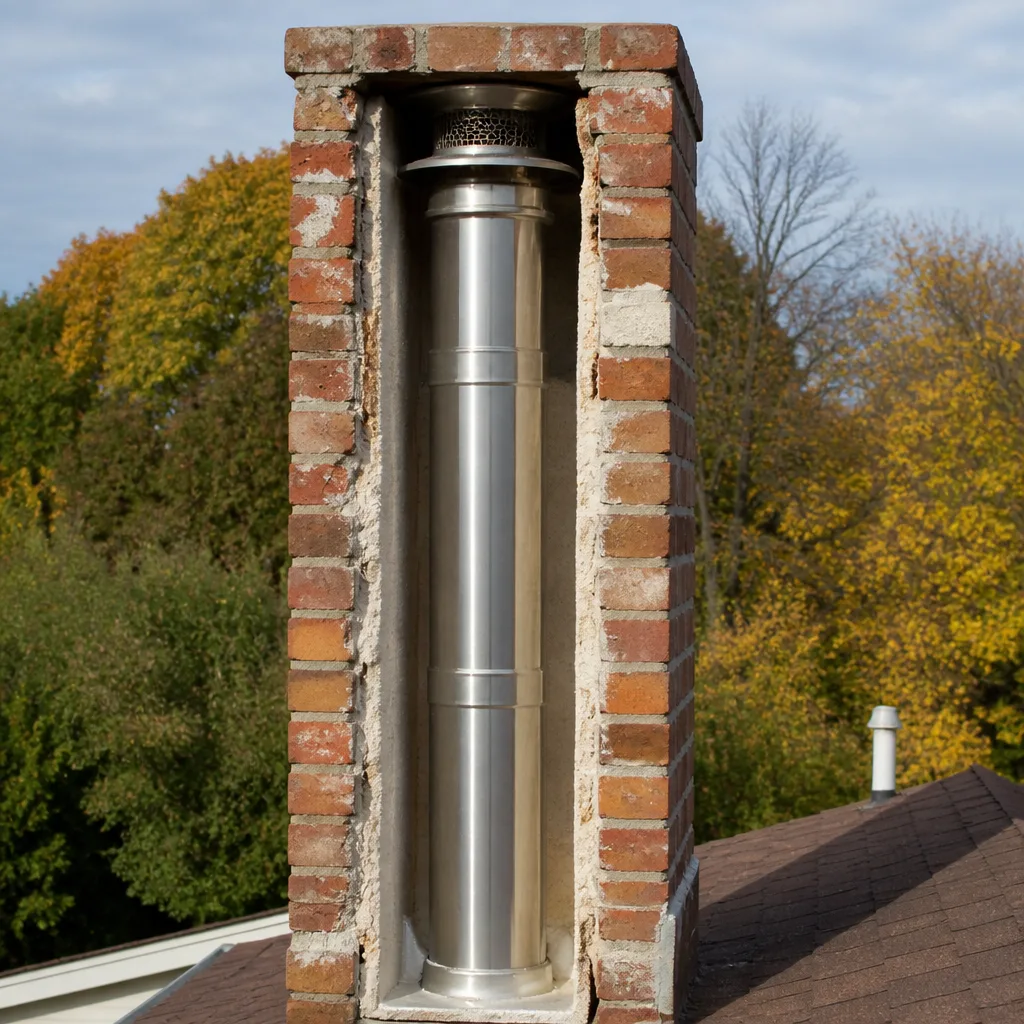 Flue relining
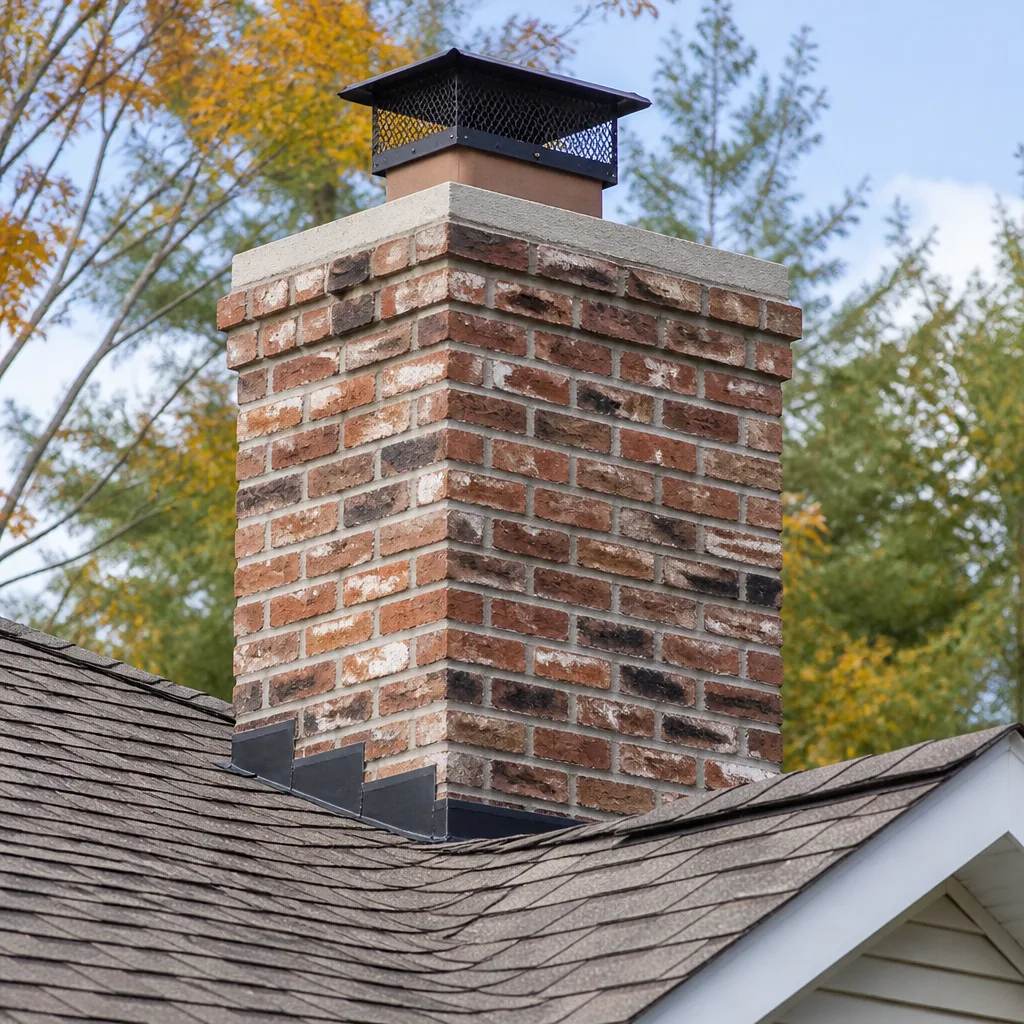 Masonry repair
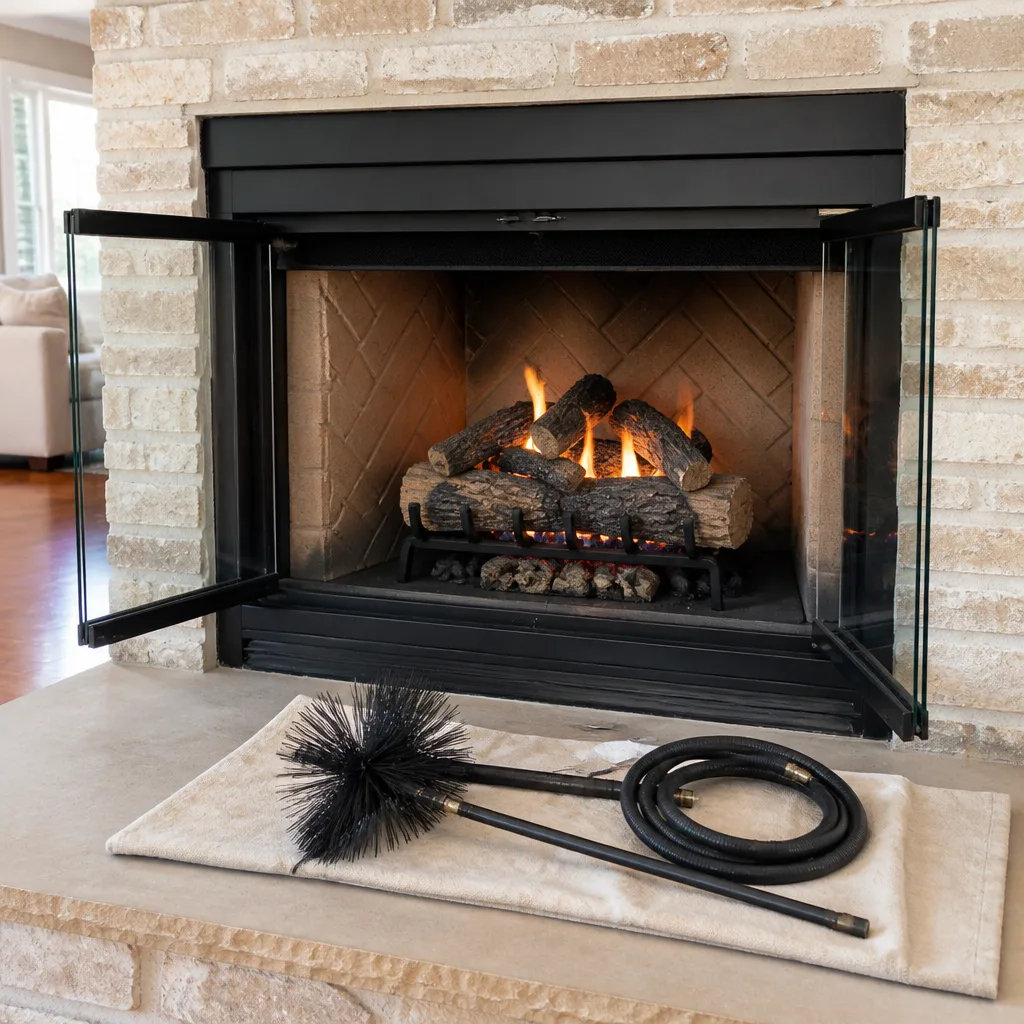 Gas fireplace service
Level 1 sweep and inspection to the NFPA 211 annual standard - flue, crown, cap, and flashing checked and photographed
Chimney sweep logs do not sweep chimneys. They loosen some creosote - which then falls where a brush and vacuum still have to collect it.
Chimney Cleaning Emergency Preparedness Guide for Pompano Beach Homes
After a hurricane or a severe storm rolls through, the most dangerous thing you can do with a fireplace is assume it’s fine because the house looks intact. Liner cracks caused by vibration and wind loading are invisible from the outside and undetectable without a camera. A chimney that looks whole from the driveway can be venting exhaust into a wall cavity, and you won’t know until you light a fire. This guide covers both halves of chimney emergency preparedness for Pompano Beach homes: what to do before a storm arrives, and the exact inspection sequence to follow before you light a fire or run a gas appliance afterward.
Styles & brands we work with
- Sweep & inspection
- Caps & crowns
- Flue relining
- Masonry repair
- Gas fireplace service
Quick Answer
Chimney emergency preparedness in Pompano Beach means securing the cap and clearing the crown before storm season, then running a full post-storm inspection of every flue connected to any appliance before you use it. Never light a fire after a severe storm until a camera inspection confirms the liner is intact. Storm damage to a chimney is often invisible from ground level, so visual checks from the yard are not enough.
Table of Contents
- Why a Chimney Is One of Your Most Exposed Structures
- Pre-Storm Chimney Preparation Checklist
- The Post-Storm Inspection Sequence
- What Storm Damage Actually Looks Like on a Masonry Chimney
- Why Gas Flues Need the Same Inspection
- Documenting Damage for a Broward County Insurance Claim
- How to Build a Year-Round Preparedness Calendar
- Common Mistakes to Avoid
- When to Call a Professional
- Frequently Asked Questions
Why a Chimney Is One of Your Most Exposed Structures
A chimney is the only part of your home designed to carry hot combustion gases up and out through the roof. That design puts it above the roofline, exposed to every wind that crosses Pompano Beach. When people prepare for a hurricane, they think about roof tie-downs, shutters, and garage doors. The chimney rarely makes the list. It should, because a chimney takes wind load from four directions and has no structural redundancy behind it.
Masonry chimneys resist wind with their own weight and their bond to the roof structure. A cap sits on top with nothing but its own fastening. The crown, a concrete slab at the top, is the chimney’s first line of defense against water intrusion. Each of these components is vulnerable in ways the rest of the house is not.
Here’s what makes the post-storm risk specific. The most serious chimney damage from a storm usually doesn’t come from a direct strike. It comes from what the wind does to an already marginal component. A cap that was loose last season lifts off. Flashing that had a small gap widens. Debris driven at high speed chips brick and mortar at the crown. None of it looks dramatic from the street.
The deeper problem is ventilation. A damaged flue no longer pulls combustion gases up and out with the reliability it was built for. If a liner has an internal crack, carbon monoxide can migrate into the home’s envelope instead of exiting the top. That’s why a compromised chimney after a storm isn’t a cosmetic repair question. It’s a ventilation and fire-safety problem that has to be resolved before the fireplace or any connected appliance is used again.
We’ve seen this pattern repeatedly in our experience working Pompano Beach homes: the trees are up, the house looks fine, and the chimney is the last thing anyone checks. It should be the first.
Pre-Storm Chimney Preparation Checklist
Pre-storm preparation is mostly about removing the things that wind can lift or drive. A secured chimney does not mean a bulletproof one, but it means the weakest link isn’t sitting at the top of your house waiting for a gust. This checklist is what we walk through before storm season each year.
- Check the chimney cap. The cap is the most common storm failure point on any chimney. It covers the flue opening and keeps rain, debris, and animals out. A cap held by rusted screws or a loose friction fit can lift off in high wind. Grasp it and push; if it moves more than a fraction of an inch, it needs re-securing or replacing. Gelco caps are a durable choice when a cap has to be replaced.
- Clear debris from the crown. The crown is the sloped concrete top of a masonry chimney. Wind-driven leaves, twigs, and palm fronds collect on it. When they’re wet they hold moisture against the surface, and when they dry they become fuel. Sweep it clean before storm season and again after.
- Confirm the damper closes. A damper that doesn’t seat properly lets wind-driven rain into the firebox. That moisture sits in the flue and weakens mortar over time. Test the damper by hand and feel for a full close.
- Look for loose mortar at the crown and flashing. Cracks wider than a hairline, or mortar that’s crumbling when you touch it, are pre-storm red flags. A compromised crown is a water intrusion problem waiting for a storm to accelerate it.
- Trim overhead branches. Any limb within several feet of the chimney should come down before storm season. A branch that breaks in wind can take the cap or the top courses of brick with it.
- Get a pre-season sweep and inspection. The quietest time to find a problem is before you need to use the fireplace. A camera inspection before the season gives you a baseline, and any repair work can be scheduled without a storm complicating the timing. Our chimney sweep service includes camera inspection and a photo report, so you know what you’re working with before a storm can change it.
Most of this checklist takes an hour. None of it requires climbing on the roof if you don’t want to. A pre-season inspection covers the parts you can’t see from the ground, and it gives you a record to compare against if something does happen.
The Post-Storm Inspection Sequence
After a severe storm, resist the instinct to light a test fire to see if everything works. That instinct is understandable and it’s exactly the wrong move. A test fire in a compromised flue can push combustion gases or flame into places they don’t belong. Follow this sequence instead.
- Do not use any appliance connected to the chimney. That includes the wood fireplace, a gas fireplace, and any gas water heater or furnace that vents through the chimney. All of them depend on an intact flue for safe exhaust.
- Check the exterior from ground level first. Look for a missing cap, obvious flashing separation, brick displacement, or a crown that’s cracked or has shifted. Note anything that looks different from before the storm. Take photos from the same angles for a record.
- Check the firebox and smoke chamber from inside. Open the damper and look up. Visible cracking in the firebox brick, soot patterns that changed, moisture, or debris dropping down are all signs something moved.
- Smell for gas if the fireplace is gas-fired. A gas smell near the firebox means the line or connections need professional checking before anything else happens. Do not test with a match.
- Book a camera inspection before the first fire. This is the step most homeowners skip, and it’s the one that actually answers the question. A camera goes up the flue and shows liner cracks, joint separation, and blockages that no ground-level view can reveal. Everything after this is guesswork without it.
- Hold off on repairs until you have the inspection photos. If damage is found, the photo report documents it and informs how you file the claim. More on that in the insurance section below.
The order matters. The pre-inspection shutdown protects the household. The camera inspection gives you the facts. Repairs follow from evidence, not from what looks concerning from the driveway.
What Storm Damage Actually Looks Like on a Masonry Chimney
Storm damage on a masonry chimney tends to cluster around a handful of failure points. Knowing what they look like helps you describe what you’re seeing when you call for an inspection, and it helps you photograph the right things for an insurance claim.
- Shifted crowns. The concrete slab at the top of a masonry chimney is prone to cracking and shifting when wind-loaded. A crown that’s tilted or has a crack wide enough to hold a coin means water is getting in at the top of the flue.
- Dislodged caps. A cap that lifted off during the storm leaves the flue open to rain, debris, and animals. If your cap is missing after a storm, do not use the fireplace until a new one is on. Gelco caps are a dependable replacement, and we carry them as part of our standard repair materials.
- Flashing separation. Flashing is the metal apron where the chimney meets the roof. Wind-driven rain finds every gap in it. When flashing separates, water gets behind it and into the roof deck and ceiling. Caulk is a temporary patch at best. It needs proper repair to hold.
- Spalled brick from wind-driven debris. Spalling is brick that has blown apart in flakes or chunks. It happens when wind drives debris into the chimney face, or when moisture inside the brick expands against a compromised surface. Spalled brick on a chimney means the structural skin is compromised and the waterproofing layer is gone.
- Internal liner cracks from vibration. This is the damage nobody sees. Wind load and storm vibration can crack clay tile liners and separation at the joints. The only way to find it is a camera. This is why a full inspection is the bedrock of every recommendation we make after a storm.
If any of these are present, the chimney is not safe to use until it’s repaired. That’s not caution for its own sake. A damaged liner is a path for carbon monoxide and a path for heat into combustibles.
Why Gas Flues Need the Same Inspection
A gas fireplace, furnace, or water heater vents through the chimney just like a wood fireplace does. The flue still depends on an intact liner and a working draft to get exhaust out of the house. A storm doesn’t care whether the appliance is wood-burning or gas-fired. It damages the chimney system the same way.
Most homeowners skip this check for a specific reason: gas appliances are quiet. You don’t see smoke, you don’t smell much when they run correctly, and there’s no fire in the firebox to remind you the chimney is doing anything. A gas water heater venting through a damaged flue can produce carbon monoxide with no obvious warning. That’s why we treat the post-storm inspection on a gas flue as just as important as the one on a wood-burning fireplace, and why every connected appliance comes into the conversation when we inspect a chimney in Pompano Beach.
If the chimney has both a wood fireplace and a gas appliance venting through it, the inspection has to check both flues. This is more common than most people expect in homes that were converted or updated over the years. Our technicians have up to 10 years of experience, and they’ve seen plenty of these hybrid setups where one flue was fine and the other was not.
The safety rule is simple. If a flue vents any combustion appliance, it needs the same camera inspection after a severe storm before the appliance is used. If the flue has cracked tiles or separation at the joints, the fix is a professional reline, not a wait-and-see. We install DuraFlex flexible liner systems for exactly this reason: they’re a professional-grade product that requires trained handling, and they give a damaged flue a new, continuous interior path for exhaust.
Documenting Damage for a Broward County Insurance Claim
The photo report you get from a camera inspection is the starting point for an insurance claim, but a complete file needs more than one set of photos. A Broward County adjuster will look at exterior and interior condition and want to see the difference between pre-storm and post-storm condition.
Here is what actually helps a claim, in the order we walk customers through it:
- Pre-storm condition photos. If you have them, from a prior inspection, they establish a baseline. This is the single most useful record a homeowner can hold.
- Wide exterior shots before close-ups. Take a photo from the same spot you’d stand in to look at the chimney, then move in. The wide shot makes the close-up locatable to an adjuster.
- Close-ups of the cap, crown, flashing, and any visible brick damage. Each one photographed separately with a frame of reference (roof, chimney face, sky) nearby.
- A camera inspection report from a qualified inspector. This is the evidence of internal damage that no smartphone photo can capture. The report includes photos of the flue interior, so it’s the closest thing to proof you’ll get of liner damage.
- Written notes on timing. Note when the storm occurred and when you first noticed the damage. A written record matters.
- The professional’s written assessment. A camera inspection with a photo report gives the adjuster the professional basis for the claim. That’s the document most homeowners are missing when the claim is denied or underpaid.
We can work with your insurer on the documentation side. We don’t file the claim for you, and we can’t guarantee an outcome. What we can do is give you the evidence that the damage exists and what it will take to repair it properly, so you’re not arguing with an adjuster about something you can’t see. Our team can walk you through the report and answer questions about what each photo shows. For details specific to the area, see our Pompano Beach page.
How to Build a Year-Round Preparedness Calendar
Emergency preparedness isn’t a single day’s task. It works best as a calendar, so the chimney gets attention at times that make sense for a Pompano Beach home. The two dates that matter most are before storm season and after any severe weather event. The rest fills in between.
- Before storm season. Run the pre-storm checklist above. Check the cap, clear the crown, test the damper, trim branches. Book a professional sweep and inspection so the pre-season condition is documented. This is the one appointment that pays back a season’s worth of guessing.
- After any severe storm. Follow the post-storm inspection sequence. If anything looks off or you’re not sure, book a camera inspection before the first fire. Even if the chimney “looks fine,” the camera is the answer.
- Before the first fire of the season. If you haven’t had a sweep yet this year, do it before the first burn. Soot and creosote build up over a season, and a clean flue drafts better and burns safer.
- Annually for dryer vent cleaning. Lint buildup in a dryer vent is a fire risk that has nothing to do with the chimney, but it’s still a combustion and venting safety concern. We handle dryer vent cleaning as part of the same home safety routine, because a fire that starts in the dryer duct is just as serious as one that starts in the flue.
- Every few years, or after any repair, re-inspect. Repairs wear. Liners age. A camera inspection every few years catches small problems before they become structural. After any repair, a re-inspection confirms the fix held.
If you write nothing else down, keep two dates: one before storm season, one after the last storm you remember. The rest of the calendar can bend around those two.
Common Mistakes to Avoid
These are the mistakes that come up most often, and each of them has a specific fix in Pompano Beach’s storm-season reality.
- Assuming the chimney is fine because the house looks fine. A sound roofline says nothing about the liner. The most serious damage after a storm is internal, and visual checks from the yard can’t find it.
- Skipping the gas flue because you don’t use the fireplace. A gas water heater or fireplace vents through the same chimney. If the liner cracked, that appliance is unsafe whether you’ve lit a wood fire or not.
- Leaving a cap loose or missing after a storm. An open flue lets rain, debris, and animals in, and every one of those makes the next problem worse. Replacement caps like Gelco are a small fix that prevents a big one.
- Filing an insurance claim without a camera inspection. Exterior photos won’t show the adjuster a cracked liner. The camera report is the evidence that turns a claim from an argument into a documented record.
- Waiting until after the first fire to check the flue. A test fire in a compromised liner is the one situation you can’t take back. Inspect first, burn second.
- Letting a small crown crack sit through storm season. A hairline crack in the crown is a water entry point. Wind-driven rain finds it, and the damage spreads into the flue from the top.
- Assuming repairs are always thousands of dollars. Not every storm finding needs a full reline. A damaged flue can sometimes be restored through resurfacing with the HeatShield system rather than a full liner replacement, which is a repair path most cleaning-only companies can’t offer. The camera photos show what’s actually going on.
When to Call a Professional
Call a professional if any of these are true: a storm has passed through and you haven’t had the chimney inspected since; your cap is missing loose or visibly damaged; you can see cracking or shifting at the crown; flashing has separated from the roofline; you smell gas near a fireplace; you’ve never had a camera inspection on your flue; or you see or smell moisture in the firebox. Also call if the firebox shows soot patterns that changed after a storm, or if you’re preparing to buy a home in Pompano Beach and want the chimney condition documented before closing.
The reason to call rather than handle it yourself is that chimney inspection requires a camera to see the parts that matter. Our technicians at Stratford Chimney Sweep use camera inspection and provide a photo report, so you see what we see. Stratford Chimney Sweep offers free estimates in Pompano Beach. Call (866) 361-5813. We answer 24/7. Fast dispatch from 7am to 7pm, Sunday through Friday. We repair what we find, so the inspection and the fix stay with the same company, and nothing gets handed off.
Frequently Asked Questions
Once a year for a chimney you use regularly, and recommended before the first fire of the season for any chimney you use at all. Homes with heavy fireplace use or that burn a lot of softwood may need it more often. A pre-season sweep also gets a camera inspection on record, which is the best protection against undetected storm damage.
Not until a camera inspection confirms the liner is intact. A house that looks intact says nothing about the inside of the flue, and a cracked liner from vibration can vent carbon monoxide into the home. Book an inspection before the first fire. Call (866) 361-5813 for an exact quote, estimates are free.
A missing or loose cap, a cracked or shifted crown, flashing that has pulled away from the roof, and spalled brick on the chimney face are the visible signs. The invisible one is a liner crack, which only a camera finds. If you see any visible sign, treat the chimney as unsafe until inspected.
Not always. A liner crack that’s caught early can sometimes be restored with resurfacing rather than a full reline, and that’s part of what the camera inspection determines. If the damage is a full break or joint separation, a reline is the safe fix. The photo report shows you what the inspection found and which option applies.
Your first fire could push smoke and combustion gases through a crack in the liner and into the structure of the house rather than out the top. The risk is worst when you have no idea the damage exists, which is the normal state after a storm. The inspection is what removes the guesswork. Call (866) 361-5813. We answer 24/7. A call outside dispatch hours is booked into the next opening, Sunday through Friday, 7am to 7pm.
Start with photos from the same angles you used before the storm if you have them, then add close-ups of the cap, crown, and flashing with a frame of reference in each shot. The most important item is a camera inspection report from a qualified inspector, because it documents the internal damage an adjuster can’t see from the roof. We can work with your insurer on the documentation. Call us to schedule the inspection first.
The Bottom Line
A chimney is one of the most storm-exposed structures on a Pompano Beach home, and the damage that matters most after a storm is the damage you can’t see. Secure the cap and clear the crown before storm season. Shut down every appliance connected to the chimney after a storm and run a camera inspection before the first fire. Document everything with photos and a written inspection report if you plan to file an insurance claim. Repairs follow evidence, never guesswork. Whether the finding is a reline with DuraFlex, a resurfacing with HeatShield, or a fresh Gelco cap, we handle it as part of the same relationship that found the problem.
Call (866) 361-5813 for a free estimate. We answer 24/7. Fast dispatch from 7am to 7pm, Sunday through Friday.
Written by the team at Stratford Chimney Sweep.
See the difference
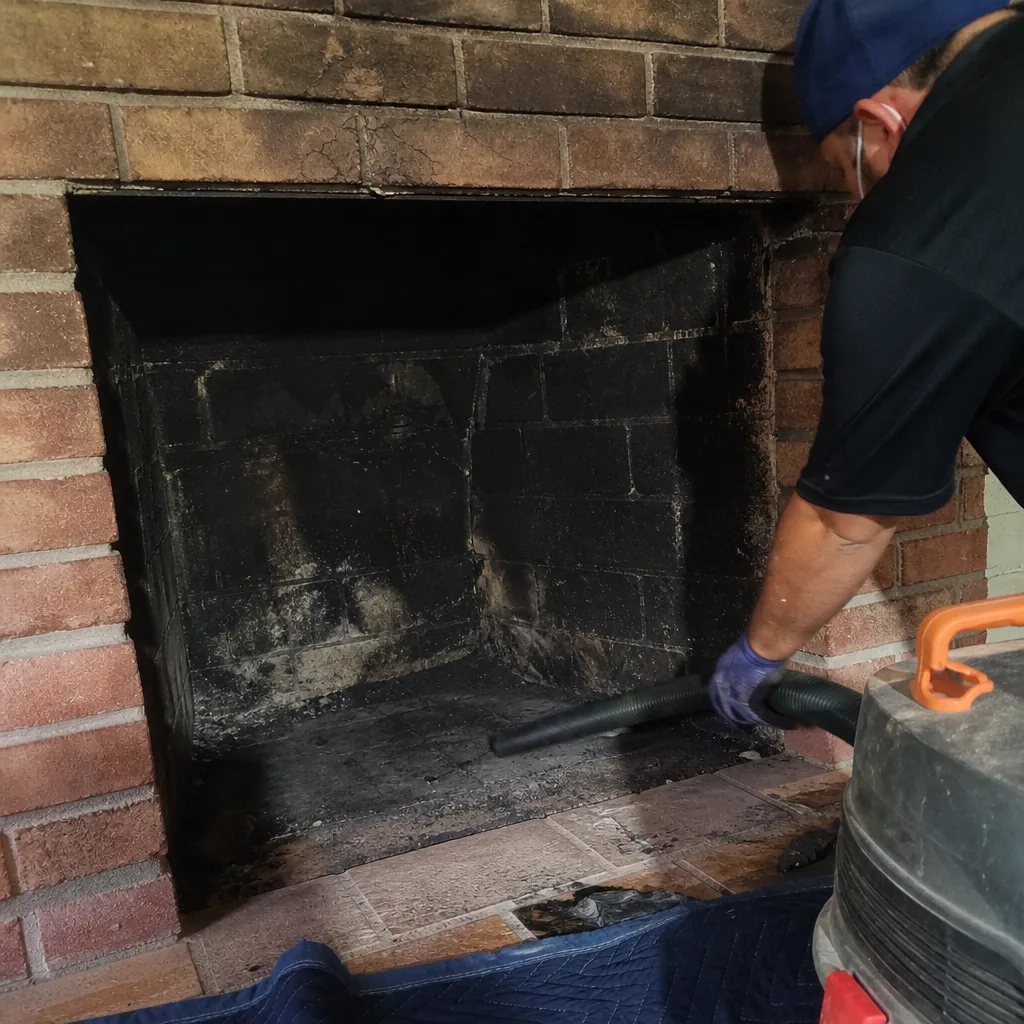 Before
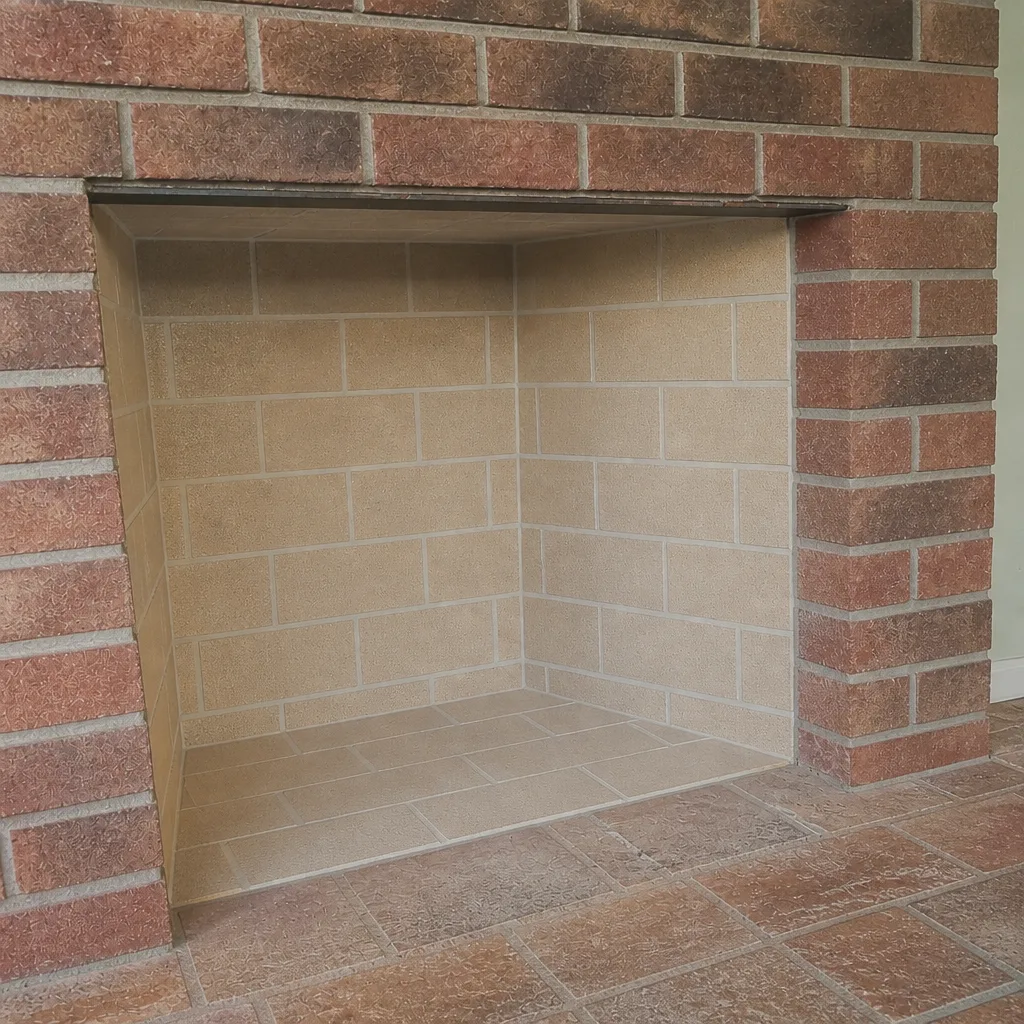 After
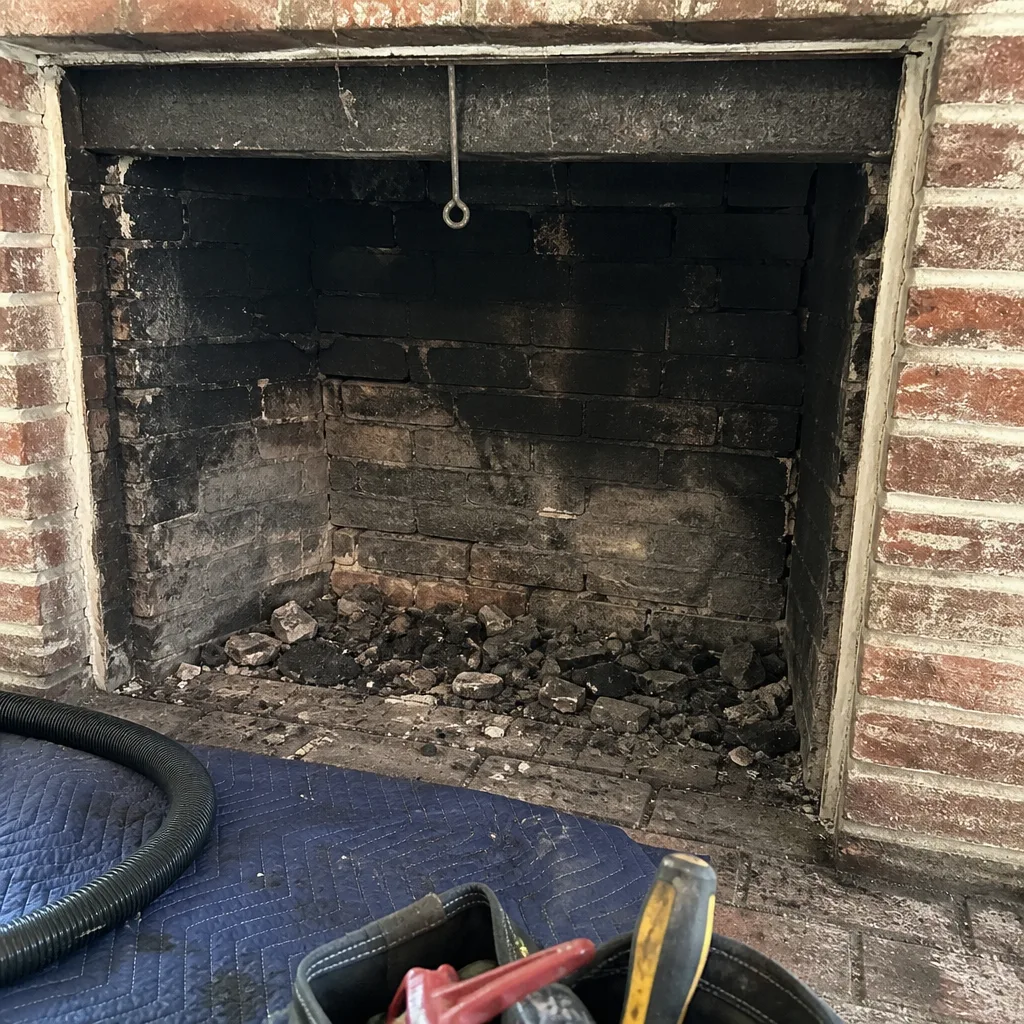 Before
 After
 Before
 After