
Last updated November 14, 2026
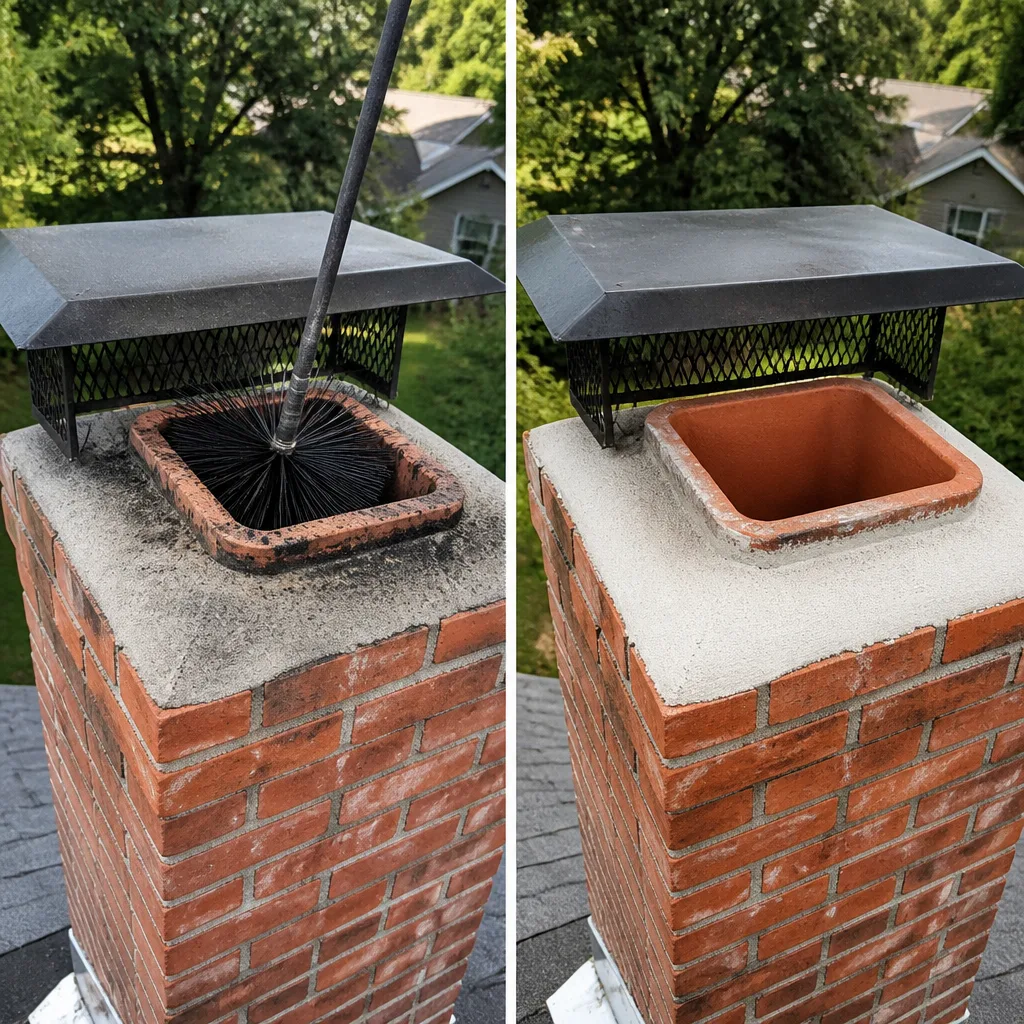 Sweep & inspection
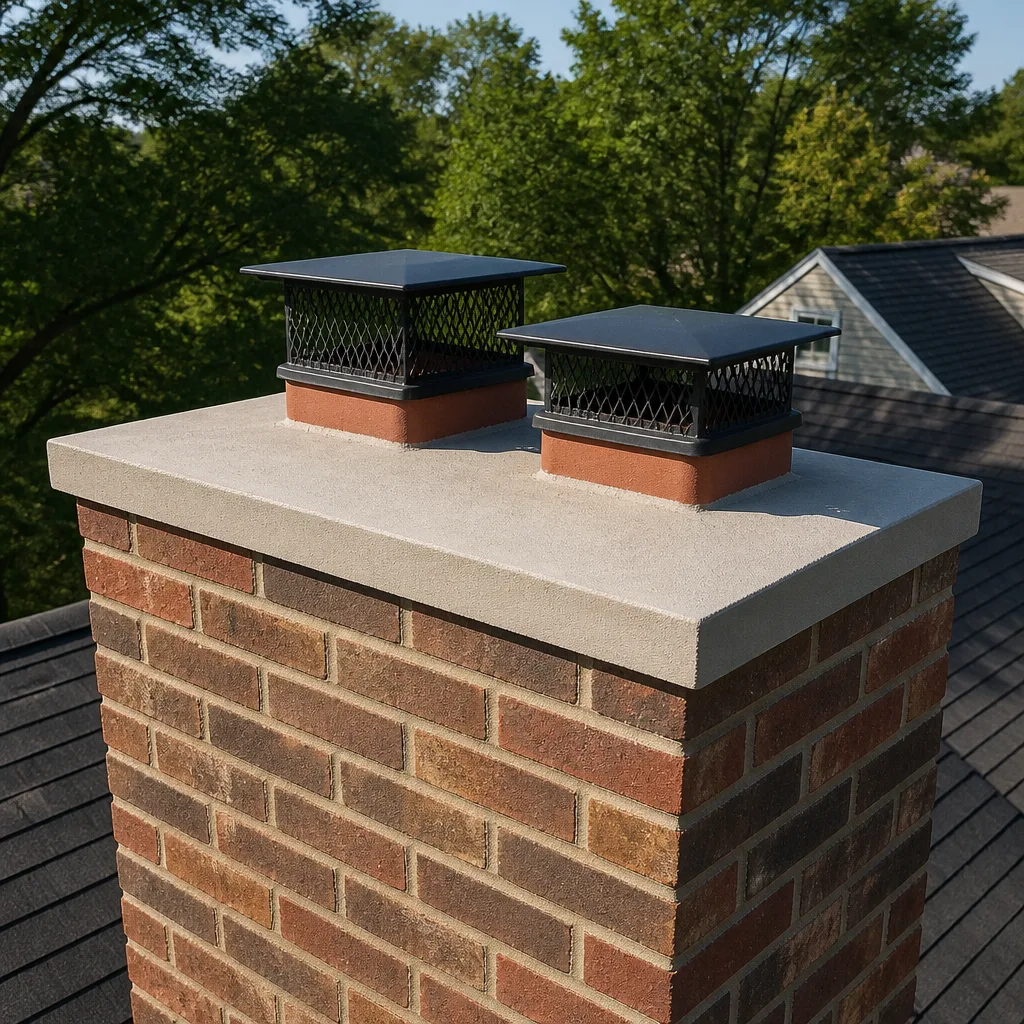 Caps & crowns
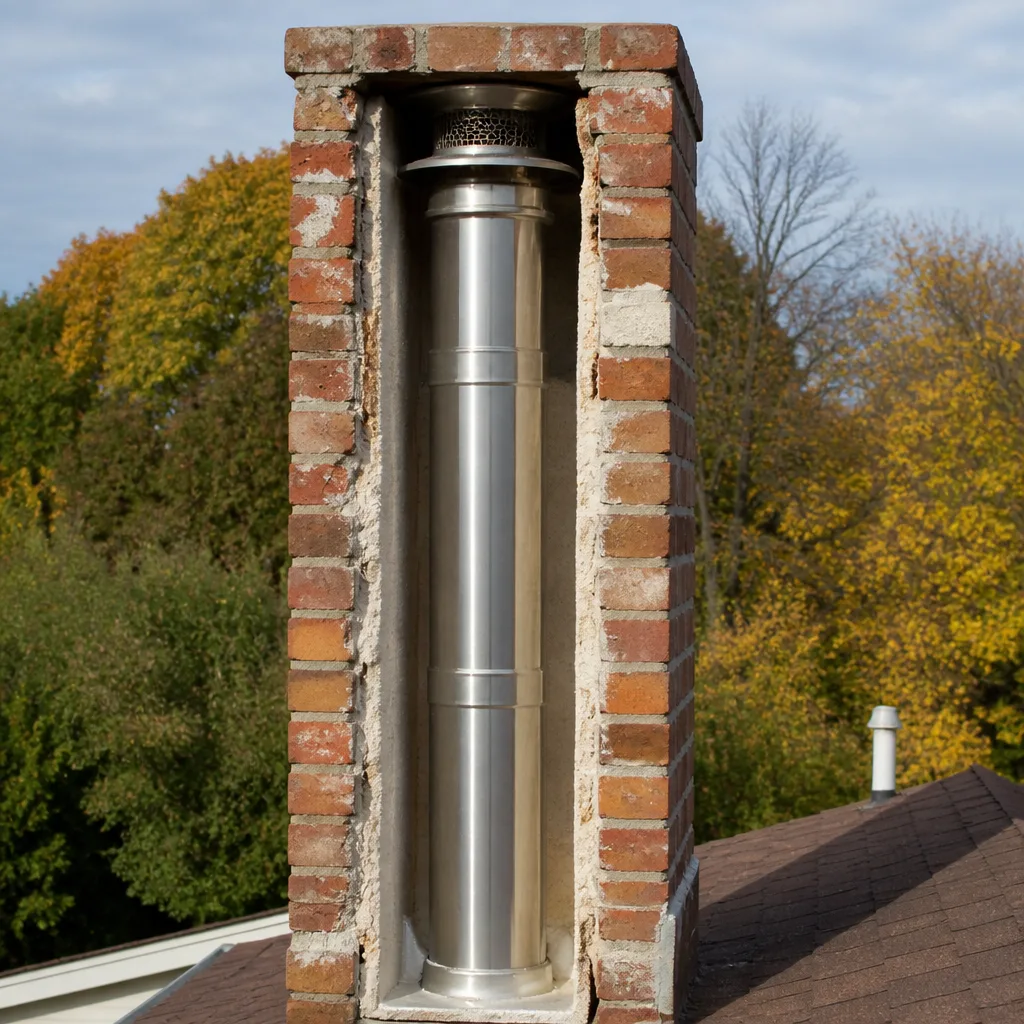 Flue relining
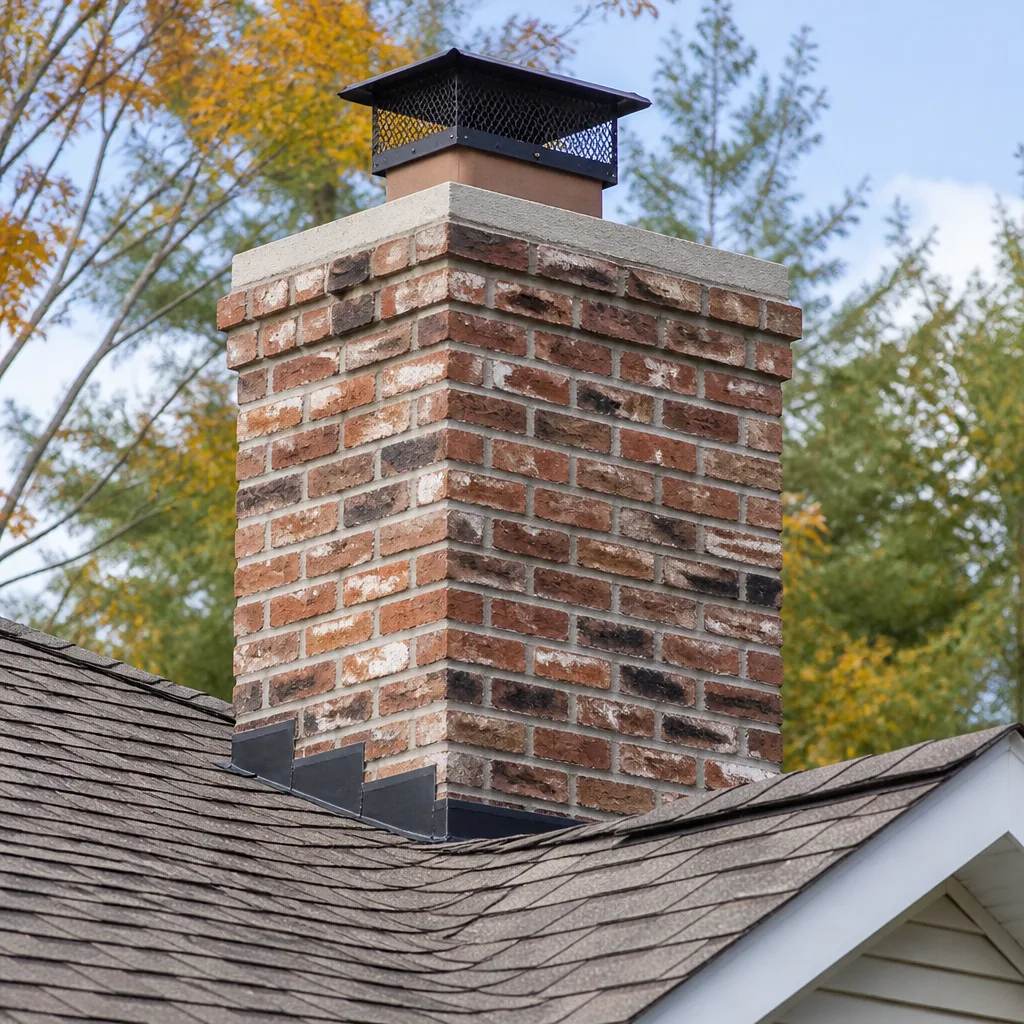 Masonry repair
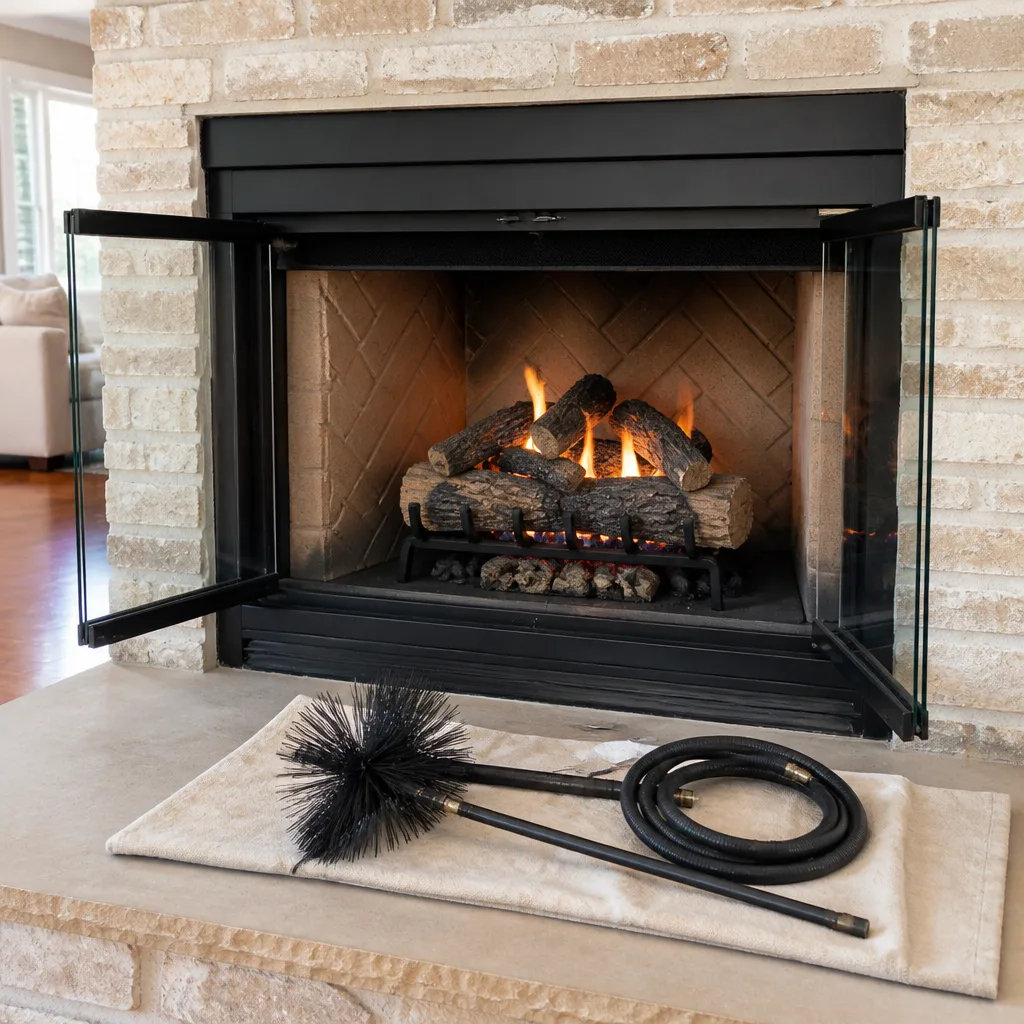 Gas fireplace service
Level 1 sweep and inspection to the NFPA 211 annual standard - flue, crown, cap, and flashing checked and photographed
Chimney sweep logs do not sweep chimneys. They loosen some creosote - which then falls where a brush and vacuum still have to collect it.
How to Hire a Chimney Cleaning Contractor in Pompano Beach: A Step-by-Step Guide
The chimney sweep market in Pompano Beach is more crowded and less qualified than it looks. Search “chimney cleaning” and the results mix CSIA-certified specialists with pressure-washing crews and general handymen who’ve bolted the service onto their menu, often at prices that undercut everyone else by half. The price tells you almost nothing about what you’re buying. What separates a real chimney professional from a sideline operator is what they can show you before the job starts and what they hand you when it’s done. This guide walks through the vetting framework: credentials to verify, questions that expose a sweep-only crew, quote red flags, and how to read a post-service report so you know whether the assessment was real.
Quick Answer
To hire a chimney cleaning contractor in Pompano Beach, verify three things before you book: current CSIA certification, liability insurance, and Florida contractor licensing. Then ask what materials the company carries and whether it can perform repairs it discovers during the sweep. A qualified contractor provides a written scope of work before the visit and a written inspection report after, ideally with photo evidence of anything that needs repair. If any of those are missing, keep looking.
Styles & brands we work with
- Sweep & inspection
- Caps & crowns
- Flue relining
- Masonry repair
- Gas fireplace service
Table of Contents
- Why Hiring a Chimney Contractor in Pompano Beach Is Different
- The Three Credentials to Verify Before You Book
- Interview Questions That Separate Specialists from Side Crews
- Quote Red Flags in the Pompano Beach Market
- Why the Cheapest Bid Often Skips Liner and Cap Work
- How to Read a Post-Service Report
- What a Proper Sweep Actually Involves
- Common Mistakes to Avoid
- Frequently Asked Questions
Why Hiring a Chimney Contractor in Pompano Beach Is Different
In cold-climate markets, chimney work is a winter ritual. In Pompano Beach, it’s a niche. Fireplaces are used seasonally, if at all, and the number of homeowners actively looking for a sweep in any given month is small. That dynamic produces a market where the barrier to entry looks low: a truck, a brush, and a website can position anyone as a chimney cleaner. The trick is attracting customers who don’t know what to look for.
Pompano Beach’s building stock complicates it further. Homes range from mid-century ranch houses to newer construction, and many fireplaces were installed decades ago and not serviced in years. A fireplace sitting idle for a long stretch can accumulate creosote, nesting debris, or a cracked flue tile without anyone noticing. When a crew shows up that only knows how to run a brush, they clean the flue and leave the underlying condition untouched.
The full-service side of the market is smaller. Companies that offer chimney sweep and repair under one relationship can assess what they find and correct it without a second contractor entering the picture. That matters because the moment a sweep reveals a damaged flue or failing crown, you’re either calling that company back or starting the vetting process all over. Our focus at Stratford Chimney Sweep is closing that gap: the same crew assesses, quotes, and performs the repair work.
The Three Credentials to Verify Before You Book
Three credentials matter, and each one takes under five minutes to check. Skip any of them and you’re trusting the crew’s own word.
1. CSIA Certification
The Chimney Safety Institute of America issues a certification that requires passing an exam and completing continuing education. You can verify a technician’s current status on the CSIA’s public directory at no cost. Certification is the floor, not the ceiling. It tells you the person has been tested on codes, safety, and venting principles. It does not tell you whether the company can do repair work.
2. Liability Insurance
Ask for a certificate of insurance and read the coverage limit. Roof work, ladder work, and the sweep’s equipment all carry the risk of damage to your home. A contractor who can’t produce a certificate within a day isn’t carrying adequate coverage. Keep the certificate on file.
3. Florida Contractor Licensing
Florida’s Department of Business and Professional Regulation maintains a public license search. Chimney repair often crosses into general or specialty contracting territory depending on the scope. Ask whether the company is licensed for the repair work, not just the cleaning. Write down the license number and confirm it against the state database. A technician who can’t name the license category is either uninformed or avoiding the question.
| Credential | How to Check | What to Ask |
|---|---|---|
| CSIA certification | CSIA public directory | “Can you give me your CSIA cert number?” |
| Liability insurance | Written certificate | “What’s the coverage limit, and can you email the cert?” |
| FL contractor license | DBPR license search | “What license category covers the repair work?” |
Interview Questions That Separate Specialists from Side Crews
The best screening questions are the ones a sweep-only crew can’t answer without exposing their limits. Ask them before you book. A qualified contractor answers without hesitation; a sideline operator deflects.
- “What materials do you carry on the truck?” A full-service contractor can name specific product lines – DuraFlex flexible liners, HeatShield resurfacing, Gelco caps, Olympia Chimney components. A generic crew says “brushes and vacuums.” The named materials tell you what repairs they’re equipped to perform.
- “If you find a cracked flue, what’s the next step?” The specialist has an answer in the same visit: assess the extent, quote the repair, and schedule it. The sweep-only crew tells you to call a repair contractor, which means starting over with a new vetting cycle.
- “Will I get a written report after the sweep?” Any qualified contractor answers yes. Ask what the report includes: photos, a diagram, or just text. Photo evidence is standard for serious companies.
- “Do you do dryer vent cleaning?” A company that handles combustion-vent work understands airflow and fire risk in a way that a chimney-only crew may not. It’s also a clue that the company treats vent safety as a category, not a single-product service.
- “Have you ever recommended a repair that could safely wait?” The answer should be yes. An honest contractor tells you when the crown has a season left, when the liner is intact but worth watching, and when the chimney is fine. If every visit produces a “you need this now” quote, you’re on a sales call.
- “Can you show me the photos of what you find?” A crew that walks the roof with a camera and emails the images is running a diagnostic. A crew that tells you the flue is cracked without evidence is asking you to trust them.
Quote Red Flags in the Pompano Beach Market
The most common mistake in a competitive market is treating the lowest number as the best deal. In the Pompano Beach area, a bid that comes in dramatically lower than the rest is usually lower because the scope is smaller, not because the company is efficient.
- An unusually low flat rate with no inspection. A sweep without an inspection is just a brush-and-go. The inspection is where the value lives: the flue tiles, the crown, the cap, the damper, the firebox joints. Skip it and you’ve paid for cleaning without knowing whether the chimney is safe to use.
- No written scope of work before booking. A verbal scope is a moving target. Ask for a written estimate that lists exactly what will be done and what will be inspected. If the company says “we’ll figure it out when we’re there,” you’re buying open-ended.
- Refusal to provide a certificate of insurance. Handled above, but worth repeating: no certificate, no booking.
- No mention of cap or crown assessment. The crown and cap are the chimney’s weather defense. A bid that doesn’t mention them isn’t assessing them. Damage there is common and inexpensive to fix early – expensive to fix later.
- Prices that shift on arrival. If the quote doubles once the crew is at the door, they’ve built the low number to get in the door. A quoted estimate should hold, and the written scope sets the final price.
- “We’ll send someone out” without a named crew. Subcontracting is common in a market with limited in-house capacity. Ask directly: will the company that quoted you perform the work, or hand it off?
Why the Cheapest Bid Often Skips Liner and Cap Work
Pompano Beach’s market is competitive enough that low prices have to come from somewhere. The most common place is scope: a crew that cleans the flue but doesn’t inspect the liner, doesn’t check the cap, and doesn’t assess the crown is delivering a smaller service at a smaller price. It’s not a scam, but it’s not the same product.
Liner assessment is the biggest omission. The flue liner is the chimney’s inner wall; when it cracks, combustion gases can migrate into the walls of the house. A sweep that doesn’t camera-inspect the liner can’t tell you whether the liner is intact. They clean the passage and leave the condition unexamined. If the liner is damaged, the sweep gives a false sense of safety.
Cap and crown work get skipped for the same reason: it’s roof time, and it’s routine maintenance the crew may not be equipped to handle. A missing or damaged cap lets water, debris, and animals into the flue. The crown, the concrete top, cracks over time and lets water soak into the masonry. Small repairs at these points are among the least expensive items in chimney work – and among the most consequential if left alone.
When we assess a Pompano Beach chimney, the visit covers sweep, liner inspection, cap, crown, firebox, and damper. The estimate covers findings from all of them. You don’t have to accept any repair quoted; the point is that you should know.
How to Read a Post-Service Report
The report is the deliverable that separates a diagnostic visit from a brush-and-go. A qualified crew hands you a written record of what was found, what was cleaned, and what needs attention. What should be in it:
- A date and technician name. Standard documentation; if it’s missing, the report is informal.
- The appliance and flue type. Wood fireplace, gas, or other. The flue’s dimensions and lining type. These determine what codes apply and what repairs are appropriate.
- Photos of the flue interior. Camera inspection photos should be labeled and clear enough that you can see what they show. If the report says “cracked tile at X,” the photo should show it.
- A description of the deposit. Creosote degree, or a general description of what was found. This tells you how the fireplace is being used and what future maintenance to expect.
- Inspection findings on the crown, cap, damper, firebox, and exterior. Any of these can be flagged for repair, deferred, or cleared. The report should state which.
- A recommended action list. What needs repair, in priority order, with an estimate if the company can provide it.
If the company hands you a handwritten receipt and a verbal summary, the assessment was thin. A verbal “everything looks fine” is not a report, and it’s not documentation you can use later to prove the condition of the chimney.
What a Proper Sweep Actually Involves
Understanding a proper sweep makes it easier to judge whether the crew you’ve hired is doing one. A qualified sweep covers five phases:
- Setup and protection. Drop cloths around the hearth, a vacuum running continuously to control dust. Ask before they start why they’re setting up the way they are; the answer should make sense.
- Sweep. Brushes sized to the flue, worked from the top or bottom depending on the chimney’s configuration. A sweep that’s over in ten minutes is likely too quick for the buildup.
- Inspection. Camera into the flue, visual on the crown, cap, damper, firebox joints, and exterior masonry. This is the part where findings emerge.
- Assessment and report. Findings compiled into the written report and reviewed with you in plain terms, including what can safely wait and what can’t.
- Repair quote. Items that need work are quoted with a written estimate. The estimate is free, the price is set per job, and the written scope sets the final price.
If any of those phases is missing, the crew is cutting the service. Ask why.
Common Mistakes to Avoid
- Booking the first listing that appears. Search results in Pompano Beach mix paid ads, directory listings, and sideline crews. Verify a credential before you dial.
- Skipping the inspection because the price already includes it. Some bids quote inspection but don’t perform it. Ask what the inspection covers and what the written report will show.
- Treating a clean sweep as a clean bill of health. A clean flue can still have damaged tiles, a cracked crown, or a failing liner. The sweep cleans; the inspection tells you whether it’s safe.
- Accepting repairs without photos. Photo evidence isn’t optional in a legit assessment. If the report says the liner is cracked, the photo should show the crack.
- Using a general handyman for chimney and flue work. Chimney work crosses into masonry, metal liners, and combustion venting. It’s a specialty, not a task to shovel onto a generalist’s job list.
- Ignoring the dryer vent. The same company that handles chimney work is often equipped to clean the dryer vent, a fire-safety service in its own right. Ask about it. dryer vent cleaning is a standard part of a safe home ventilation routine.
- Not asking what happens after the sweep. If a sweep discovers a repair, can the same company do it? If not, you’ll be vetting a second contractor halfway through the process.
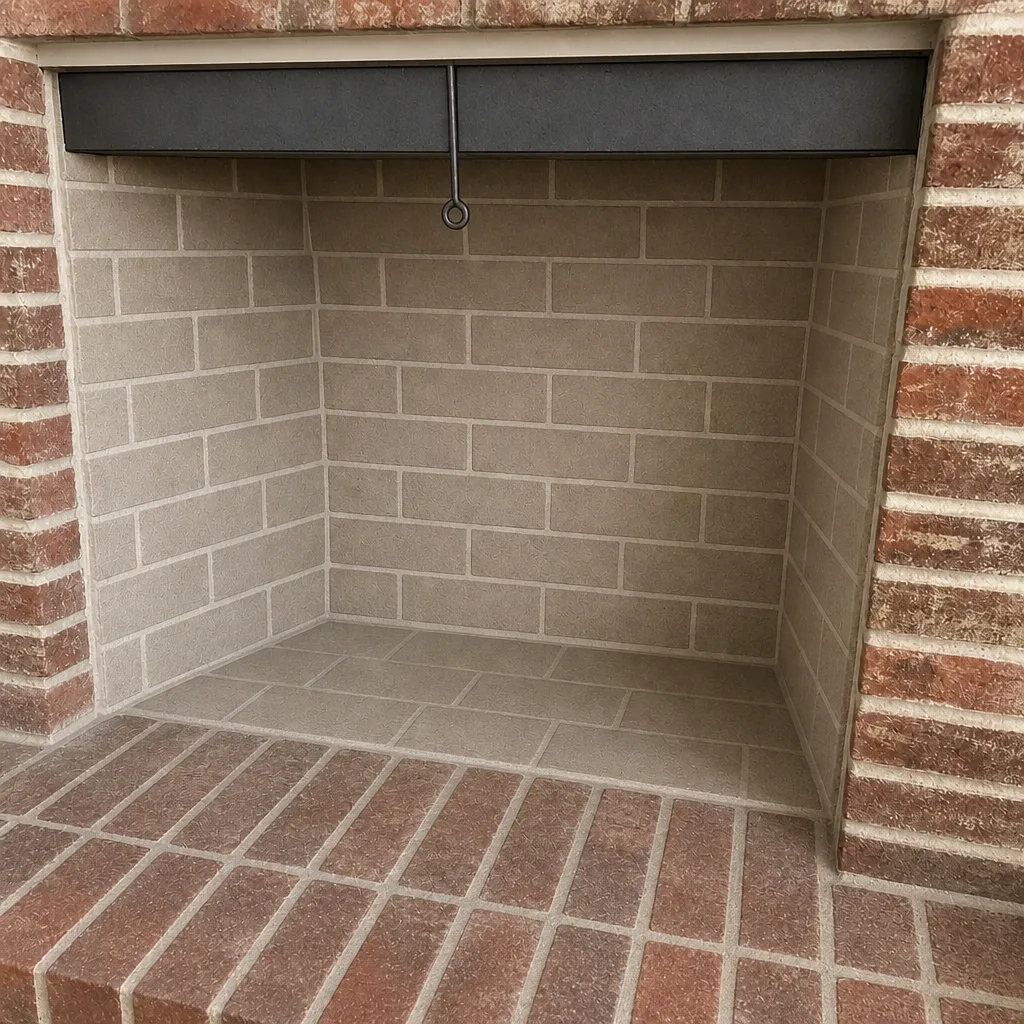
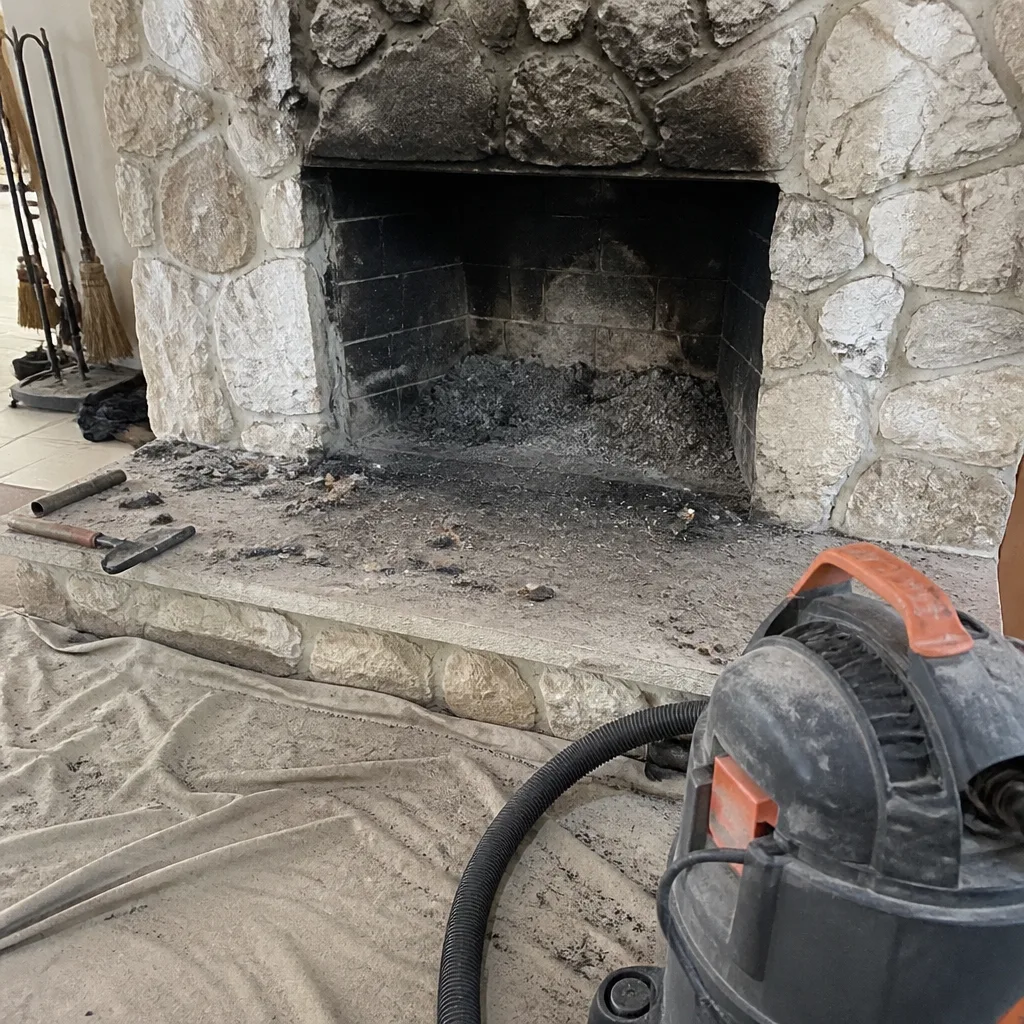
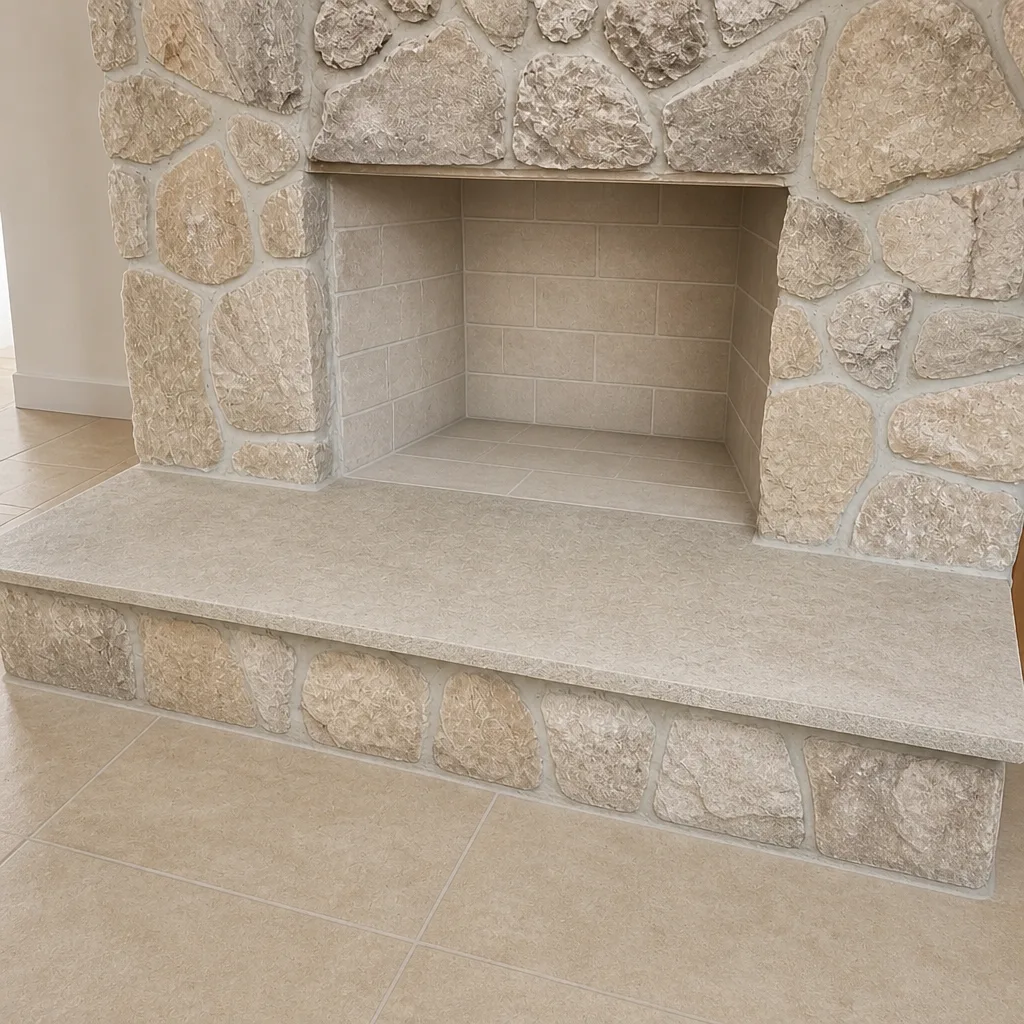
See the difference
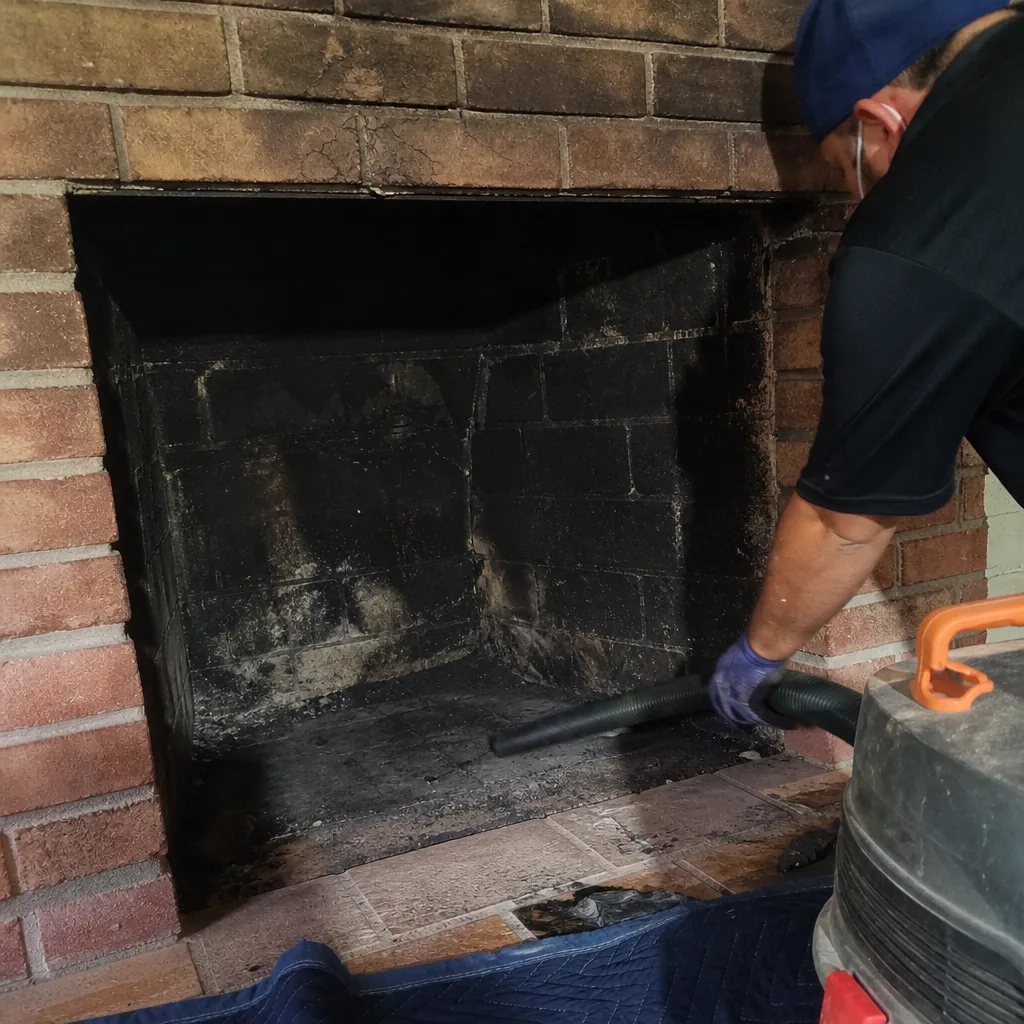 Before
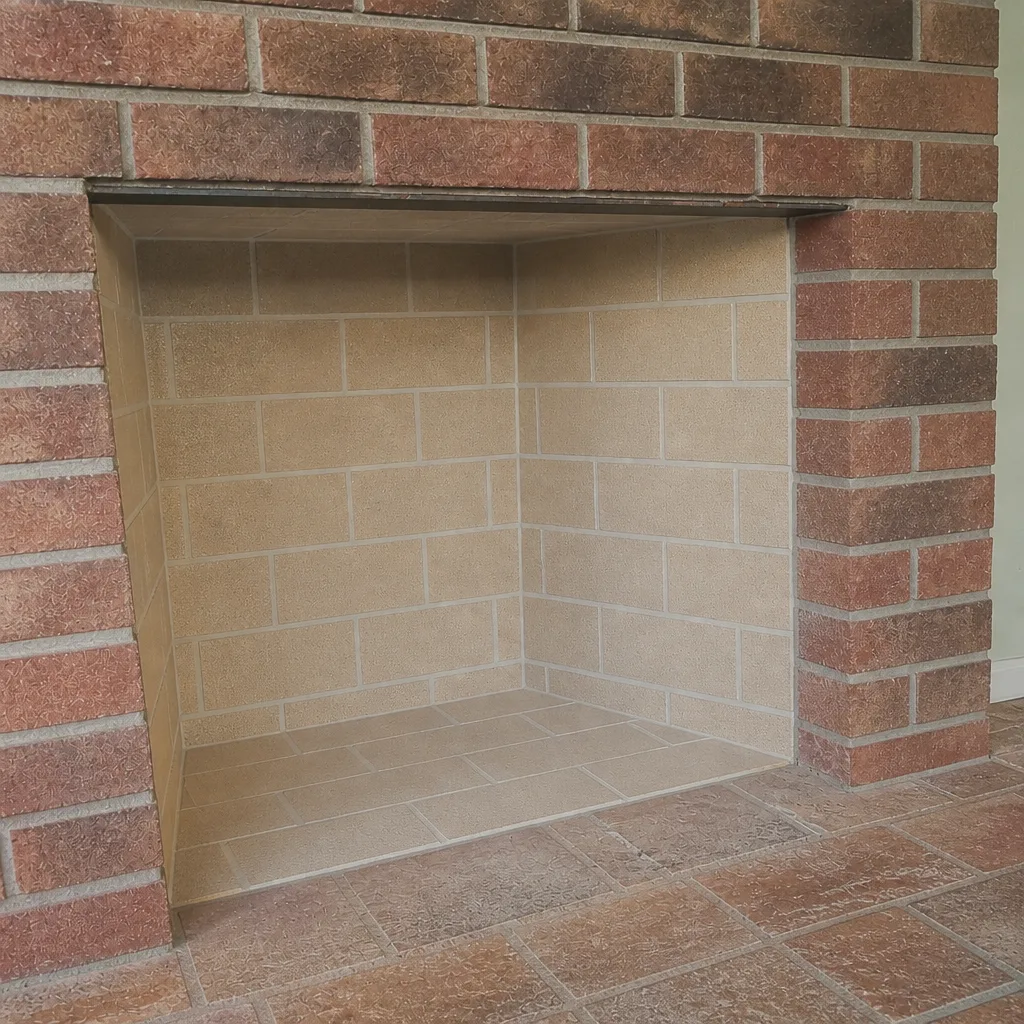 After
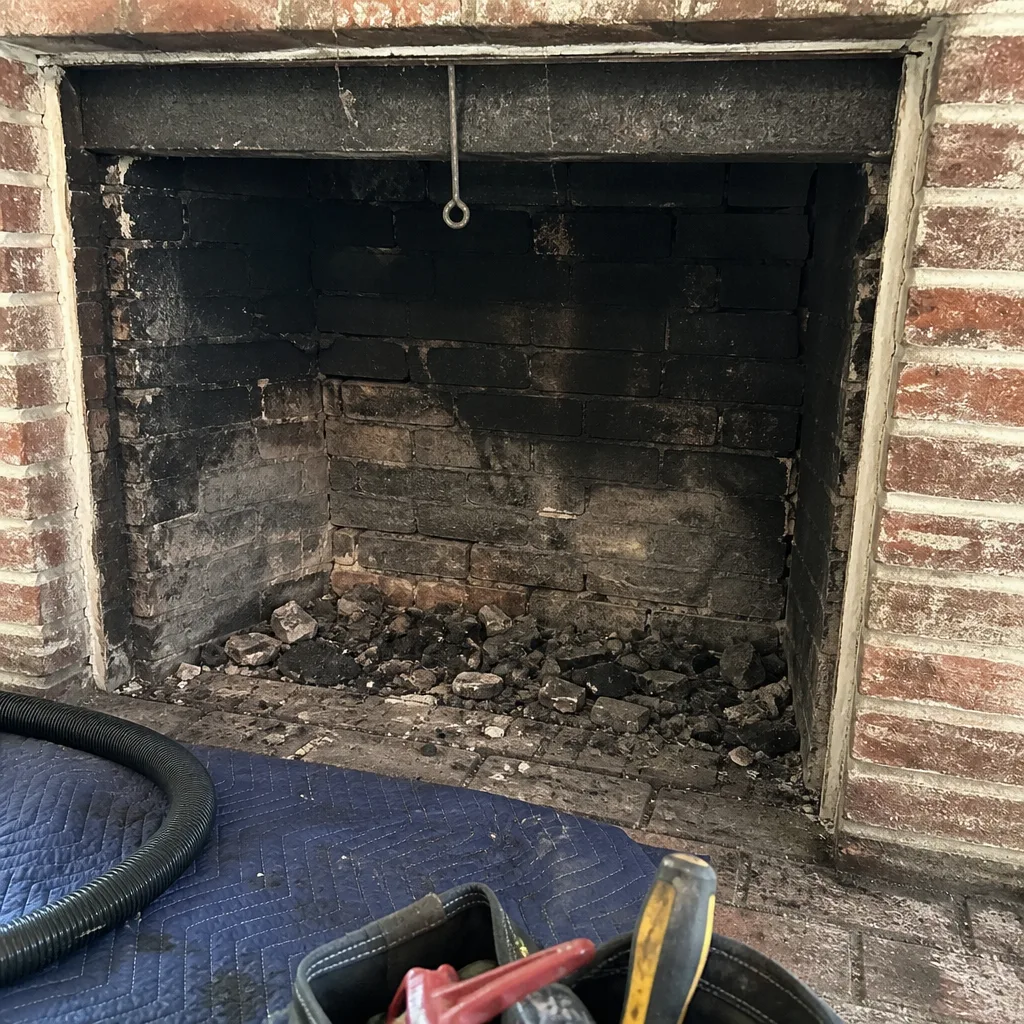 Before
 After
 Before
 After
When to Call a Professional
If you haven’t had the chimney swept in a season or more, it’s time. If the fireplace smells like smoke when it hasn’t been used, or the draft is weak, or you see dark staining on the exterior masonry, those are signals a sweep and inspection will explain. A chimney with visible crumbling mortar or a missing cap needs a look before the next fire. So does any dryer that’s taking longer to dry clothes or leaving the vent area warm; the same safety logic that applies to the chimney applies to the dryer vent. Stratford Chimney Sweep offers free estimates in Pompano Beach – call (866) 361-5813. We answer 24/7. Fast dispatch from 7am to 7pm, Sunday through Friday, closed Saturday.
Frequently Asked Questions
Chimney sweep pricing in the Pompano Beach area is set per job by a written estimate, which is free. The final price reflects the flue configuration, the buildup, and whether repairs are needed; the written estimate sets the final price. Call (866) 361-5813 for an exact quote – estimates are free.
The general rule is once a year if the fireplace is in regular use, and more often if it’s used heavily or burns wood that leaves significant creosote. In Pompano Beach, seasonal use often means a single annual sweep is enough, but an inspection each year catches problems before they become repairs. Call (866) 361-5813 to book an assessment.
Not always. A liner needs replacement when the inspection shows cracking or separation across a significant section, but smaller compromised areas can often be restored with HeatShield resurfacing rather than a full tear-out and replacement. The decision comes from camera evidence you can see, not from a verbal “you need a liner.” Call (866) 361-5813 for an estimate you can evaluate.
Creosote accumulates in the flue with use. Heavy creosote is flammable, and the resulting chimney fire is a serious household risk. Separately, an unswept and uninspected flue can hide a failed liner or blocked vent, which affects carbon monoxide safety. Skipping the annual service means flying blind on both. Call (866) 361-5813 to schedule.
Three: current CSIA certification (verifiable on the CSIA public directory), liability insurance (request a written certificate), and Florida contractor licensing for the repair work (verifiable through the DBPR license search). Each check takes under five minutes, and each one rules out categories of unqualified crews. Call (866) 361-5813 with questions about ours.
With a full-service contractor, yes. That’s the model we follow at Stratford Chimney Sweep: the sweep inspection produces findings, and the same company quotes and performs the repair – liner installation using DuraFlex, flue resurfacing using HeatShield, cap work using Gelco or Olympia Chimney components. The alternative is finding and vetting a second contractor mid-stream. Call (866) 361-5813 for a free estimate.
The Bottom Line
Hiring a chimney contractor in Pompano Beach comes down to a short checklist: verify CSIA certification, liability insurance, and Florida licensing; ask what materials the company carries; ask whether it can perform repairs it discovers; ask for a written scope before the visit and a written report after. The price alone won’t tell you which crew you’re booking. The credentials, questions, and report will. Book a company that can assess a chimney honestly and repair what it finds in the same relationship, even if that means passing on the lowest number in the search results.
Ready to get an assessment? Stratford Chimney Sweep offers free estimates in Pompano Beach and the surrounding area. Call (866) 361-5813 to book a sweep. We answer 24/7. Fast dispatch from 7am to 7pm, Sunday through Friday, closed Saturday. You’ll get a written report with photo evidence, and the estimate will tell you what needs work now and what can wait.
Written by the team at Stratford Chimney Sweep.