
Last updated November 14, 2026
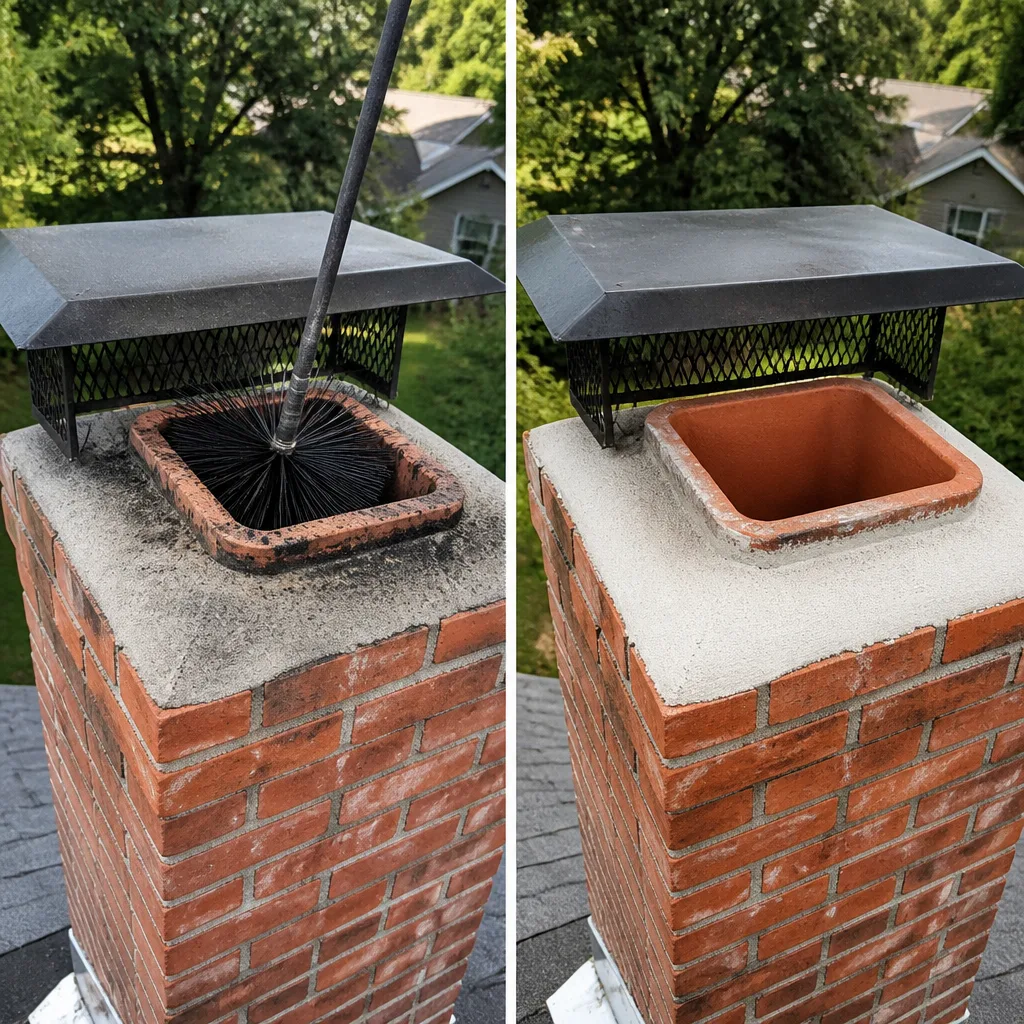 Sweep & inspection
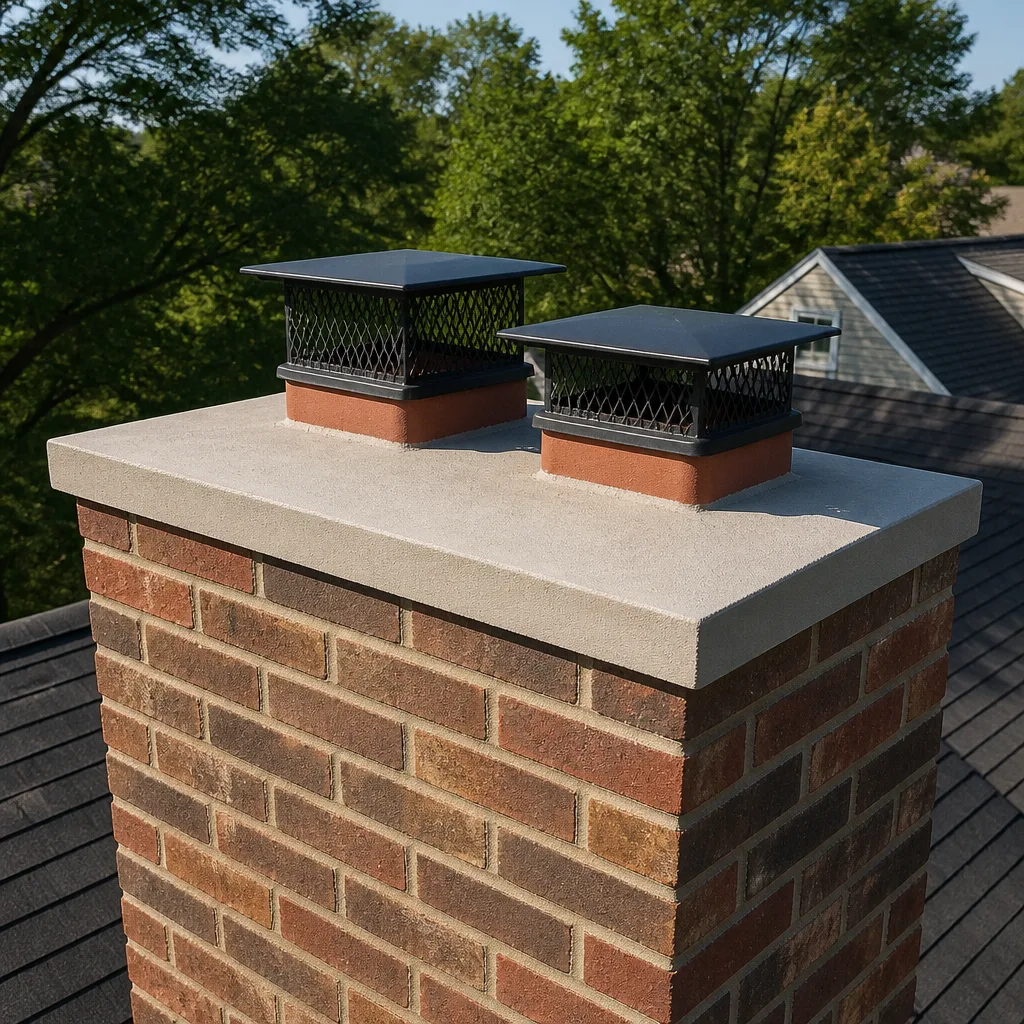 Caps & crowns
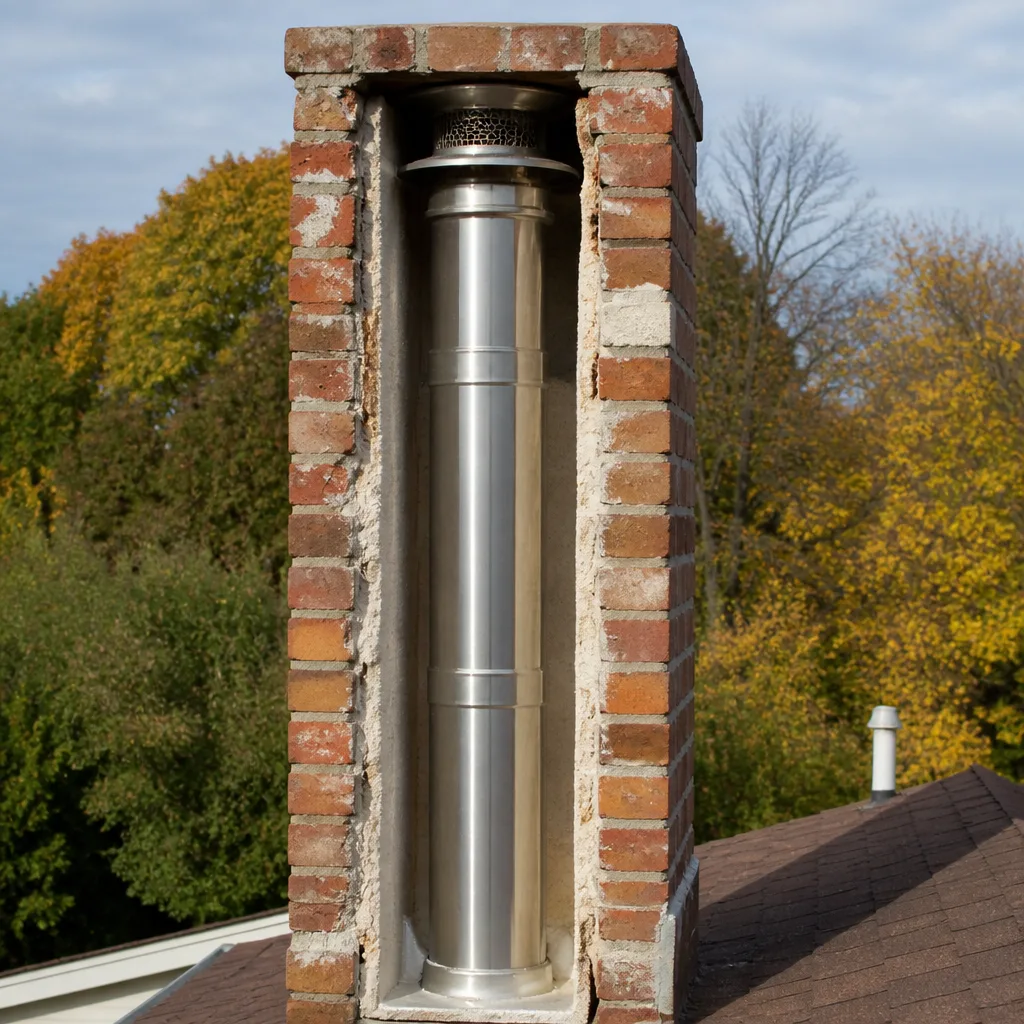 Flue relining
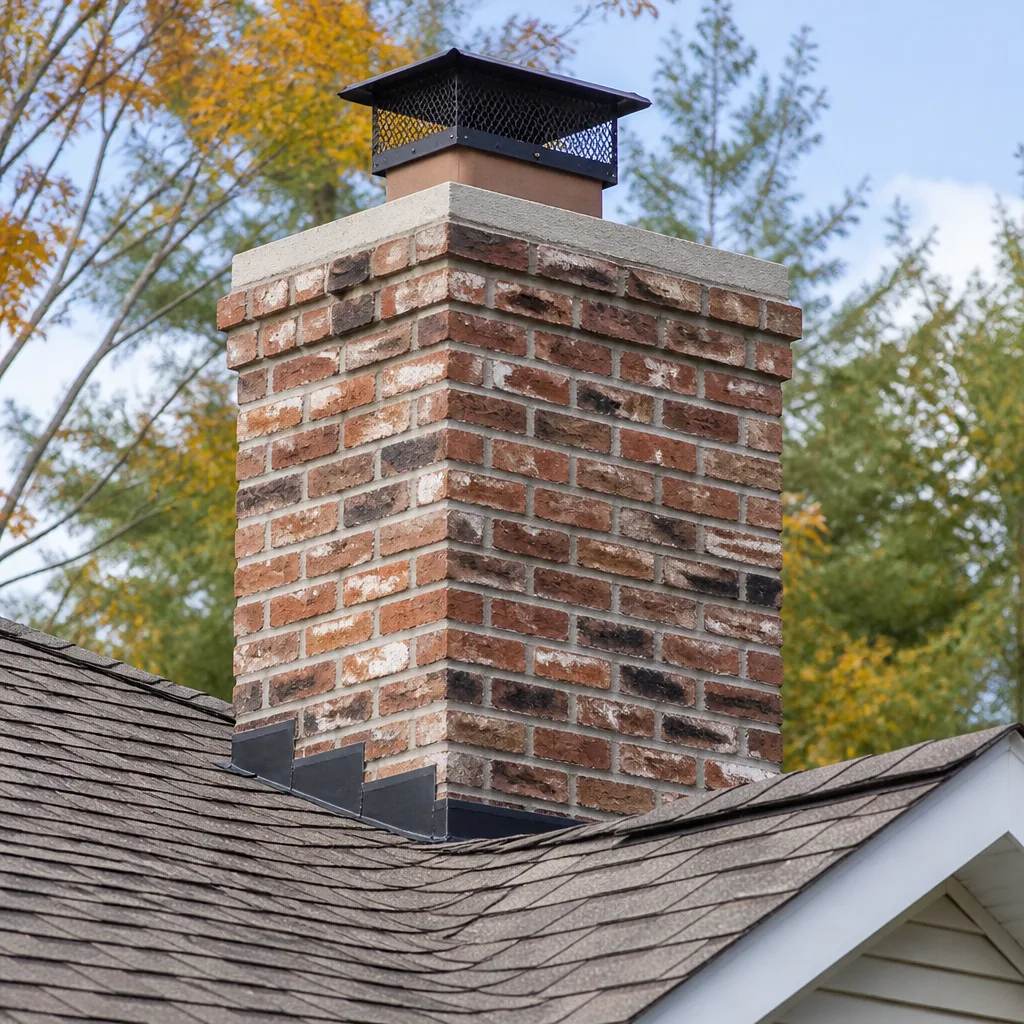 Masonry repair
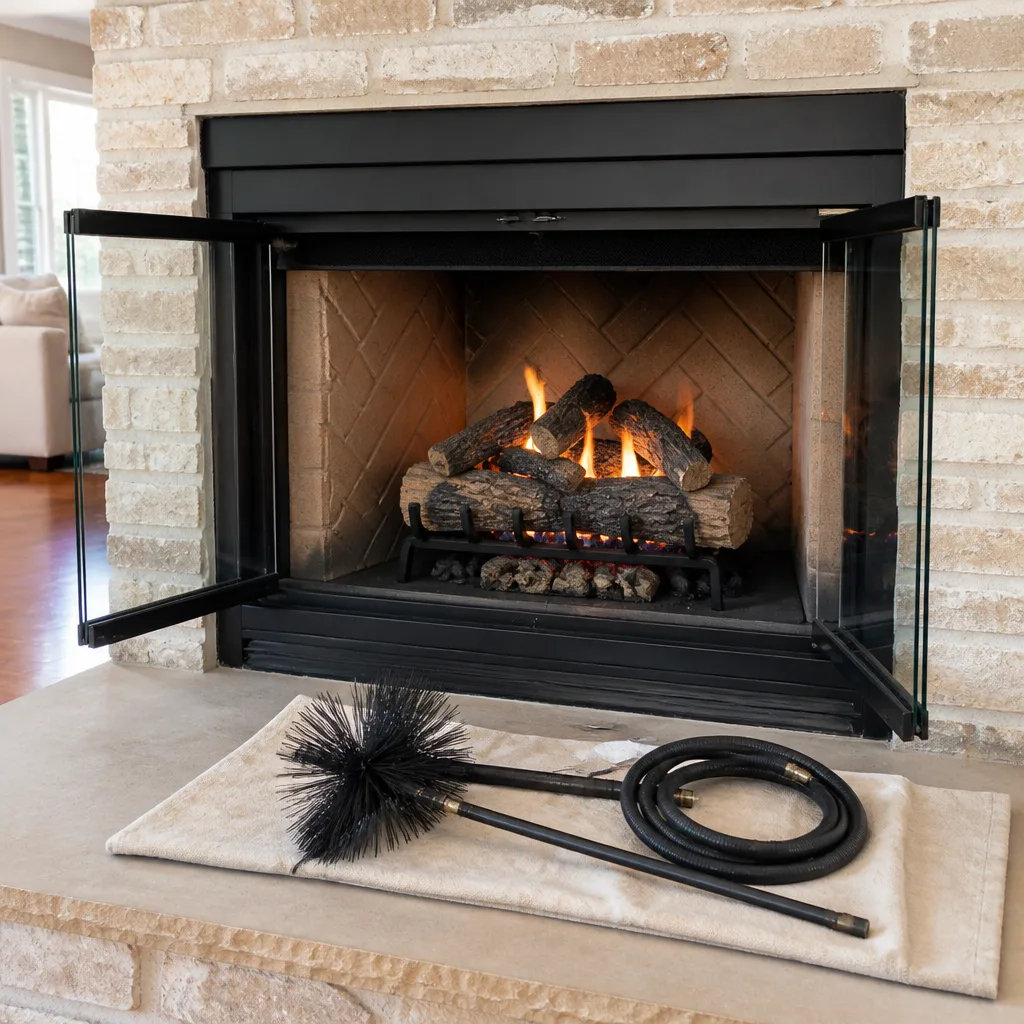 Gas fireplace service
Level 1 sweep and inspection to the NFPA 211 annual standard - flue, crown, cap, and flashing checked and photographed
Chimney sweep logs do not sweep chimneys. They loosen some creosote - which then falls where a brush and vacuum still have to collect it.
DIY vs Professional Chimney Cleaning: The Pompano Beach Homeowner’s Decision Guide
You can buy the same brushes a sweep uses from any fireplace supply site, and they’ll take the soot off just fine. What a brush in a homeowner’s hands won’t do is tell you whether your flue liner has a crack that’s been letting carbon monoxide drift toward the rooms where your family sleeps. That’s the part of the DIY-versus-pro debate most articles skip. In Pompano Beach, the tools are the easy question. The hard question is assessment. This guide maps exactly what you can maintain yourself, where DIY genuinely ends, and how South Florida’s humidity changes the creosote math in ways a wire brush can’t correct.
Quick Answer
A homeowner can safely handle light firebox cleanup, exterior cap and flashing checks from the ground, and damper function testing. Everything that involves the inside of the flue – creosote stage assessment, liner camera inspection, glazed deposit removal, and flashing resealing on the roof – needs professional equipment and trained eyes. In Pompano Beach, the humidity means creosote glazes differently than it does up north, and a brush alone often leaves stage-2 deposits behind. A professional sweep also hands you a condition report you can’t produce yourself. That report is the real product.
Styles & brands we work with
- Sweep & inspection
- Caps & crowns
- Flue relining
- Masonry repair
- Gas fireplace service
Table of Contents
- What DIY Chimney Cleaning Can Honestly Handle
- Where DIY Ends: The Tasks That Need Professional Equipment
- Why South Florida Humidity Changes the Creosote Math
- The Three Stages of Creosote and Why DIY Misses Stage 2
- The Diagnostic Report: The Part You’re Actually Paying For
- Insurance, Liability, and What an Unprofessional Cleaning Costs You Later
- Where DIY Fits in a Yearly Chimney Routine
- A Cost-Benefit Comparison That Includes the Report
What DIY Chimney Cleaning Can Honestly Handle
There’s a legitimate middle ground, and it’s narrower than most DIY guides admit. You can maintain your fireplace between professional visits without touching the flue, and doing so genuinely reduces wear on the chimney. These are the tasks we’d hand a capable homeowner without hesitation:
- Firebox debris removal. Ash, leftover wood, and unburned kindling collect at the base, and removing it after the firebox has fully cooled keeps moisture and odor down. Use a metal scoop and a metal bucket. Ash that sits through a humid Pompano Beach summer can turn corrosive against the firebox floor.
- Cap and exterior visual checks. From the ground with binoculars, look at the chimney cap and screen. A missing cap or torn screen lets rain and animals into the flue. You’re not climbing anything – just looking.
- Damper function testing. Open and close the damper by hand before each burn season. It should move freely and seat flush. A damper that sticks or doesn’t close fully is a call-the-professional item, not a WD-40-and-prayer item.
- Ash pit and grate inspection. Check the grate for warping or cracked bars. Replace a warped grate before the season starts.
- Interior smoke-stain observation. A dark streak above the firebox opening or around the damper tells you something about draft and backdraft. Note it, then report it.
That’s the honest list. Everything inside the flue – the actual cleaning – belongs to a professional chimney sweep. We tell homeowners this plainly because a brush in untrained hands can drag creosote onto the smoke shelf without removing it, and it can miss the deposits that are the whole reason the sweep exists.
Where DIY Ends: The Tasks That Need Professional Equipment
The line between DIY and professional isn’t a matter of effort. It’s a matter of equipment, and some of the equipment is expensive, specialized, and unsafe to use from a ladder. Here’s exactly what a homeowner cannot reasonably do:
- Liner camera inspection. A camera on a flexible rod runs the full length of the flue and shows cracks, gaps, separations, and offset joints. A flashlight from the firebox can’t see past the first bend or up past a smoke shelf. Only a camera can.
- Creosote stage assessment. Distinguishing stage-1 (flaky), stage-2 (glazed, hard), and stage-3 (hardened, fuel-like) requires seeing and feeling the deposits against a known standard. A homeowner can see the color. Judging the stage is a trained call.
- Glazed deposit removal. Stage-2 creosote doesn’t come off with a rotary brush alone. It takes specific tools – scrapers, chemical treatments, or both – and getting it wrong can damage a liner that was still serviceable.
- Flashing resealing. The flashing is the metal collar where the chimney meets the roof. Resealing it means getting on the roof, lifting and resetting shingles or membrane, and applying the right sealant. Roof work is the number-one DIY injury source in this trade, and Pompano Beach’s afternoon storms make timing an issue.
- Flue tile and crown inspection. Cracked flue tiles and a spalling crown are structural problems you can’t see from the firebox. Both matter for fire safety, and both need to be found.
- Draft and pressure testing. A smoke test or draft gauge reading confirms the flue is pulling correctly. Homeowners don’t have the instruments, and it’s not obvious from a fire that burns “mostly fine.”
We’ve seen what happens when a homeowner buys a rotary brush kit and runs it up a flue without knowing the liner type. Sometimes nothing. Sometimes the brush catches a joint or a damaged tile and the cleaning makes a bad situation worse. Professional equipment exists because the flue is a pressure vessel, not a drainpipe.
Why South Florida Humidity Changes the Creosote Math
Here’s the point almost no chimney guide written for a national audience gets right. Creosote doesn’t just form from what you burn. It changes chemically depending on the moisture in the air around it and inside the flue, and Pompano Beach sits in a climate that’s humid most of the year.
Up north, the chimney sits dry through the heating season and the creosote tends to stay in a flaky stage until it’s swept off. In Pompano Beach, the flue absorbs moisture during the long humid months even if you’re not burning. When you light the fireplace in the cooler stretch of the year, wet creosote deposits soften, run, and re-harden in a denser, glazed form. That’s the stage-2 deposit that a homeowner’s brush slides right over. It glazes the tiles, sticks to the liner, and looks, from the firebox, exactly like a flue that just got cleaned.
Add in the behavior of a chimney that sits unused for months at a time – which is common in Pompano Beach because many homes light the fireplace only a handful of evenings per season – and you get deposits that have had time to cure and harden rather than dry and flake. A chimney in a milder climate sees more sweeps because it sees more fires. A Pompano Beach chimney can look neglected and actually be worse than it looks, because there’s less burning to alert the homeowner something’s off.
If you want to understand the local cadence better, the plain answer is this: even a lightly used fireplace benefits from an annual inspection, and the Stratford Chimney Sweep team checks the flue condition on every visit. That inspection is where South Florida’s humidity cases get caught.
The Three Stages of Creosote and Why DIY Misses Stage 2
Creosote forms in three recognizable stages, and each needs different handling. Understanding the stages is the clearest way to see where a brush ends and a professional sweep begins.
- Stage 1 – soot and flaky deposits. Light, brushable, powdery. A homeowner’s brush and a shop vac can remove this. It’s the thin layer that builds up after a few fires. Not a safety issue on its own.
- Stage 2 – glazed, hardened deposits. Dense, shiny, hard to the touch, bonded to the flue wall. A standard brush skips over it. It needs scraping, chemical softeners, or a rotary brush run at the correct speed. This is the stage that creates chimney fire risk, and it’s the stage homeowner brushes most often leave behind.
- Stage 3 – hardened, fuel-like deposits. Nearly like candle wax or tar. Extremely flammable. A brush won’t touch it. Professional chemical treatment and careful removal, and in severe cases a reline, are the only correct responses.
The gap between stage-1 and stage-2 is the whole DIY problem. A homeowner runs a brush up the flue, sees clean walls, assumes the job is done, and doesn’t realize that the shiny glaze underneath is the part that matters. In a Pompano Beach chimney, humidity makes that transition from stage-1 to stage-2 faster and less visible than in a dry climate. You can’t see glazing through a firebox opening. You see it on camera, from inside the flue, at close range.
That’s why a professional sweep uses a liner camera on every job. The camera isn’t a sales tool, it’s how the sweep tells you which stage you’re dealing with and whether you can safely burn this season. If the camera shows glazing, the right repair path in many cases is a professional-grade sweep followed by careful observation, not a full reline.
The Diagnostic Report: The Part You’re Actually Paying For
Homeowners comparing a $20 brush kit to a professional sweep often strip the cost down to the cleaning and skip the report. That’s a mistake, because the report is the more valuable half of the visit. A proper sweep includes the following, and each item is something a homeowner can’t produce:
- Flue camera documentation. Photos or video of the full flue length, showing the liner condition. You keep the record.
- Creosote stage classification. A labeled stage, so you know exactly how much risk exists and whether the fireplace can be safely used.
- Crown and flashing condition notes. What’s cracked, what’s sealed, what needs to be watched.
- Damper and smoke shelf observations. Any functional issue that affects draft or operation.
- Cap and screen status. Whether the cap is doing its job, and whether an animal or rain intrusion is a current problem.
- Liner material identification. What you have – clay tile, a flexible liner, or something else – because the right repair depends on knowing.
- A written recommendation. What’s urgent, what can wait, and what can safely be monitored.
This report is a record. It goes in your file for insurance purposes. If you sell the house, it goes to the buyer. If you need warranty work on a stove insert, it’s the proof of proper maintenance. The cleaning is necessary. The report is what makes the cleaning useful over the long term, and it’s why a $20 brush and a professional sweep aren’t really the same product.
Insurance, Liability, and What an Unprofessional Cleaning Costs You Later
Here’s the scenario most DIY chimney articles ignore, and it’s the one that matters if something goes wrong. Say you sweep your own chimney, and eighteen months later a chimney fire damages your roof. You file an insurance claim. The adjuster asks who maintained the chimney. You have no documentation. What happens next isn’t a legal penalty – it’s an underwriting question. Many policies expect reasonable maintenance, and a lack of professional service records can become part of that conversation.
We’re not insurance agents and we don’t want to overstate this. What we can say is that a professional sweep gives you a written maintenance record you can produce. That record differentiates a homeowner who can demonstrate due care from one who can’t. It also gives the insurer a professional contractor to contact if questions arise about the flue condition at the time of the cleaning.
The bigger liability picture is subtler. A homeowner-run brush cleaning that misses stage-2 glazing creates a paper trail that says “maintained” while the actual flue condition says otherwise. If a chimney fire damages the structure above the flue, that mismatch is uncomfortable to explain. Professional documentation keeps the story consistent.
There’s also a direct homeowner-safety point. Chimney fires don’t always announce themselves. A slow, limited chimney fire can happen inside the flue and be out by the time the fire department arrives, with visible damage only on inspection. A homeowner might miss the signs of a small chimney fire – warped damper, cracked flue tile, discolored cap – for months, because nobody’s looking inside the flue. That’s the part of the safety case that has nothing to do with paperwork and everything to do with what a trained sweep sees.
Where DIY Fits in a Yearly Chimney Routine
The practical answer is that DIY and professional service aren’t opponents. They cover different jobs in the same yearly routine. A good Pompano Beach routine looks like this:
- Before the season starts: Clear the firebox of ash, inspect the grate, and test the damper by hand.
- Before the season starts: Do a ground-level visual check of the cap and screen with binoculars.
- Before the season starts: Book a professional sweep and inspection. This is the appointment that produces the report and catches everything you can’t see.
- During the season: Burn dry, seasoned wood. Wet wood makes creosote form faster, and in Pompano Beach’s humidity, wood can absorb moisture any time it’s left uncovered.
- During the season: Watch for backdraft, smoke smell on cold nights, and any change in how the fireplace draws.
- After the season: Empty the firebox again, and check the cap for storm damage. South Florida’s summer storms are hard on caps and flashing.
Book the professional visit before the first real fire of the season. In Pompano Beach, the fireplace season aligns with the cooler months, and the sweep calendar fills up fast. Getting the appointment booked early in the fall gives you time for any repair the inspection finds, and it means the firebox is clean and the flue is documented before you burn.
Between those professional visits, if you notice an animal in the chimney, a strong smoke smell, or a visible crack in the firebox wall, that’s a call, not a DIY project. Small problems inside a flue don’t stay small.
A Cost-Benefit Comparison That Includes the Report
Here’s the honest cost picture, laid out with the report included rather than stripped off. Estimates in Pompano Beach vary by chimney condition, roof access, and what the inspection finds, but the ranges below are typical for the local market. The written estimate sets the final price – these are not quotes.
- DIY brush kit: Approximately $40-$120 for the brushes, rods, and a respirator. No inspection, no report, no camera. You’re paying for tools and getting a cleaning that may miss stage-2 glazing.
- DIY plus a professional inspection later: $40-$120 for the kit plus the professional visit you still need. The cleaning is duplicated. In practice, homeowners who go this route end up paying for two cleanings.
- Professional chimney sweep and inspection: Typically $180-$350 in Pompano Beach for a standard sweep with a camera inspection and a written report. The visit includes the diagnostic work a brush kit can’t produce.
- Professional sweep plus minor repair: Typically $350-$650 when the inspection finds flashing work, a cap replacement, or stage-2 removal needing specialized tools. The estimate is set once the camera shows what’s actually there.
- The avoided cost: A chimney fire that damages the flue, roof, or structure is the type of repair most homeowners never budget for. A sweep doesn’t prevent every failure, but a professional inspection is the only way to know the risk you’re running.
The real comparison isn’t $20 versus $300. It’s $20 versus $300 plus a written record of the flue’s condition plus the trained eyes needed to catch what a brush leaves behind. Once you account for the report, the professional service pays for itself the first time it catches something the homeowner would have missed.
For a deeper look at the cost picture in this market, the Pompano Beach service page covers what a typical sweep and inspection includes. Most homeowners we talk to are surprised at how much of the visit is diagnosis, not cleaning.
Common Mistakes to Avoid
- Burning green wood for months and then sweeping once. Wet wood produces creosote faster than dry wood, and one sweep doesn’t fix a season of heavy deposition. In Pompano Beach’s humid climate, wood stored uncovered absorbs moisture even in the cooler months. Burn dry, and sweep based on what the inspection finds.
- Trusting a brush to remove glazed deposits. Stage-2 creosote is hard and shiny, and a standard brush skips over it. If you don’t know which stage you’re dealing with, you don’t know whether the flue is actually clean.
- Skipping the cap inspection after storm season. South Florida’s summer storms are brutal on caps and flashing. A missing cap after a storm becomes a rain-intrusion and animal problem by the next burn season.
- Using a chimney sweep log or chemical “cleaner” as a substitute for a sweep. These products don’t remove deposits in a full flue. Treating them as a maintenance substitute leaves the actual safety work undone.
- Assuming a lightly used fireplace doesn’t need inspection. Pompano Beach fireplaces are often used a few evenings per season. Less burning means the homeowner has less warning when something’s wrong, and humidity does damage a lot of the work during the off months.
- Hiring a cleaning-only crew when the flue shows damage. If the inspection finds cracks, glazed deposits, or a failing liner, you want the same professional to handle the repair. Splitting the cleaning and the repair across two contractors adds confusion and cost.
- Doing the roof-level checks yourself. Getting on a Pompano Beach roof after a summer storm is genuinely dangerous, and flashing work is precise. This is the one category of DIY chimney work that should never happen at home.
See the difference
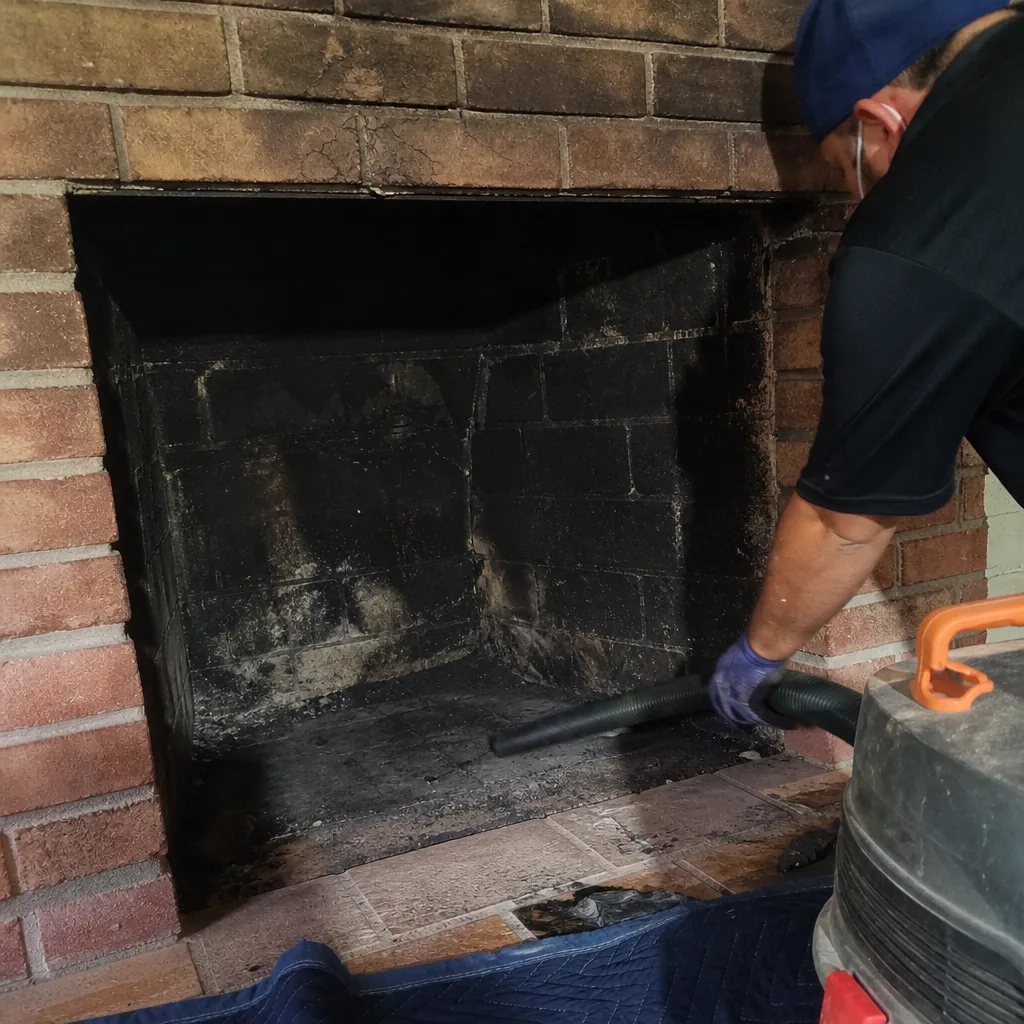 Before
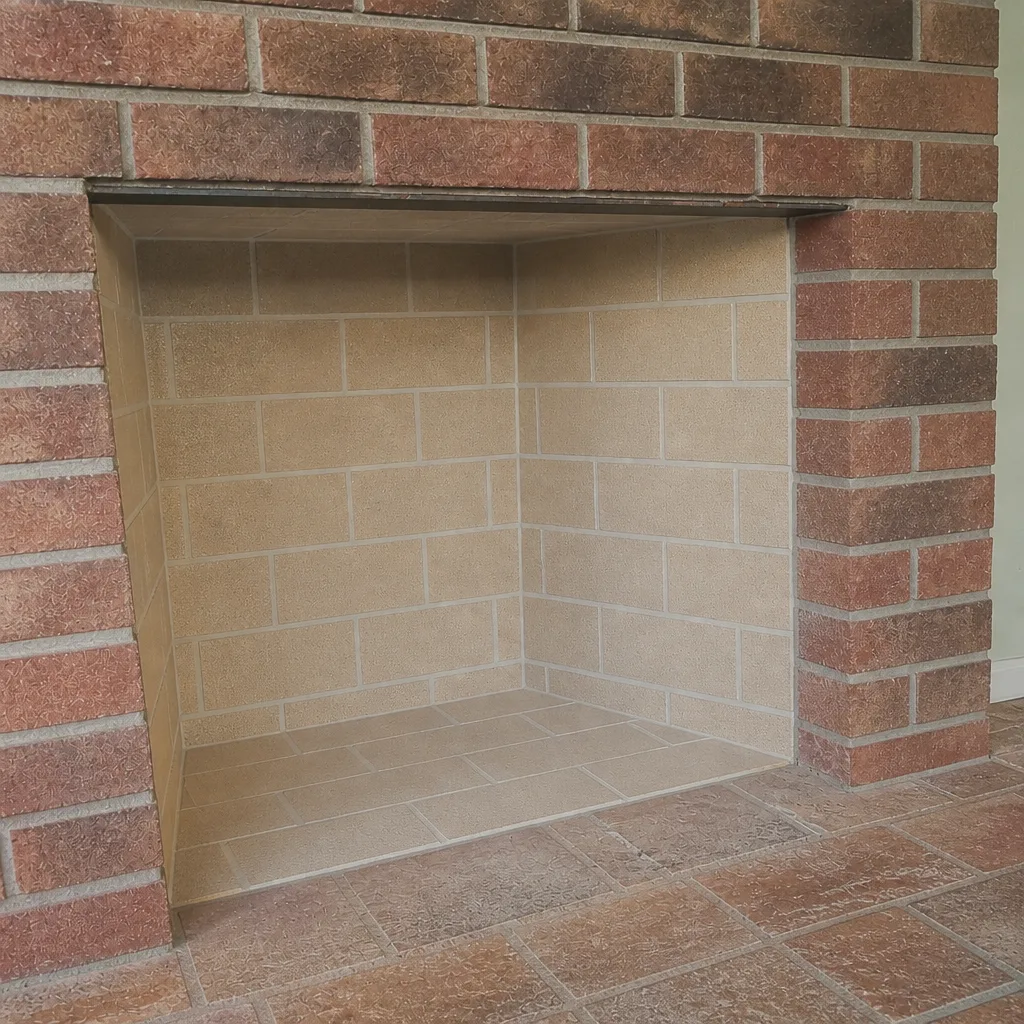 After
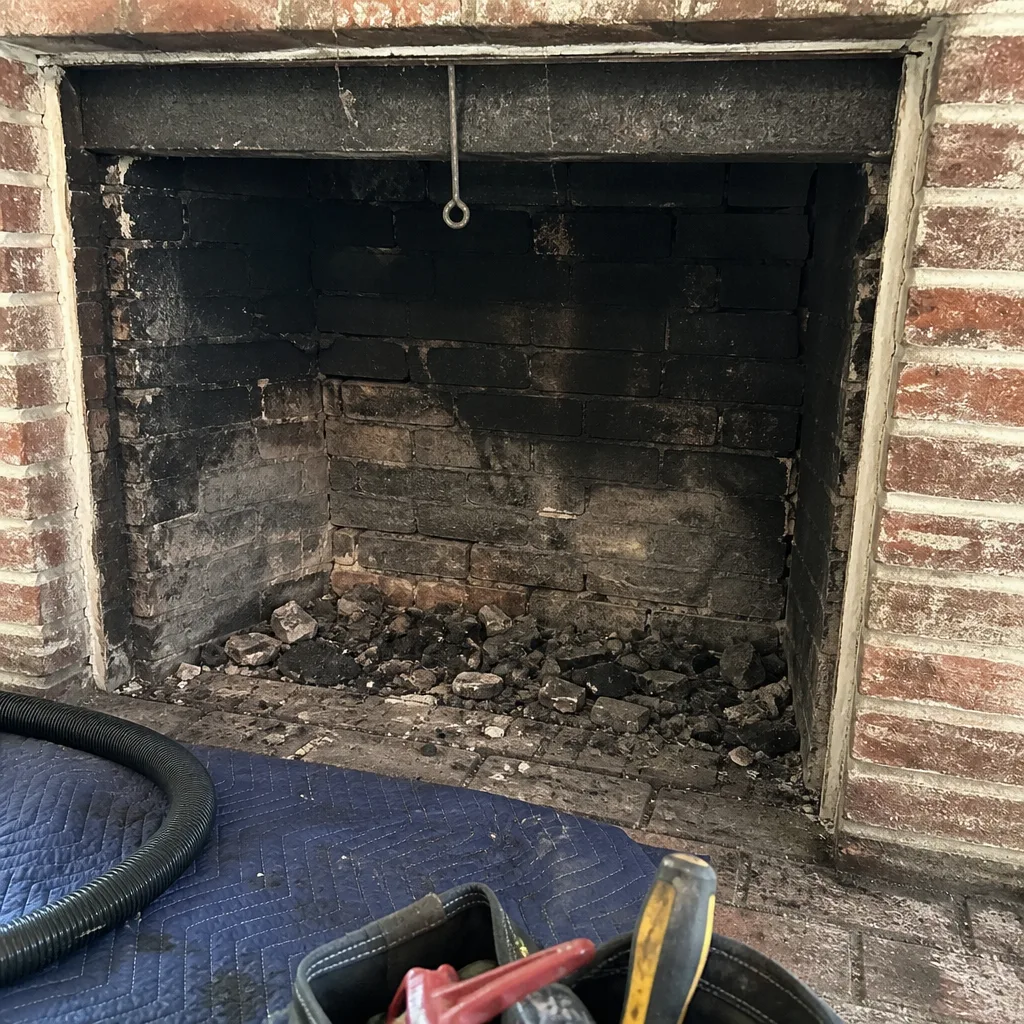 Before
 After
 Before
 After
When to Call a Professional
Some situations aren’t borderline. Call a professional if you see smoke coming back into the room during a fire, smell smoke in the house when the fireplace isn’t burning, or notice visible damage to the firebox or damper. Call if the cap is missing or torn, if you see water stains on the ceiling near the chimney, or if the flue has any visible cracking above the firebox. Call if the fireplace hasn’t been inspected in two or more years, regardless of how little it’s been used. Call if you’re buying a home with a fireplace and there’s no recent inspection record. And call if the last technician was a cleaning-only crew and you don’t have a written report. Stratford Chimney Sweep offers free estimates in Pompano Beach – call (866) 361-5813. We answer 24/7. Fast dispatch from 7am to 7pm, Sunday through Friday.
Frequently Asked Questions
A standard chimney sweep in Pompano Beach typically costs $180-$350, including a camera inspection of the flue and a written condition report. Pricing depends on the flue’s condition, roof access, and how much creosote is present. The written estimate sets the final price. Call (866) 361-5813 for an exact quote – estimates are free.
Not always. Many flues that look like they need a full liner replacement can be restored through resurfacing instead. HeatShield is one system that restores a damaged flue wall without a full liner tear-out. The right answer depends on what the camera shows inside your flue – cracks, offset joints, or glazing all point toward different repairs. Nothing gets recommended without camera evidence you can see for yourself. Call (866) 361-5813 and we’ll walk you through what the inspection finds.
An annual inspection is the right baseline, and the cleaning itself depends on what the inspection finds. A lightly used Pompano Beach fireplace can often go longer between full sweeps if the flue stays clean, but the inspection itself should happen every year. In our experience, South Florida’s humidity makes the flue condition harder to predict than the burn count suggests. Call (866) 361-5813 to book an inspection and get a clear answer for your specific flue.
Creosote builds up, glazes, and eventually creates the conditions for a chimney fire. Carbon monoxide can also migrate into the living space if the flue has a crack the homeowner can’t see. Skipping the cleaning doesn’t guarantee a fire, but it removes the only early warning system the flue has. Call (866) 361-5813 before the next burn season – estimates are free.
You can remove stage-1 soot with a brush, and many homeowners do. What a brush won’t do is assess the liner, distinguish stage-1 from stage-2 creosote, or produce a condition report. In a Pompano Beach climate, humidity often pushes creosote into stage-2 faster than the homeowner expects, and a brush leaves that glazed layer behind. Call (866) 361-5813 when you want the flue truly inspected, not just brushed.
A professional sweep includes a full flue cleaning, a camera inspection of the entire flue length, a written condition report, and an assessment of the cap, crown, and flashing. In our work, that report is the part most homeowners end up relying on later. If the inspection finds damage, the same team can quote and handle the repair. Call (866) 361-5813 to book an inspection – estimates are free.
Yes. dryer vent cleaning is one of our three core services alongside chimney sweep and chimney repair, because both vents route combustion products and heat out of the home. Lint buildup in a dryer vent carries the same fire risk profile as a neglected chimney flue, and the inspection approach is similar. Call (866) 361-5813 if you want both vent systems checked on the same visit.
The Bottom Line
DIY chimney cleaning isn’t a mistake in every situation. It’s a mistake when it becomes a substitute for inspection. Cleaning the firebox, checking the cap from the ground, and testing the damper are things a careful homeowner can and should do. The flue itself is a different job. Creosote assessment, liner camera inspection, glazed deposit removal, and flashing work all sit on the professional side of the line, and in Pompano Beach’s humid climate, the deposits a brush misses are often the ones that matter. A professional sweep hands you a written report you can act on. That report is the reason the visit is worth it.
Our technicians have up to 10 years of experience, and we work with professional-grade materials – DuraFlex liner systems, HeatShield resurfacing, Gelco caps, and Olympia Chimney supply – because commodity hardware-store parts don’t hold up in a South Florida chimney. We repair what we find. If the inspection uncovers glazed deposits, a failing cap, or a damaged flue wall, we quote and handle the repair in the same visit, no second contractor needed.
Ready to know what’s actually inside your flue? Call (866) 361-5813. We answer 24/7. Fast dispatch from 7am to 7pm, Sunday through Friday. Estimates are free, and the report is yours to keep.
Written by the team at Stratford Chimney Sweep.