
Last updated November 14, 2026
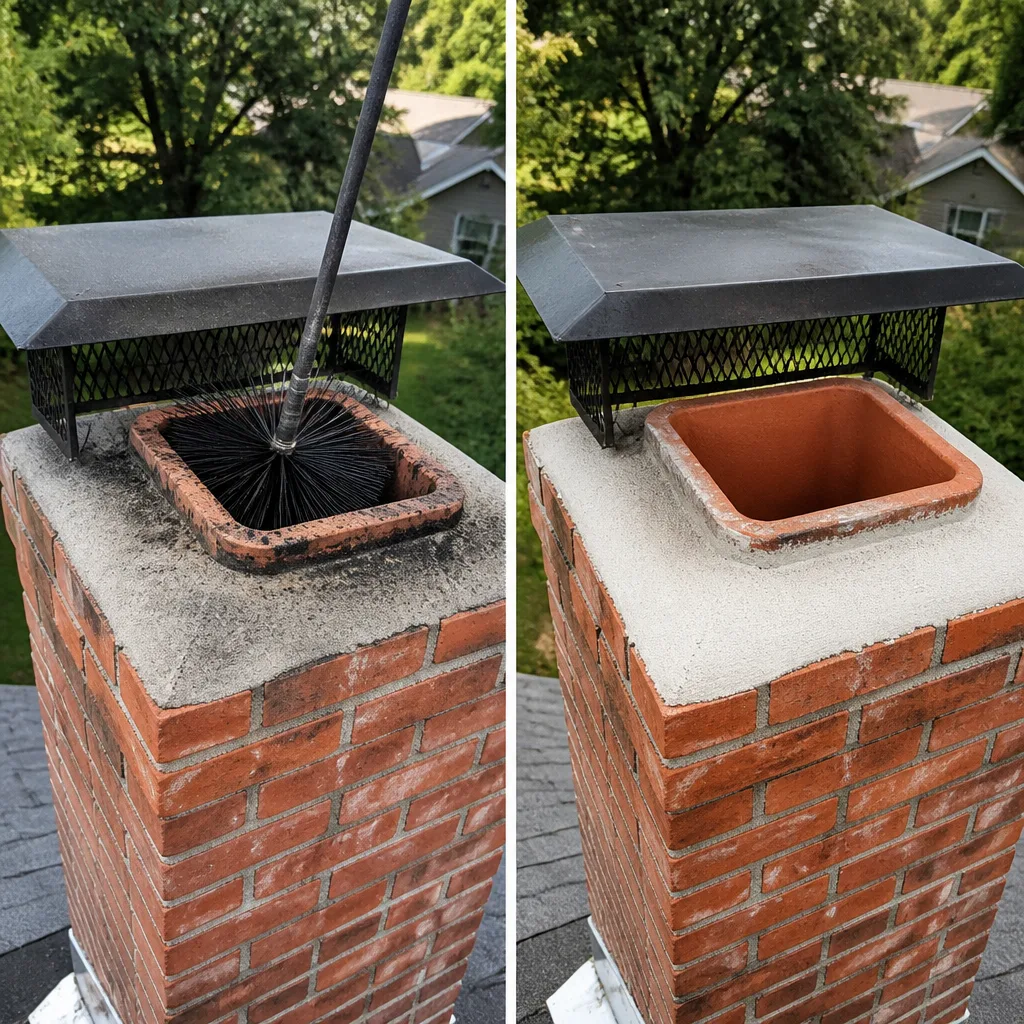 Sweep & inspection
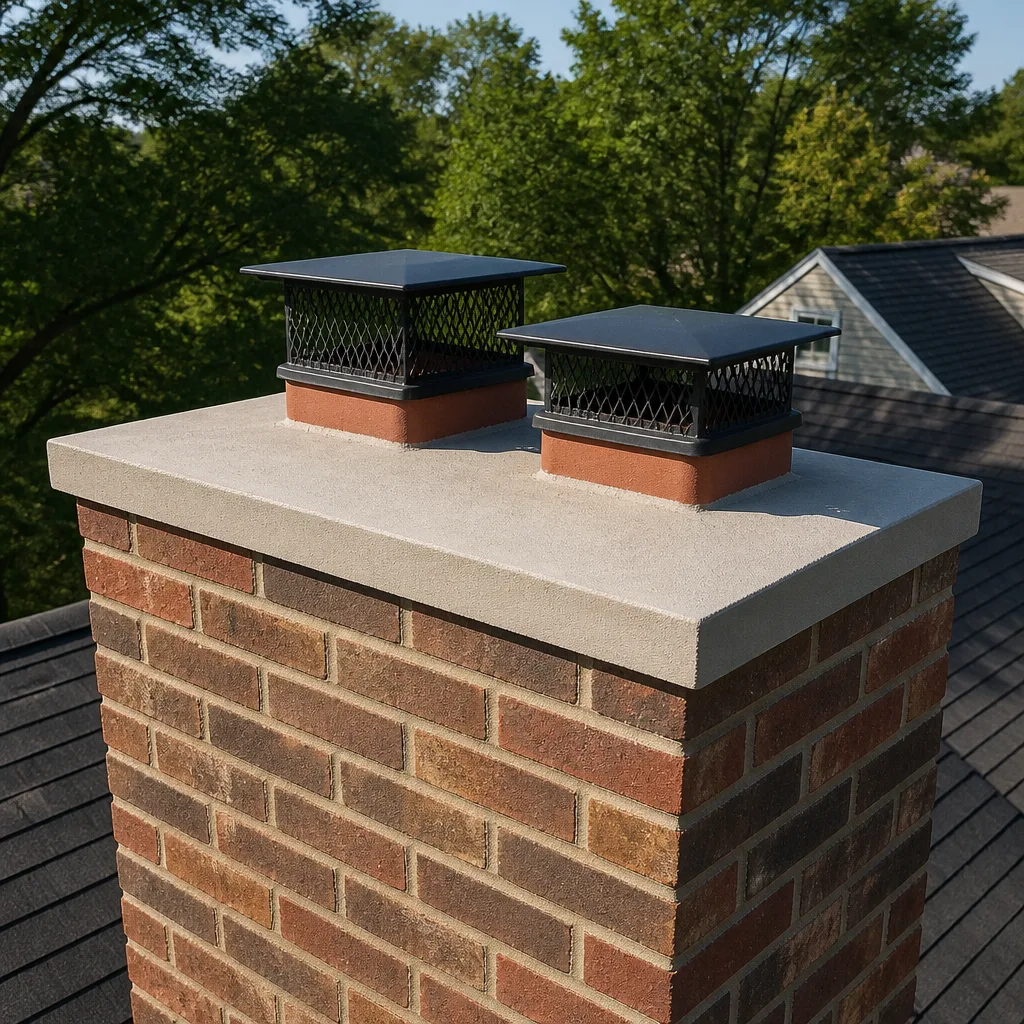 Caps & crowns
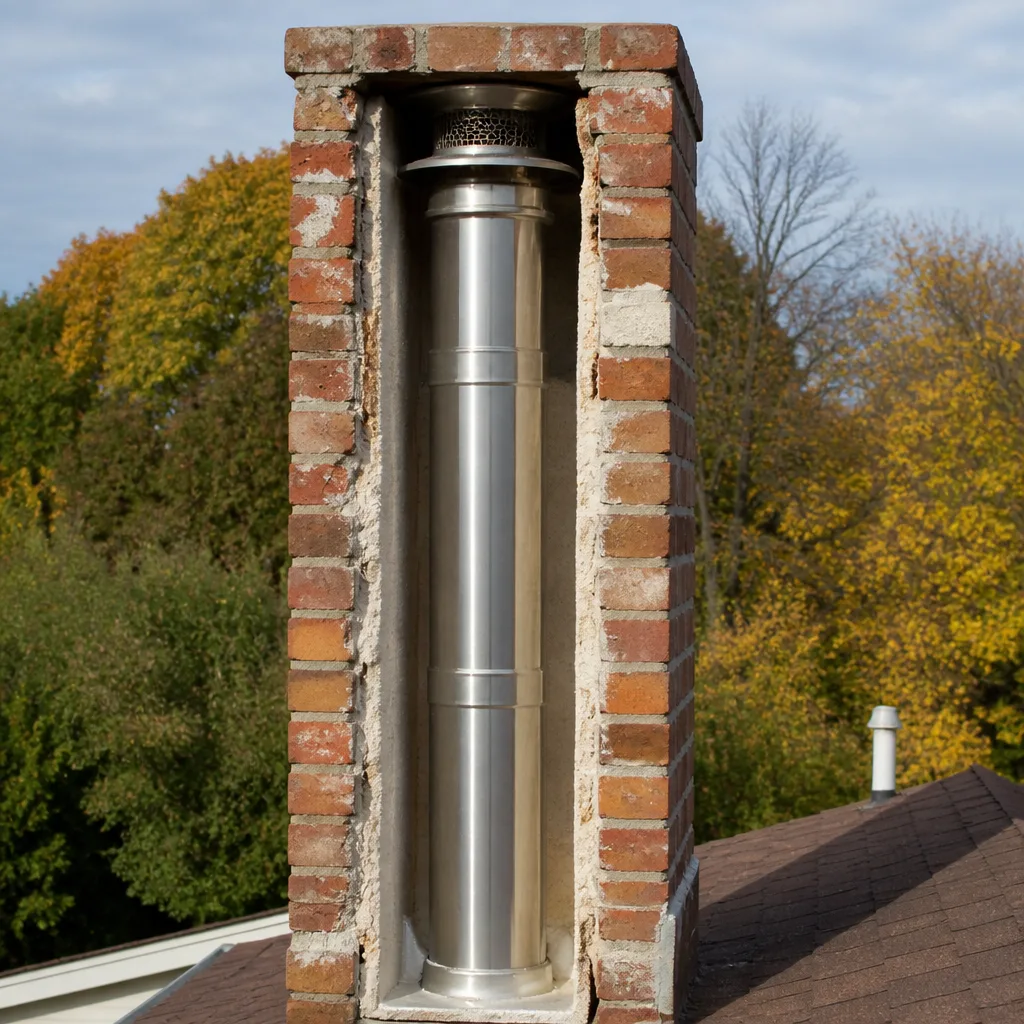 Flue relining
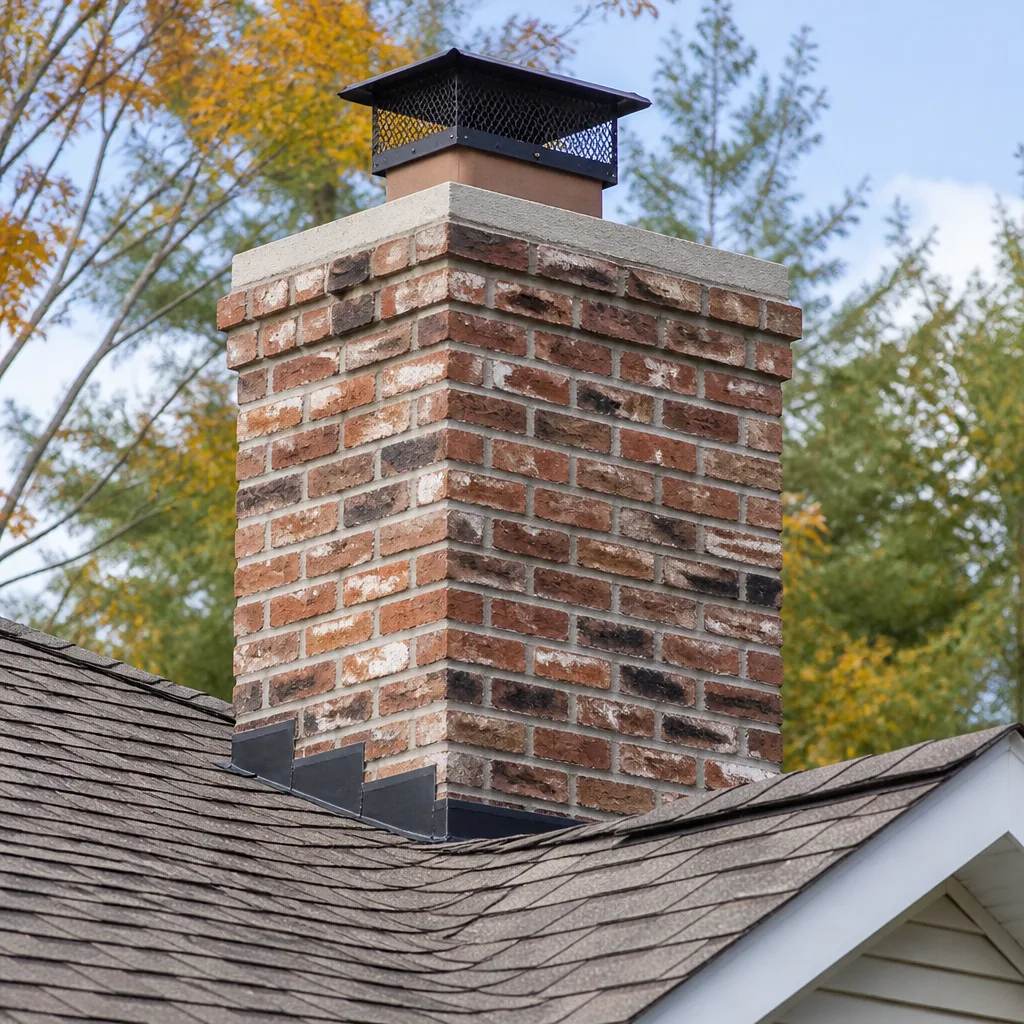 Masonry repair
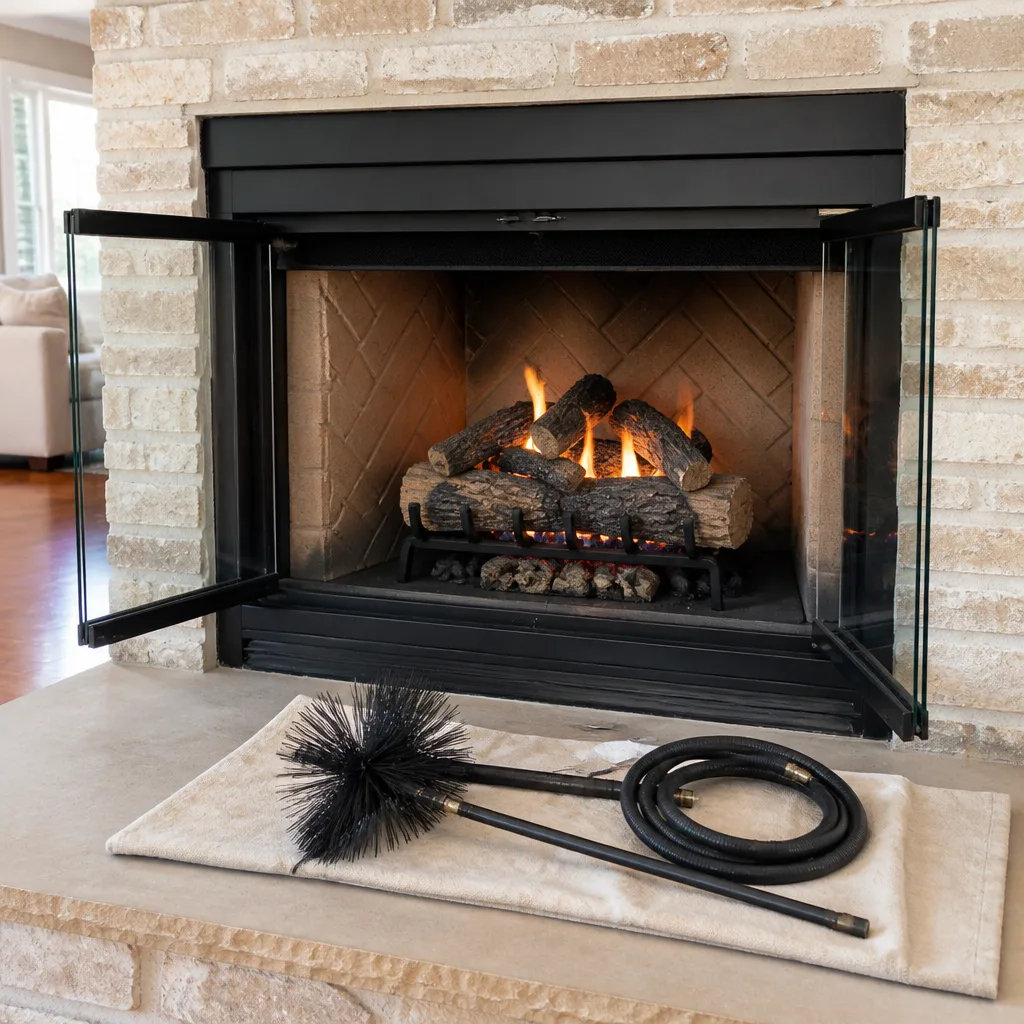 Gas fireplace service
Level 1 sweep and inspection to the NFPA 211 annual standard - flue, crown, cap, and flashing checked and photographed
Chimney sweep logs do not sweep chimneys. They loosen some creosote - which then falls where a brush and vacuum still have to collect it.
Choosing the Right Chimney Cleaning Brand: A Buyer’s Guide for Pompano Beach
There’s no Carrier or Trane of chimney sweeping. No national logo on the cap, no warranty hotline in another state, no brand name your neighbor recognizes from a commercial. Every company you’ll consider in Pompano Beach is a local or regional operator, which means the name on the invoice is really just a wrapper around two things: the training of the person on your roof and the materials they show up with. That changes how you shop. You’re not comparing brand names. You’re comparing capabilities, and whether anyone can prove them. This guide shows you how to read a chimney company’s credentials, spot the difference between professional-grade parts and handyman supplies, and ask the questions that separate a crew that cleans from a crew that can actually fix what it finds.
Quick Answer
Choosing the right chimney cleaning company in Pompano Beach means checking four things: technician credentials (CSIA certification is the baseline), whether the company can repair what it finds instead of just reporting it, what materials they install, and whether their guarantee actually covers structural work. A company that only cleans will always hand you a second problem you have to shop out. A company that sweeps and repairs keeps one accountable party on the job from inspection through the fix.
Styles & brands we work with
- Sweep & inspection
- Caps & crowns
- Flue relining
- Masonry repair
- Gas fireplace service
Table of Contents
- Why There’s No “Brand Name” in Chimney Sweeping
- The Credentials That Actually Matter: CSIA and NFI
- Why “Full-Service” Is the Most Important Word in This Market
- Reading Reputation Beyond the Star Rating
- The Materials Question: What’s Actually on the Truck
- What a Service Guarantee Should Cover
- A Step-by-Step Vetting Checklist
- What’s Different About Chimney Work in Pompano Beach
Why There’s No “Brand Name” in Chimney Sweeping
Compare chimney work to the trades you already know how to shop. HVAC has manufacturer brands with published specs and dealer networks. Roofing has shingle manufacturers whose warranties follow the material, not the installer. Chimney sweeping has neither. The companies doing it are small, owner-run operations or regional firms, and the name on the sign tells you almost nothing on its own.
That’s not a knock on the trade. It’s just the structure of it. Which means the brand decision is really a capability decision. When you hire a chimney company in Pompano Beach, you’re not buying a logo. You’re buying:
- The training and experience of the person who inspects your flue
- The quality of the products they use when something needs repair
- The scope of what they’re allowed and able to touch once they find a problem
- The accountability they carry if the work fails later
Our technicians have up to 10 years of experience, and in that time the pattern is consistent: the companies homeowners regret hiring weren’t dishonest. They were just narrow. They could sweep, and that was the whole business. So the moment the inspection turned up a cracked crown or a deteriorated flue, they handed back a report and left. The homeowner then had to start the search over with a harder problem and a shorter timeline.
That’s the difference this guide is built around. Shop for capability, not for a name.
The Credentials That Actually Matter: CSIA and NFI
Two credentialing bodies come up in chimney work, and they mean different things. The Chimney Safety Institute of America, or CSIA, certifies chimney sweeps, and its exam covers the inspection and sweeping standards of the trade along with venting fundamentals and safety. The National Fireplace Institute, or NFI, certifies technicians on hearth appliances and venting systems specifically. A CSIA-certified sweep is the baseline you want on a cleaning call. NFI credentials tell you something extra about gas and wood appliance knowledge.
What the certifications actually require matters more than the letters. Both demand a proctored exam, and both require continuing education to keep the credential active. That’s the real value. A certification that expires unless you keep learning is a decent proxy for a technician who isn’t coasting on habits from a decade ago.
How to check, in order:
- Ask the company whether their technicians hold CSIA certification, and ask for it in writing on the estimate or invoice.
- Verify the claim directly with the credentialing body rather than taking the phone answer as proof.
- Ask whether the person coming to your home has worked on chimneys specifically, not just general home maintenance.
- Ask if they hold NFI credentials if your home has a gas insert, a wood stove, or any appliance beyond a basic fireplace.
One caution: credentials describe training, not materials. A certified sweep can still install commodity parts. The credential gets your foot in the door with a company. The materials question, covered below, keeps you out of a bad repair.
Why “Full-Service” Is the Most Important Word in This Market
Here’s the structural problem with hiring a cleaning-only crew. A sweep is an inspection tool as much as a cleaning one. Pulling a camera or a brush through a flue tells you what’s actually there: creosote buildup, a cracked flue tile, a failing crown, a cap that’s come loose. That information is the point of the visit. But a cleaning-only company can’t act on any of it.
So you get a report and a referral. Now you’re doing a second search, vetting a second contractor, and trying to reconcile two different opinions about the same chimney. Worse, the repair contractor has no stake in the cleaning work, and the cleaning company has no stake in the repair. Nobody owns the outcome.
A company that sweeps and repairs closes that loop. Problems found during the cleaning can be quoted and addressed by the same operation, in the same relationship. We’ve built our business around that continuum, because it’s both a convenience and a safety advantage: one informed party decides what your chimney needs and then does it.
When you’re evaluating a Pompano Beach chimney company, ask this directly: if you find a problem during my sweep, what can you do about it? The answer splits the market cleanly.
- Sweep-only companies will tell you they’ll refer you out.
- Sweep-and-repair companies will name the repair methods they offer: relining, resurfacing, cap replacement, crown repair.
- Companies with limited repair menus will tell you they can only handle one kind of fix, which means the solution is shaped by their equipment, not your chimney.
A full-service scope here means the sweep, the structural repair work, and the venting side of the house, including dryer vent cleaning. That third pillar matters because lint buildup in a dryer duct is a fire risk in its own right, and most chimney companies stop at the chimney crown and never look at it. Extending the same fire-safety thinking to the laundry room is a useful sign you’re dealing with a company that thinks about the whole house, not just the flue.
Reading Reputation Beyond the Star Rating
A 4.9-star average tells you people were satisfied. It doesn’t tell you what they were satisfied with. Chimney work splits into two very different kinds of reviews, and you need to read them separately: the cleaning reviews and the repair reviews.
Cleaning reviews are easy to earn. Show up, do a tidy sweep, be polite, and most homeowners are happy. Repair reviews are harder and more informative. They tell you whether the company diagnosed a problem accurately, whether the repair held, and whether the price they quoted was the price they charged.
What to look for, in order of usefulness:
- Reviews that name the specific work. “They relined our flue” tells you more than “great service.”
- Longevity signals in the reviews themselves. A reviewer who mentions using the same company more than once, over more than one season, is telling you the relationship held.
- Response to criticism. How a company answers a three-star review says more about how it handles problems than any five-star review does.
- Consistency of the details. If reviewers repeatedly mention the same things, good or bad, believe the pattern.
Then use a second, quieter layer of signals. Ask a neighbor with an older fireplace who they use. Look at whether the company’s website names their products and certification requirements or just lists services. And ask whether the technician carries a camera and shows you photos of what’s in your flue. A company confident in its work will show you the evidence; one that can’t will describe the problem from the ground.
In Pompano Beach, where a lot of the housing stock has been through multiple owners and a lot of fireplaces sit unused for long stretches, these signals matter more than average. Old, idle fireplaces tend to be where deferred problems hide, and a company’s repair reputation is what you’ll lean on when it surfaces.
The Materials Question: What’s Actually on the Truck
This is where the “brand” actually lives in chimney work. There’s no logo, but there are absolutely product tiers, and the difference between professional-grade supplies and the commodity versions available to any handyman is the difference between a repair that lasts and one you repeat.
A real liner isn’t a piece of flexible metal from a hardware store. We install DuraFlex flexible liner systems, which is a professional-grade product that requires trained, practiced handling to size, cut, and seat correctly in a flue. Seating and the connections matter as much as the material. For flue restoration without tearing out the whole liner, we apply the HeatShield system, which resures damaged flues through resurfacing instead of mandating a full replacement. That’s a real capability gap in this trade: most cleaning-only companies can’t offer it, and most avoid mentioning that it exists.
Caps and hardware are the same story. A chimney cap is not a decorative cover. It’s a weather and animal barrier anchored to the crown, and the quality of the fitting and the hardware underneath it decides how long it stays put. We source caps and components from established suppliers like Gelco and Olympia Chimney, along with Famco ventilation products, because these are the parts other professionals use when they’re building to last. It’s not a matter of finding the cheapest hardware-store equivalent.
Ask any company you’re considering these questions:
- What liner system do you install, and how long has your crew been installing that specific product?
- Do you offer flue resurfacing as a repair option, or do you only offer full relining?
- Where do your caps and vent components come from?
If the answer is vague, that’s the answer. “We use the best” tells you nothing. A named product with a described installation method tells you the company knows what it’s doing.
What a Service Guarantee Should Cover
A guarantee on a cleaning is table stakes and almost meaningless. The real question is what happens if a structural repair fails. That’s where the companies split, and where a written guarantee actually tells you something.
A company that stands behind its cleaning work is guaranteeing that a low-risk, repeatable task was done. Fine. A company that stands behind its repair work is carrying real risk. If a relined flue fails or a resurfaced crown cracks again, that’s on the company, and backing it up costs them money. That’s the guarantee worth reading closely.
What to check, in order:
- Scope. The guarantee should name what it covers: the sweep, the reline, the resurfacing, the cap installation, or specific combinations.
- Duration. A repair guarantee with a defined time window is stronger than one with none.
- Remedy. What happens if the work fails? A company that redoes the work is standing behind it. A company that only refunds the fee is limiting its exposure.
- Paper trail. It’s in writing on your invoice, not a verbal assurance on the roof.
The same logic applies to the report you get. Both the guarantee and the report should be specific enough that a second contractor could read them and know exactly what was done. Vague language in either one is a signal that nobody’s actually on the hook.
A Step-by-Step Vetting Checklist
Put it all in one sequence. This is the process we’d want a homeowner using if they were evaluating us.
- Confirm the scope first. Before you compare anything else, ask whether the company sweeps only or sweeps and repairs. The answer determines whether the rest of the checklist matters.
- Verify the CSIA certification. Ask, then check it independently with the credentialing body.
- Ask what liner and repair products they install, by name. Listen for specifics like DuraFlex, HeatShield, or named cap suppliers.
- Ask whether they carry a camera and show you photos. A company that inspects with evidence can explain and stand behind what it finds.
- Read the repair reviews, not just the cleaning reviews. Look for reviews that name specific work and mention repeat relationships.
- Get the guarantee in writing before the work starts. Check scope, duration, and remedy.
- Confirm the price is set by a written estimate, and that the estimate is free. A free estimate is the lowest-cost way to find out what you’re actually dealing with.
- Ask what happens if the sweep turns up something. A good answer names the fix and the price range; a bad answer changes the subject.
Run through that list, and the weaker companies filter themselves out fast. Our chimney sweep starts the same way: an inspection you can see, then a written estimate before anything is quoted or done.
What’s Different About Chimney Work in Pompano Beach
Chimney care in South Florida has one wrinkle most of the country doesn’t deal with: fireplaces sit idle for most of the year. Winters are mild here, and a fireplace might get a few dozen fires a season, or fewer. That’s a different risk profile from a cold-climate home where the chimney runs hard from October to March.
The creosote problem is smaller for most Pompano Beach homeowners. The degradation problem isn’t. Months of humidity, a few storm seasons, and roof work that puts a ladder on the crown are what move the timetable. We routinely find flues and crowns in Pompano Beach that have sat untouched longer than they should have, not because of heavy use but because the fireplace wasn’t on anyone’s maintenance list.
The local implications:
- Annual inspection matters more than annual sweeping. Most Pompano Beach homes don’t need a sweep every single year, but an inspection catches the water-side degradation before it becomes a liner job.
- Caps and crowns take the weather load. The barrier against water intrusion and animal nesting is what degrades here. A cap that’s come loose is a repair, not a cleaning item, so ask about it.
- Dryer vent cleaning belongs on the same maintenance path. Same house, same fire-safety logic, and most chimney companies skip it. If you’re booking a sweep, book the dryer vent at the same time and get both pieces of the house checked in one visit.
Whether you hire us or someone else, ask the local version of the question: what does this chimney need given how this house actually gets used? A company that sweeps to a calendar instead of to the condition of your chimney isn’t really inspecting anything.
Common Mistakes to Avoid
- Choosing on price alone. In this trade, a low cleaning price often signals a sweep-only scope that will hand you a repair problem you have to shop out separately. Cheap at the top of the job frequently means expensive in the middle of it.
- Accepting a “full-service” claim without asking what it covers. Plenty of companies call themselves full-service because they also do dryer vents. Ask specifically whether they reline flues and resurface crowns.
- Not asking what products go into a repair. A liner is not a liner. Ask for the product name, and be suspicious of any answer that stays generic.
- Skipping the camera. If a company describes a problem you can’t see and won’t show you a photo, you have no way to verify the recommendation. Ask.
- Treating the sweep as the annual event and the inspection as a bonus. In Pompano Beach, the inspection is often the more valuable half, because the failures here are usually structural, not creosote-driven.
- Forgetting the dryer vent. It’s the other venting system in the house with a fire risk attached, and it’s almost never on a homeowner’s list. Include it.
- Not getting the guarantee in writing. A verbal promise to “take care of it” is not a guarantee, especially on a repair that involves structural work.
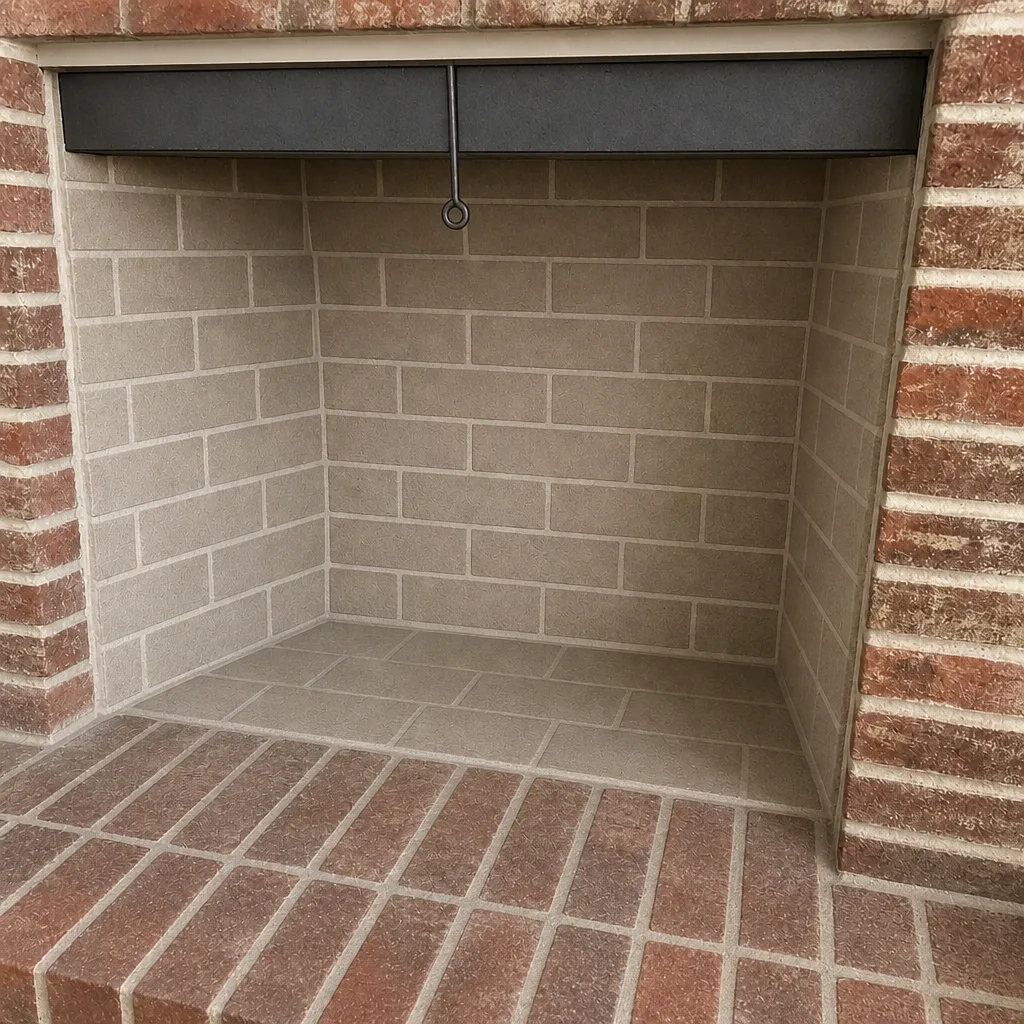
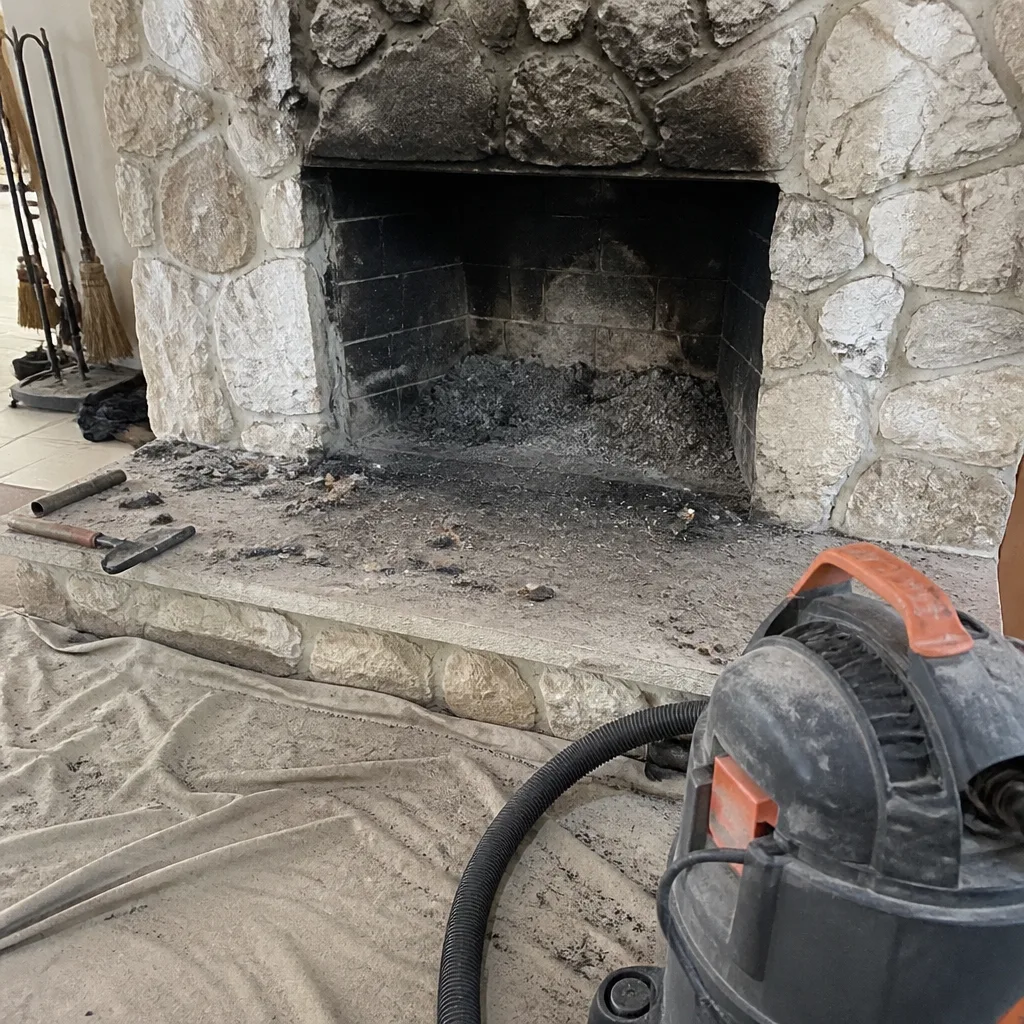
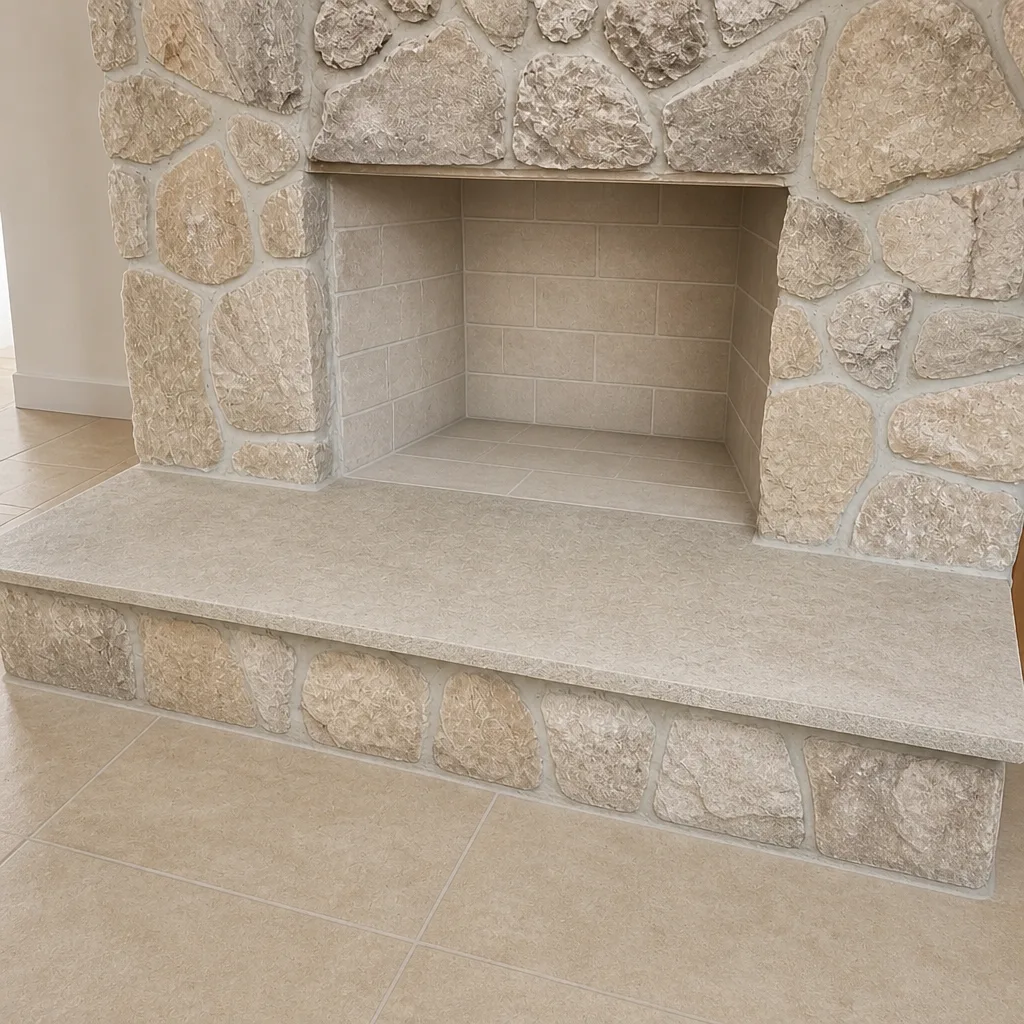
See the difference
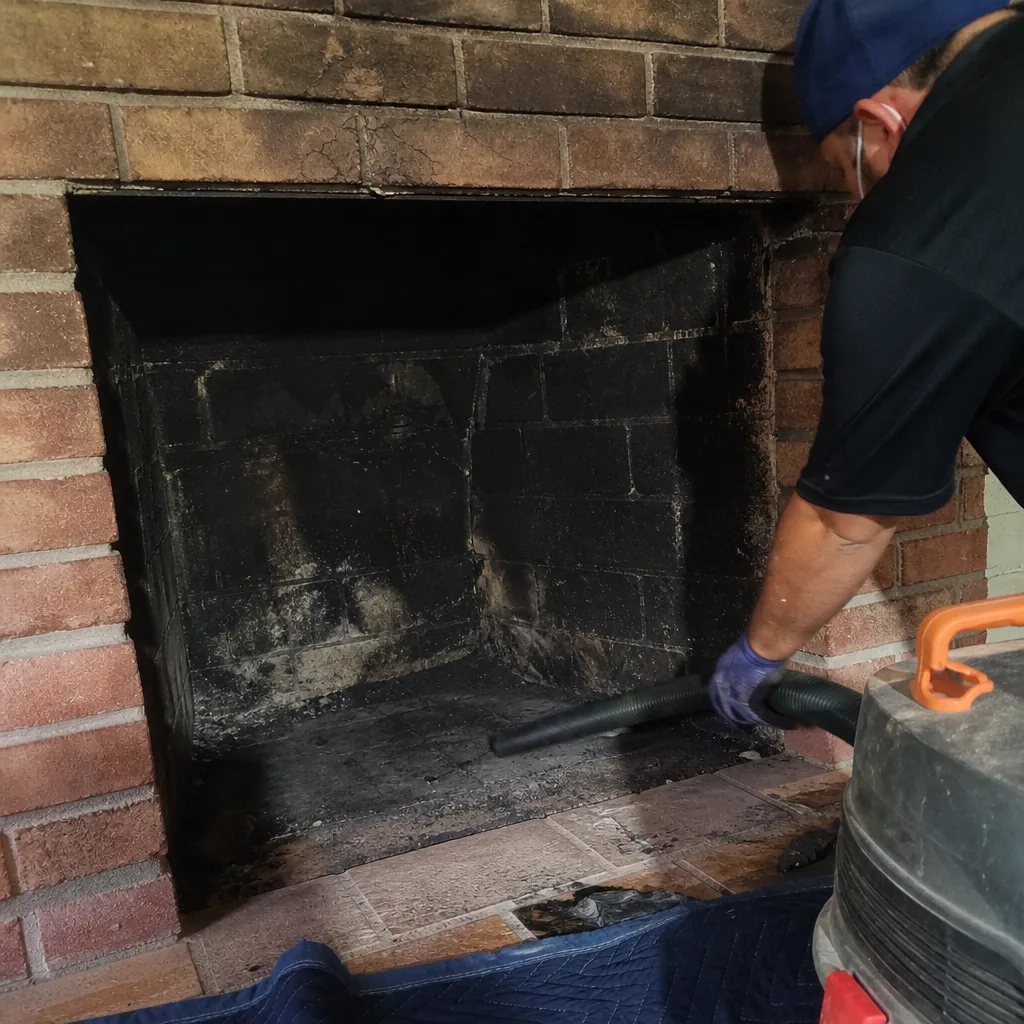 Before
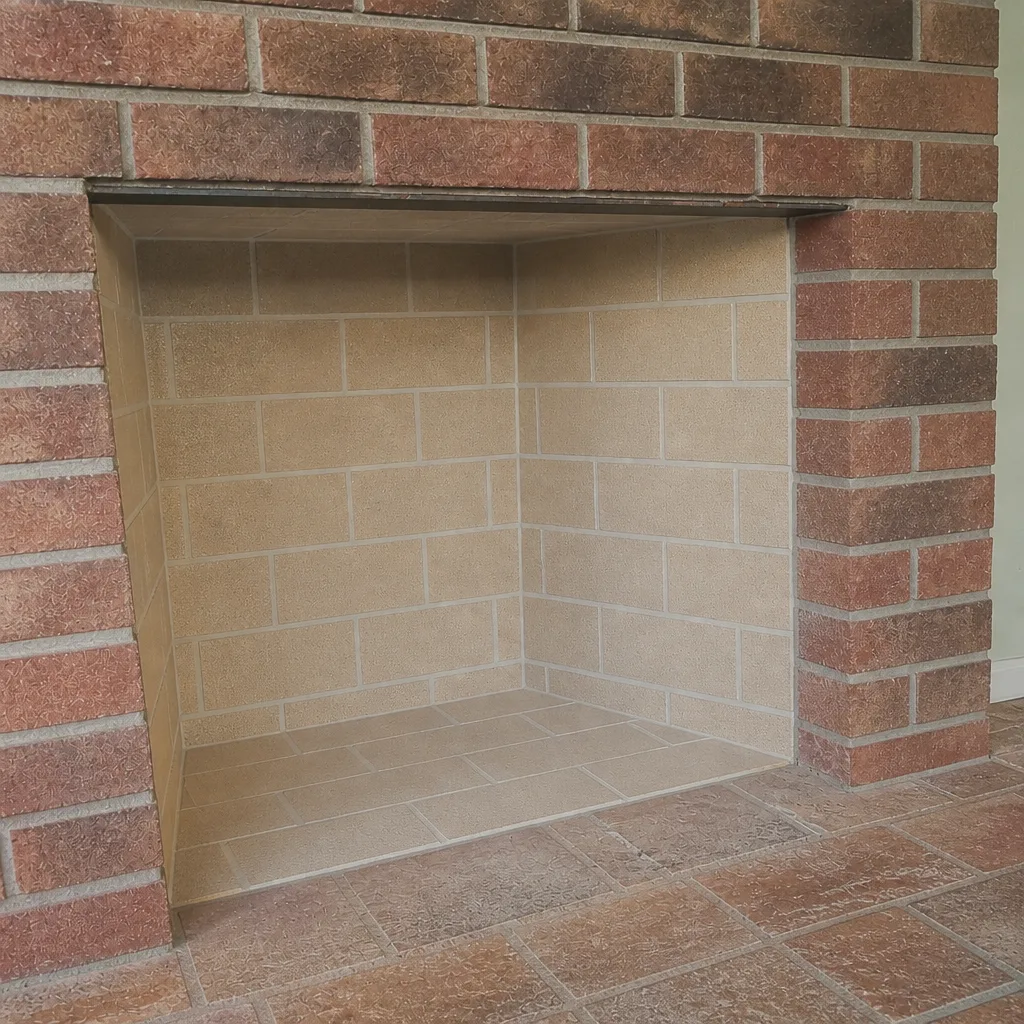 After
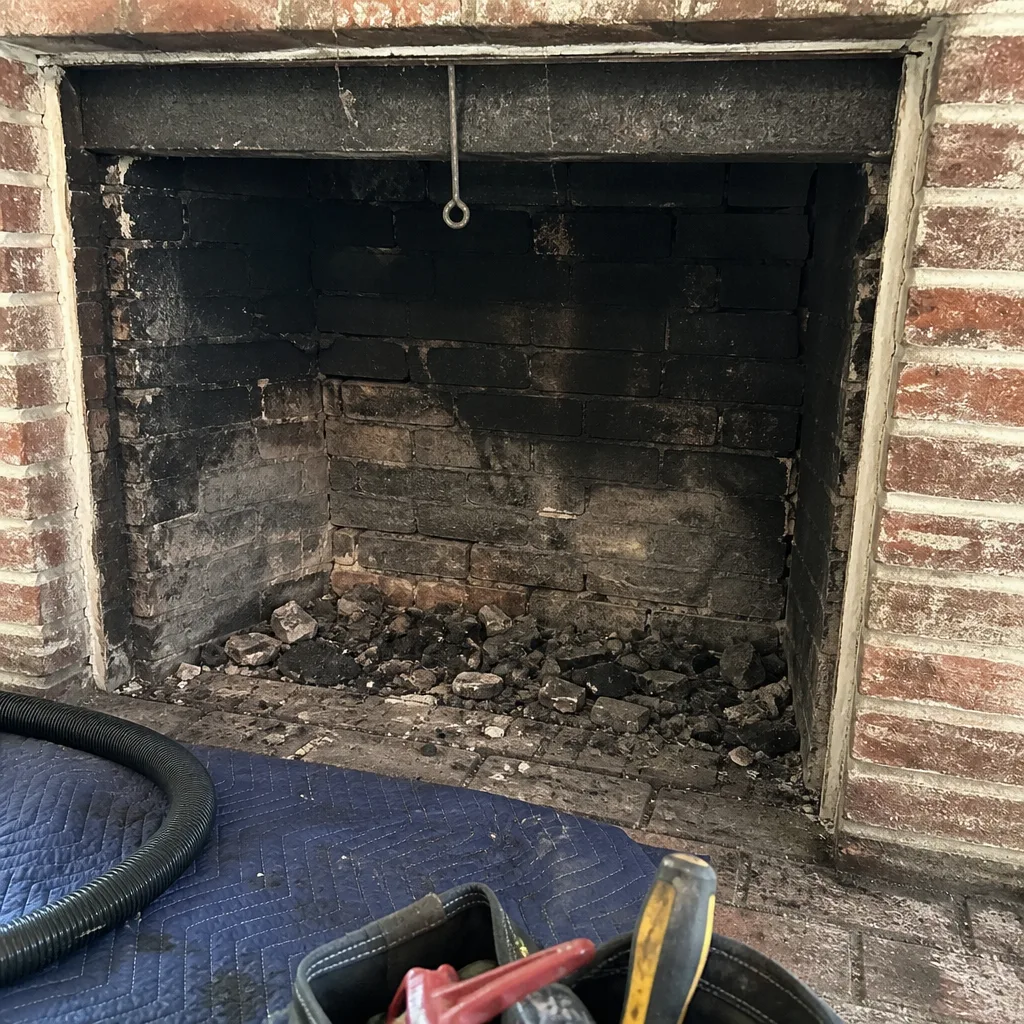 Before
 After
 Before
 After
When to Call a Professional
Call a professional when you can see or smell a problem you can’t safely reach: smoke backing up into the room, a strong odor even when the fireplace is cold, a crack in the masonry or the crown, a cap that’s come loose, or visible creosote buildup on the firebox walls. Call when a fireplace has sat unused for a long stretch and you want to use it again, since that’s exactly when unseen problems surface. Call when you’re buying a house with a wood-burning fireplace and no inspection on record. And call when a dryer takes longer than it used to; that’s often a lint-clogged vent, not a failing appliance.
Stratford Chimney Sweep offers free estimates in Pompano Beach, and we answer the phone. Call (866) 361-5813. We answer 24/7. Fast dispatch from 7am to 7pm, Sunday through Friday.
Frequently Asked Questions
Most sweeps in this area fall in a range that depends on the flue type and how accessible the roof is, and the final price is set per job by a written estimate. We give that estimate free, so the first step costs you nothing. Call (866) 361-5813 for an exact quote.
Not always. A damaged flue can sometimes be restored with resurfacing rather than a full reline, and a trained technician should be able to show you why one path fits better than the other. Ask for the photos and the reasoning before you authorize anything. Call (866) 361-5813 and we’ll walk you through it.
Most wood-burning chimneys need a sweep based on how much they’re actually used, and most homes here need an annual inspection whether or not a sweep is due. The inspection decides. Call (866) 361-5813 to book one.
A neglected chimney fails quietly until it doesn’t: creosote accumulates, the crown cracks and water gets in, or an animal or nest blocks the flue and pushes exhaust back into the room. None of that is visible from the ground. Call (866) 361-5813 for an inspection you can learn from.
CSIA certification is the baseline credential in this trade, and it’s the first thing you should verify before hiring anyone. Letters on a website are not the same as a verified certification. Call (866) 361-5813 and we’ll confirm ours in writing.
You evaluate the capability behind the name: credentials, whether they can repair what they find, the products they install, and whether their guarantee covers structural work. Those four things tell you more than a logo ever could. Call (866) 361-5813 and we’ll show you how we measure up.
The Bottom Line
There’s no brand you’re buying in chimney work, so buy capability. Verify the CSIA credential. Ask whether the company can repair what it finds, and listen for specific repair methods like HeatShield resurfacing and DuraFlex relining. Ask what products go into the cap and the liner. Read the repair reviews, not just the cleaning reviews. Get the guarantee in writing, and check whether it covers structural work. And use the free estimate to find out what your chimney actually needs before anything gets quoted. In Pompano Beach, where fireplaces sit idle and the failure is usually structural, those questions do more good than any name on a sign.
Call (866) 361-5813 for a free estimate. We answer 24/7. Fast dispatch from 7am to 7pm, Sunday through Friday.
If you’re starting from scratch, start with Stratford Chimney Sweep and take it from there.
Written by the team at Stratford Chimney Sweep.