
Last updated November 14, 2026
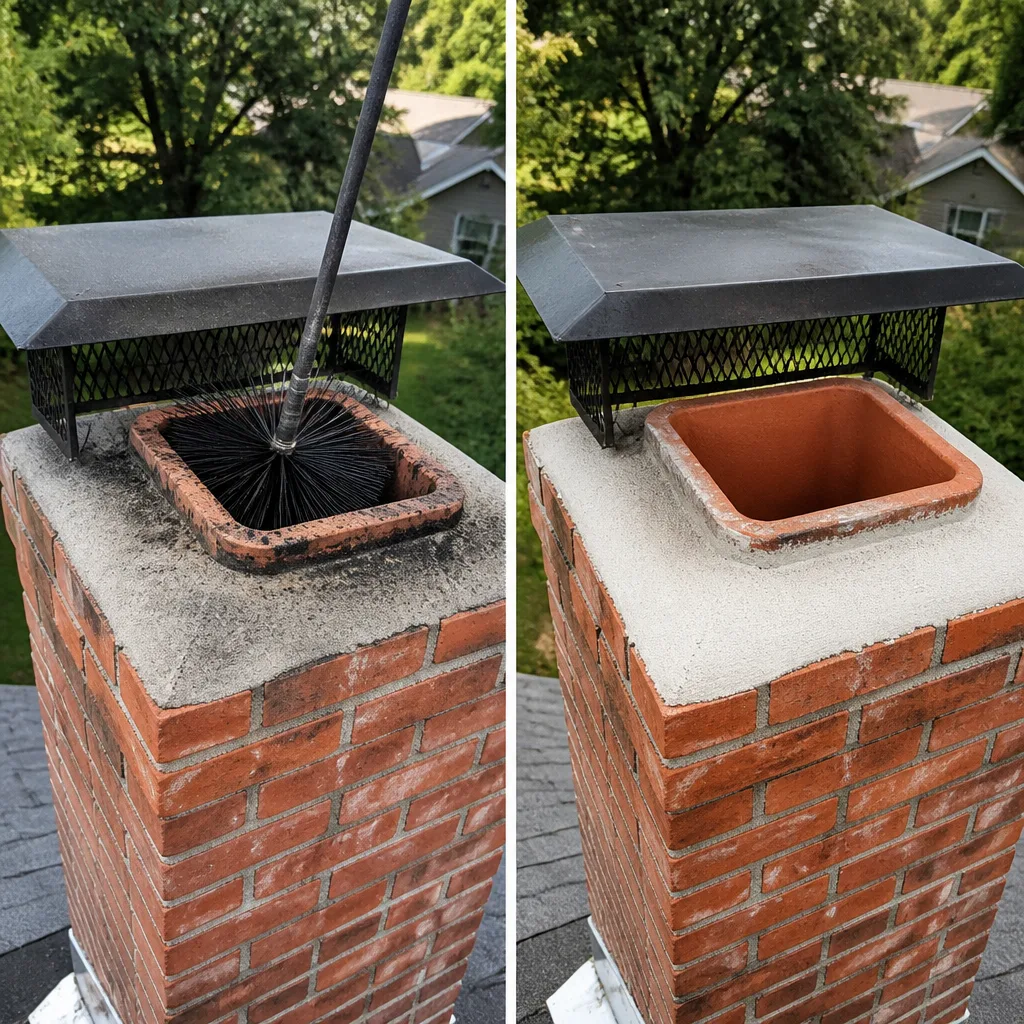 Sweep & inspection
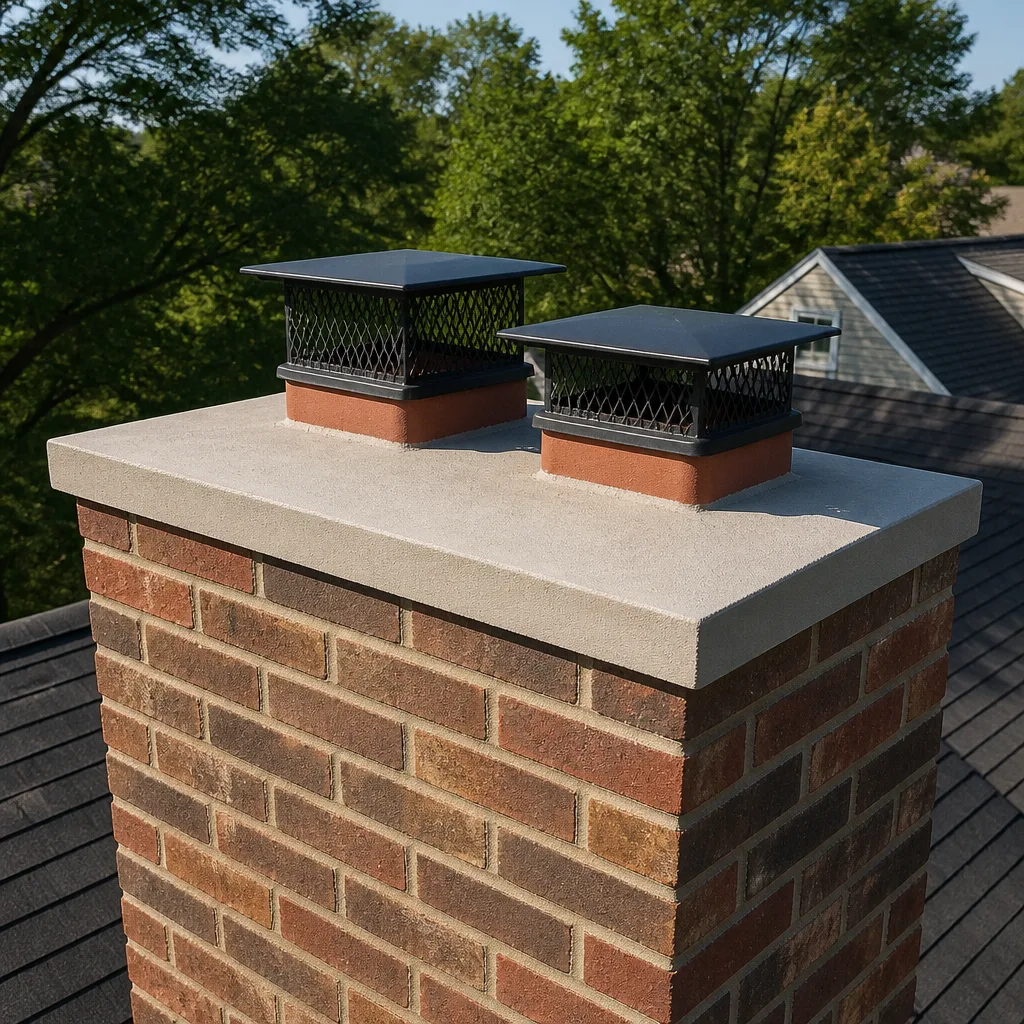 Caps & crowns
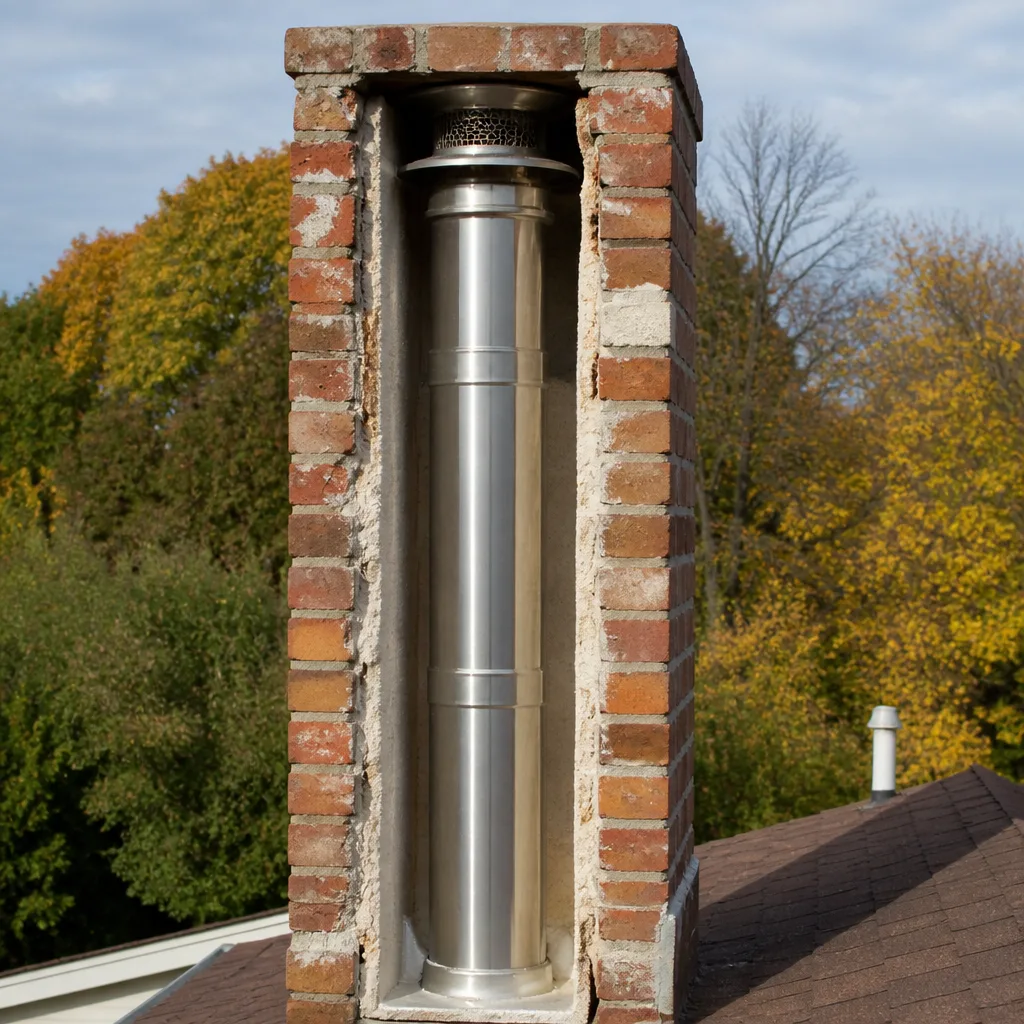 Flue relining
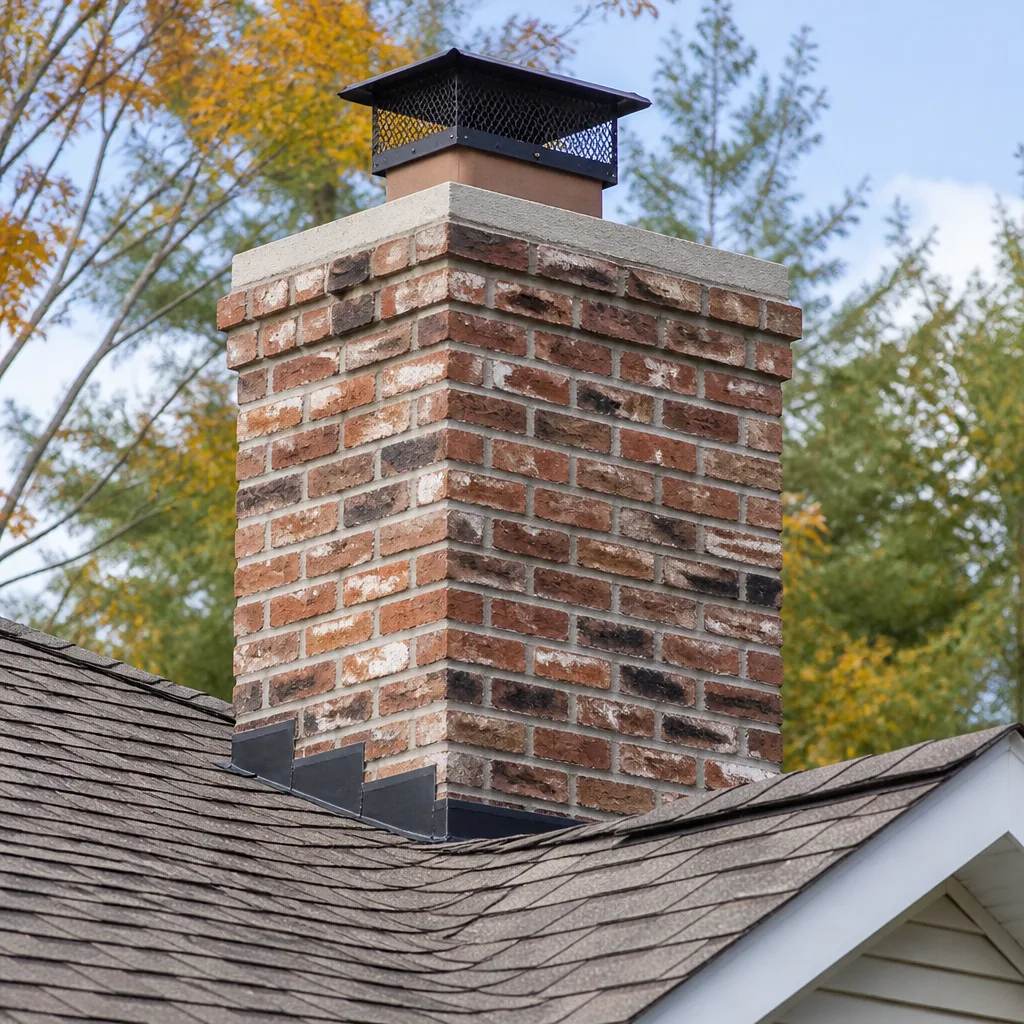 Masonry repair
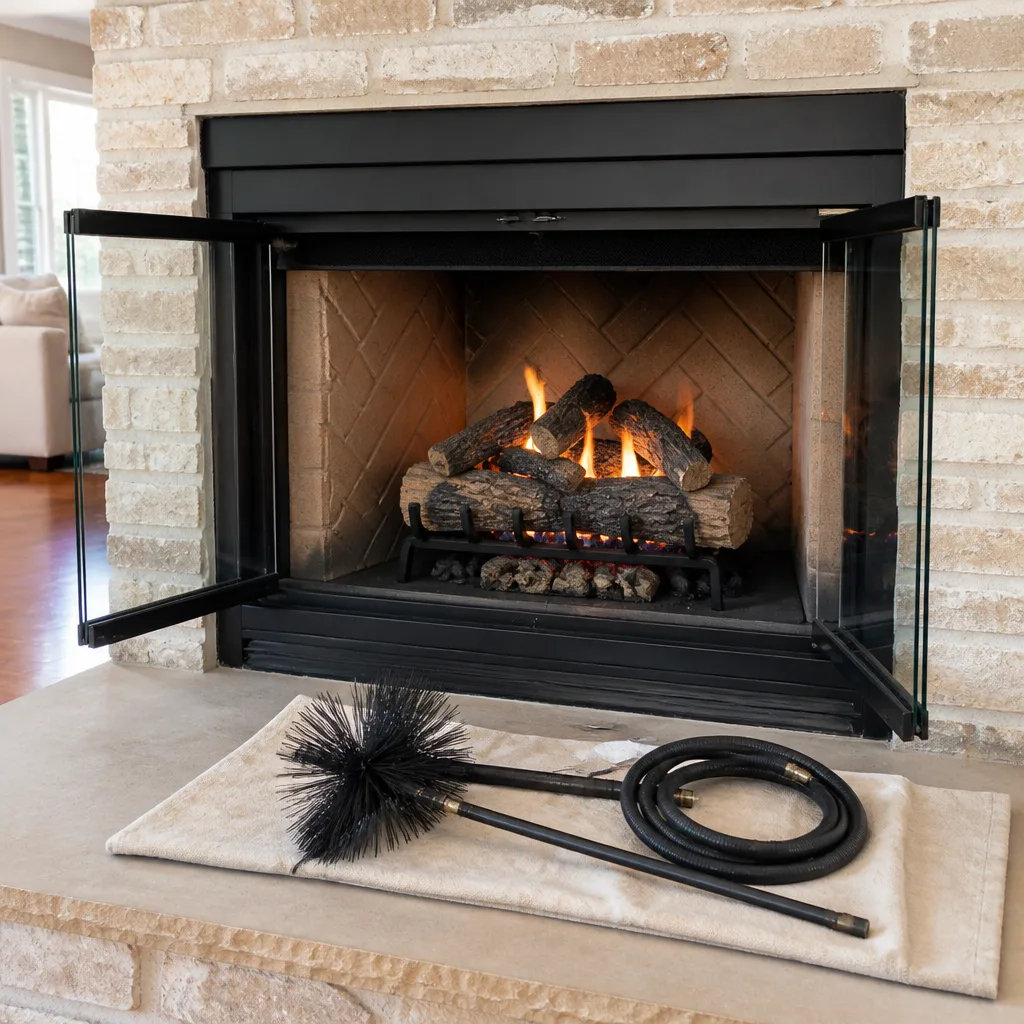 Gas fireplace service
Level 1 sweep and inspection to the NFPA 211 annual standard - flue, crown, cap, and flashing checked and photographed
Chimney sweep logs do not sweep chimneys. They loosen some creosote - which then falls where a brush and vacuum still have to collect it.
Chimney Sweep Troubleshooting in Pompano Beach: Common Problems and How to Fix Them
If smoke is backing into your living room, the instinct is to blame a dirty flue. In Pompano Beach, that instinct is often wrong. Most of the chimney trouble we’re called out to here starts as a ventilation problem, not a creosote problem. Florida’s construction style and humid, low-elevation air make fireplaces behave differently than they do up north, and guessing at the cause usually means paying to fix the wrong thing twice. This guide shows you how to read the symptom before you call anyone: how to tell a draft failure from a blockage from a crown failure, what the white staining on your chimney actually means, and how to spot a repair quote that never touches the root cause.
Quick Answer
Most Pompano Beach chimney problems are ventilation problems, not fireplace problems. Smoke backing into the house is usually negative air pressure from a tightly sealed home or a flue that’s undersized for the firebox, not a dirty flue. White staining on the chimney exterior points to water getting into the masonry, which spreads fast in South Florida’s humidity and needs repair before it becomes structural. A real diagnosis means checking draft, cap, crown, and flue condition together, not sweeping and hoping.
Styles & brands we work with
- Sweep & inspection
- Caps & crowns
- Flue relining
- Masonry repair
- Gas fireplace service
Table of Contents
- Why Smoke Backs Into the House in Pompano Beach
- Negative Air Pressure: The Cause Most Homeowners Miss
- White Staining on Your Chimney: A Structural Warning
- Draft, Blockage, or Crown? The Field Test That Tells Them Apart
- Why Masonry Damage Moves Faster Here
- How to Read a Repair Quote: Root Cause or Symptom?
- What the Right Repair Materials Look Like
- Keeping a Pompano Beach Chimney Healthy
Why Smoke Backs Into the House in Pompano Beach
Smoke backing into the house is a draft failure. A chimney only pulls smoke up and out when the air pressure inside the firebox is lower than the pressure outside the house. When that balance flips, smoke follows the path of least resistance, which is your living room. In Pompano Beach, that flipped balance is the single most common reason a fireplace stops working, and it’s almost never about how much creosote is in the flue.
Here’s what we mean by a draft failure. A fireplace needs a column of warm air rising up the flue to carry smoke with it. That column is fragile. If the flue is cold, if the house is sealed too tight, if the chimney is too short for the firebox opening, or if a nearby roofline disrupts the airflow above the cap, the column collapses. The fire still burns. The smoke just has nowhere to go but into the room.
Pompano Beach homes hit this more often than the older housing stock up north for a few reasons:
- Tight modern construction. Newer homes and remodeled ones are sealed for air conditioning efficiency. That’s good for your electric bill and bad for your chimney, because a fireplace needs a supply of make-up air to draft properly.
- Low, flat rooflines. Many South Florida homes have shallow roof pitches, which puts the chimney cap closer to the roof surface and can create turbulence that interferes with the rising smoke.
- Oversized firebox openings. A wide firebox paired with a flue that’s too small for it will draft poorly no matter how clean it is.
- Humid, low-elevation air. Dense, humid air is heavier, and a chimney here has to work a little harder to establish that rising column, especially on a cold start.
The practical upshot: before anyone sells you a sweep for a smoke problem, they should be checking why the chimney isn’t drafting. A sweep cleans. A diagnosis explains. Those are two different jobs, and only one of them solves a smoke-back problem that has nothing to do with buildup. If you’re already due for a cleaning, a chimney sweep is a good place to start, but make sure the technician is also checking the draft, the cap, and the flue dimensions while they’re there.
Negative Air Pressure: The Cause Most Homeowners Miss
Negative air pressure is what happens when your house is pulling in more air than it’s letting out, or letting out more than it pulls in, and the fireplace gets caught in the middle. In Pompano Beach, where air conditioning runs most of the year and homes are sealed tight to keep the cool in, this is the hidden reason a fireplace that worked fine for years suddenly smokes.
Picture the pressure inside your home as a balance. Air conditioning equipment, exhaust fans in the kitchen and bathroom, a clothes dryer venting to the outside, and even a strong breeze across the roofline can all tip that balance. When the house is under negative pressure, it draws air down the chimney instead of up. The fireplace becomes an air intake, and smoke comes with it.
What actually fixes negative pressure isn’t a sweep. It’s restoring the air balance. The usual approaches:
- Crack a window near the fireplace before lighting. This is the simplest test and the simplest fix. If the smoke stops when a nearby window is open a couple of inches, you’ve confirmed a pressure problem, not a buildup problem.
- Check what’s running when the fireplace smokes. Note whether the bathroom fan, kitchen exhaust, or dryer is on. A dryer vent that’s clogged or venting poorly can pull a surprising amount of air out of the house, and a dryer vent cleaning can resolve more than one problem at once.
- Have the flue and firebox dimensions checked. If the flue is undersized for the firebox, no amount of window-cracking will fully fix it. The permanent solution is a properly sized liner, which is a relining job, not a cleaning job.
- Have the cap and chimney height evaluated. A cap that’s too restrictive, or a chimney that’s too short, can keep the smoke from clearing the roofline even when everything else is right.
We see this pattern often in Pompano Beach: a homeowner has the chimney swept, the smoke comes back, and the second call is to a different company that finally explains the pressure issue. Reading the symptom first saves that second call.
White Staining on Your Chimney: A Structural Warning
White staining on a masonry chimney is called efflorescence, and it’s not cosmetic. Efflorescence is the visible sign that water has moved through the masonry, dissolved salts from the brick or mortar, and deposited them on the surface as it evaporated. By the time you can see it, water has been getting in long enough to travel through the wall.
On a Pompano Beach chimney, that matters more than it would in a drier climate. The humidity here keeps masonry damp for longer, and repeated wetting and drying cycles break down mortar joints from the inside. The white powder is the messenger. The damage underneath is the problem.
Efflorescence usually traces back to one of a few sources:
- A failing crown. The concrete cap at the top of the chimney cracks or pulls away from the flue, and water runs straight down into the masonry. This is the most common source we find.
- A missing or damaged cap. Without a proper rain cap over the flue opening, water enters the top of the chimney directly.
- Failed flashing. The metal where the chimney meets the roof can pull loose, letting water run down the chimney’s outside face.
- Spalling brick. Once water is inside the brick, it can freeze-free expand and flake the brick face off. In Pompano Beach, the freeze part is rare, but the salt movement and moisture cycling still cause spalling over time.
Here’s the part homeowners usually miss: white staining isn’t a sign you need a new chimney. It’s a sign you need to find and stop the water, then repair the masonry that’s been affected. Sometimes that’s a crown rebuild. Sometimes it’s resurfacing the flue. Sometimes it’s reflashing. What it almost never is, is nothing. If you can see the white staining, get it looked at before the next wet season.
Draft, Blockage, or Crown? The Field Test That Tells Them Apart
There are three different failures that all look like “my chimney isn’t working,” and they have three different fixes. Telling them apart before you call saves you from paying for the wrong repair. Here’s how we walk homeowners through it.
The draft test. With the fireplace cold and nothing burning, hold a lit incense stick or a smoke pencil near the open damper. Watch the smoke. If it drifts steadily up the flue, your draft is fine and the problem is something else. If it hangs, swirls, or gets pushed back into the room, you have a draft failure, which points to pressure, flue sizing, or chimney height.
The blockage check. Look up the flue from the firebox with a flashlight, and from the top of the chimney if you can safely see it. You’re looking for an obvious obstruction: a bird nest, a collapsed flue tile, a buildup of creosote at the smoke shelf, or a damper that isn’t opening all the way. A blockage is usually obvious once you’re looking for it, and the fix is removal, not a rebuild.
The crown and cap look. From the ground with binoculars, or from the roof only if you can do it safely, look at the concrete crown at the top of the chimney and the cap over the flue. Cracks, a crown pulling away from the flue, rusted or missing cap mesh, or a cap sitting crooked all point to a crown-and-cap problem, which is a weatherproofing repair.
A few things to keep in mind before you climb anything:
- The test is a diagnosis, not a repair. Don’t try to solve a flue problem from a ladder.
- Never reach into a flue or firebox to clear a blockage by hand. Glass, sharp flue tile edges, and hidden debris make that a hand injury waiting to happen.
- If the problem is smoke coming back into the room while a fire is burning, put the fire out and open a window before doing anything else.
- If you see heavy creosote, cracked flue tile, or a crown in bad shape, stop and call a professional. That’s the point where the job moves from troubleshooting to repair.
All three problems can be present at once, and in older Pompano Beach homes they often are. A draft failure plus a cracked crown plus a partially blocked flue is a common combination. The point of the field test is to know which one is causing the symptom you’re actually experiencing, so the first repair addresses the first problem.
Why Masonry Damage Moves Faster Here
Masonry damage on a South Florida chimney progresses faster than it does inland, and it’s not one factor. It’s the combination of steady humidity, warm temperatures that keep biological growth active year-round, and the moisture cycling that comes with a rainy season. Brick and mortar are porous. In a dry climate, masonry dries out between rains. In Pompano Beach, it often doesn’t fully dry before the next round.
Here’s what that looks like in practice. A hairline crack in the crown that would sit stable for years in a dry climate can widen within a couple of seasons here, because water gets in, the masonry stays damp, and the freeze-free but still active wet-dry cycle opens the crack further. Spalling brick, crumbling mortar joints, and rusted flashing all move along the same timeline. The damage compounds.
The homeowners we talk to in Pompano Beach are usually missing the same few things on inspection:
- The crown gets ignored. It’s at the top of the chimney, out of sight from the ground, and it’s the most common starting point for water damage.
- Flashing gets skipped. The metal seal where the chimney meets the roof is easy to overlook and a common leak source.
- The cap is assumed to be fine. A cap that’s lost its mesh or rusted through lets water and wildlife in, and it’s cheap to fix compared to the damage it prevents.
- Efflorescence gets painted over. Painting a damp masonry chimney traps moisture inside, which accelerates the damage instead of stopping it.
None of this requires a rebuild. It requires inspection on a regular schedule, and repair when the inspection finds something. The pattern we see in Pompano Beach is that the homeowners who catch these things early pay for a repair, and the ones who don’t pay for a rebuild. The gap between those two is worth an inspection. Our technicians have up to 10 years of experience reading exactly these signs, and we can tell you what’s normal aging and what needs attention now.
How to Read a Repair Quote: Root Cause or Symptom?
A repair quote that addresses the symptom will fix what you can see and leave the cause in place. A quote that addresses the root cause explains why the problem happened and what’s being done about it. Learning to tell the difference protects you from paying twice.
The clearest sign of a symptom-only quote is a vague one-liner. “Chimney repair: $X” tells you nothing about the cause, the materials, or the extent. A root-cause quote connects the visible problem to a source and names the fix.
When you get a quote, read it against these questions:
- Does it name the actual cause? “Crown cracked, water entering flue, efflorescence on exterior wall” is a root-cause description. “Chimney needs repair” is not.
- Does it match what the inspection found? If the technician found a failed crown and the quote is for a full reline, ask why. A reline is sometimes the right answer, but it should be tied to a flue finding, not a crown finding.
- Does it name the materials? A repair using HeatShield resurfacing, a DuraFlex liner, or a Gelco or Olympia Chimney cap is a repair with a product spec. A quote that just says “materials” is a quote you can’t evaluate.
- Does it separate the repair from the cosmetic? Waterproofing the exterior is worth doing, but it doesn’t replace fixing the crown. If the quote leans on sealing the outside and skips the crown, it’s the wrong repair.
- Does it tell you what can safely wait? An honest quote will say so when part of the job can be deferred. A quote that turns every finding into an urgent repair is a quote to question.
The other thing to watch for: a quote that proposes a full liner replacement when a resurfacing would do the job. HeatShield resurfacing restores a damaged flue from the inside without tearing the old liner out, which is a lower-cost and less disruptive path when the flue condition allows it. It’s not the right answer for every flue, but it’s the right answer for more of them than a liner-only shop will tell you. Our full guide to Stratford Chimney Sweep explains how we approach the sweep-to-repair sequence, and it’s a useful reference when you’re comparing quotes.
What the Right Repair Materials Look Like
The difference between a repair that lasts and one that doesn’t is usually the material, not the effort. A chimney repaired with commodity hardware-store parts will fail again. A chimney repaired with professional-grade components from the supply lines that chimney professionals actually use will hold. Here’s what to look for when you’re evaluating a repair proposal.
Flue lining. A flexible stainless liner is the standard relining product, and the capacity to install it correctly, with proper sizing and insulation, matters as much as the product. DuraFlex liner systems are the flexible liner line we work with, and they’re designed for the flue geometries we actually encounter in Pompano Beach homes. A properly sized DuraFlex liner fixes undersized flues, failed clay tile, and flues that have become unsafe from continuous use.
Flue resurfacing. When the flue is damaged but the structure is sound, resurfacing can restore it without a tear-out. The HeatShield system is the resurfacing product we use for this, and it’s a repair path that cleaning-only companies can’t offer because it requires the tooling and the training to apply correctly. It’s not a shortcut; it’s a different repair that fits a specific set of flue conditions.
Caps and crowns. The cap and crown are the chimney’s weatherproofing, and they take the most abuse. Gelco caps and Copperfield components are the kinds of products we specify for this work, because a cap is not a place to cut corners. A proper cap keeps out rain, birds, and debris while still letting the flue vent. A decorative cap with the wrong mesh size can do more harm than good.
Ventilation components. When a chimney issue turns out to be a house-wide ventilation issue, the fix sometimes involves Famco ventilation products, which are built for the kind of whole-home air movement that takes pressure off the chimney. That’s not a chimney repair in the narrow sense, but it’s the right fix when the diagnosis points there.
We source from Olympia Chimney supply for the components that need to come from a known, traceable supplier. If you’re comparing quotes and one of them names a product and another names “a cap,” you already know which one you can trust to last.
Keeping a Pompano Beach Chimney Healthy
The best chimney repair is the one you never need. In Pompano Beach, prevention comes down to a short annual routine that catches the water intrusion and the buildup before either one turns into a structural problem. Here’s the routine we recommend.
- Get a sweep and inspection once a year if you burn regularly. If you burn only occasionally, a qualified technician can tell you whether an annual sweep is necessary or whether a longer interval is safe for your use. The inspection is the important part. If it’s been more than a year since the last one, schedule a chimney sweep and ask for a camera inspection and a photo report so you can see what the technician saw.
- Look at the crown and cap from the ground. Binoculars are enough to spot a crack, a missing mesh, or a cap that’s shifted. If anything looks off, that’s the trigger to call.
- Watch for efflorescence after the rainy season. New white staining means water is getting in somewhere. Write down where you see it and point it out at the next inspection.
- Keep the area around the firebox clear and the damper moving freely. A damper that sticks is a draft problem waiting to happen. Have it checked and lubricated as part of the sweep.
- Clean the dryer vent on its own schedule. A clogged dryer vent is a fire risk in its own right, and it also pulls air from the house in ways that affect chimney draft. Treat dryer vent cleaning as combustion-ventilation maintenance, not an add-on.
- Address what the inspection finds, in the season it’s found. Water damage in Pompano Beach doesn’t pause for the off-season. Small repairs addressed promptly stay small.
If you want a mental model for the whole cycle, think of it as three layers: the fire (burning clean wood, no trash or paper), the flue (clean, sized correctly, intact), and the chimney shell (crown, cap, flashing, masonry). A problem in any layer shows up as a symptom somewhere else. Sweeping maintains the flue. Inspection catches the shell. Repair addresses what the inspection finds.
Common Mistakes to Avoid
- Assuming every smoke problem is a dirty flue. In Pompano Beach, negative pressure and flue sizing cause more smoke-back than creosote does. If a sweep doesn’t fix the smoke, the sweep wasn’t the answer.
- Painting over efflorescence. Paint traps moisture in the masonry and speeds up the underlying damage instead of stopping it. The fix is finding the water source, not hiding the stain.
- Hiring a sweep-only company for a repair-grade problem. If the diagnosis points to a crown, a flue, or a cap, a cleaning crew can’t fix it. Ask whether the company you’re calling does the repair work or only the sweep, so you’re not vetting a second contractor after the first visit.
- Accepting a full-liner quote without asking about resurfacing. If resurfacing wasn’t on the table and the quote is for a full tear-out, ask what flue condition ruled it out. Sometimes a tear-out is correct, but the question should be answered, not assumed.
- Skipping the camera inspection. A visual pass from the firebox misses flue damage higher up. A camera inspection with a photo report lets you see the finding yourself instead of taking it on faith.
- Ignoring the dryer vent because it isn’t the chimney. A clogged dryer vent is a fire hazard and a hidden cause of chimney draft problems. It belongs on the same maintenance list.
- Doing cap and crown work from a ladder yourself. It’s roof-height work on a steep, flat, or fragile surface, and a fall is a serious injury. Have it done by a trained professional whose hands are the ones in harm’s way if the job goes wrong.
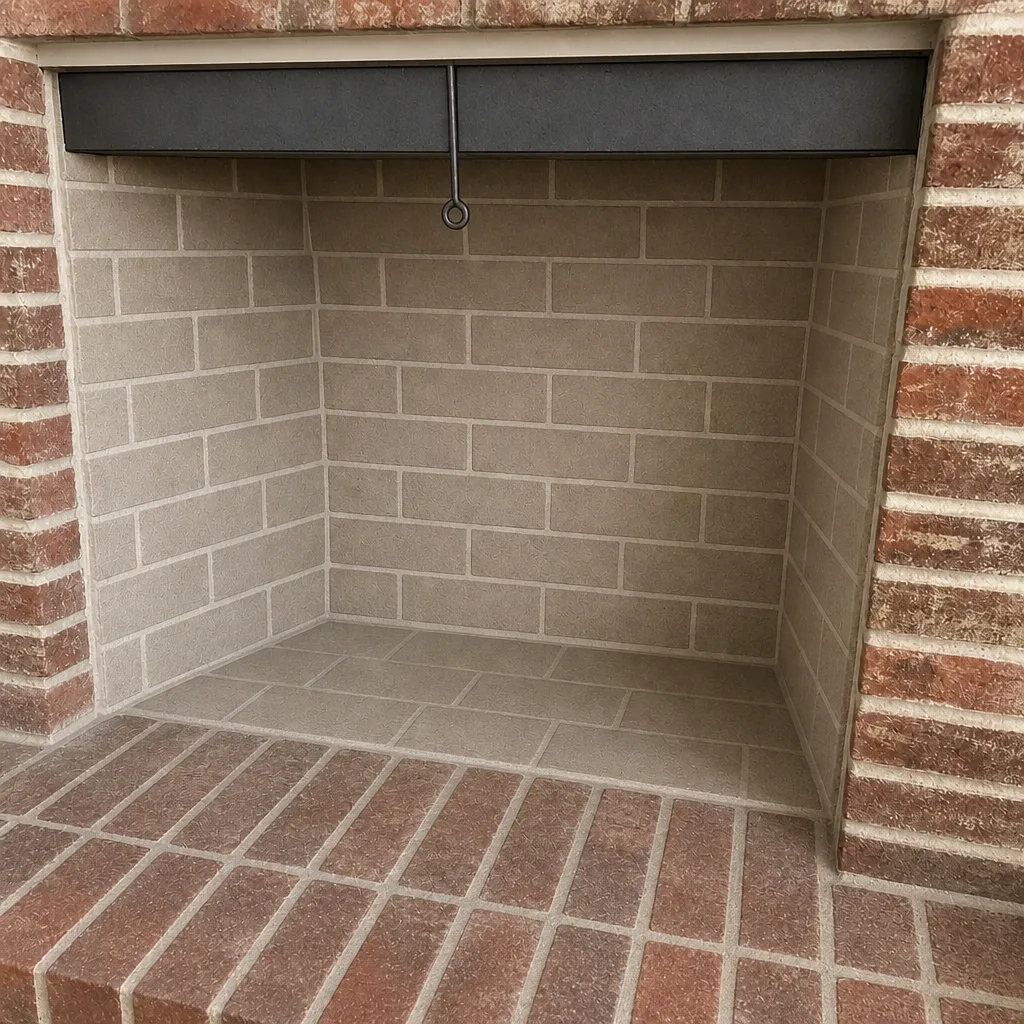
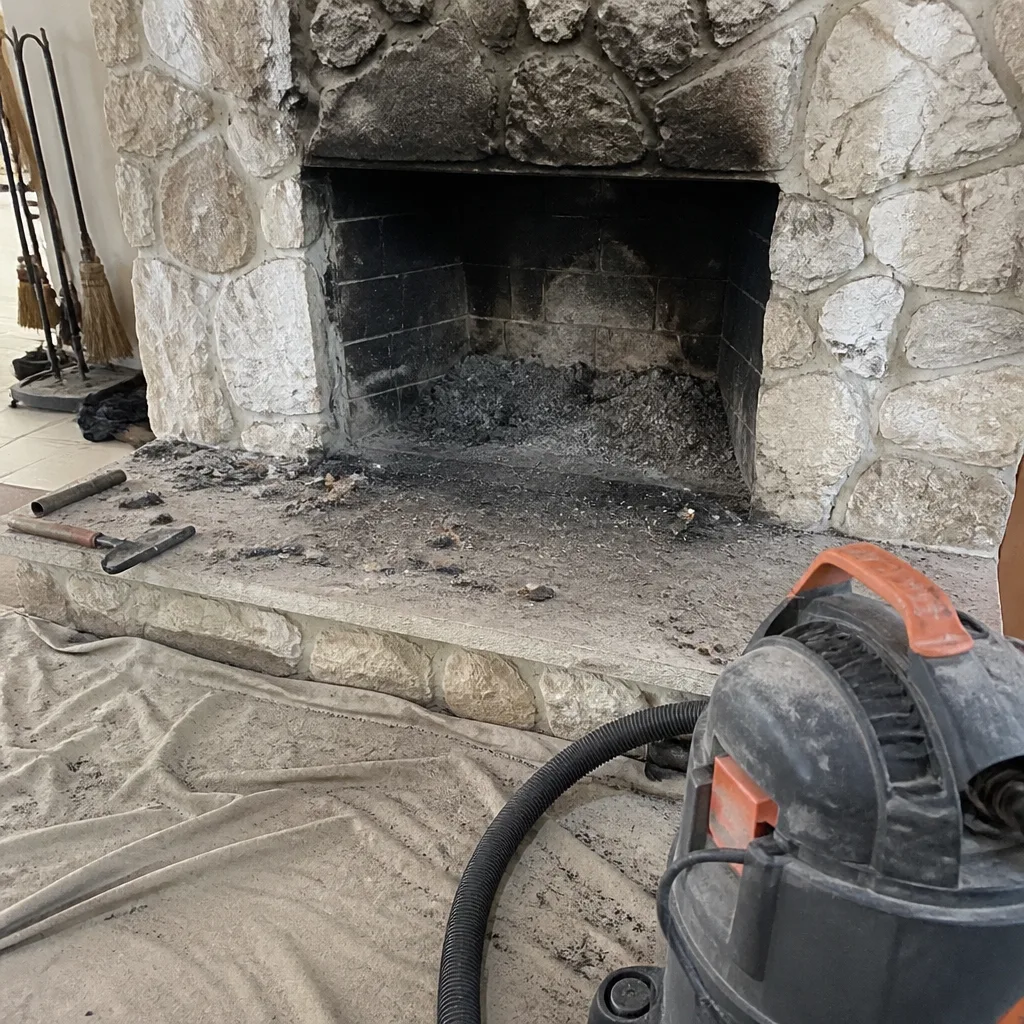
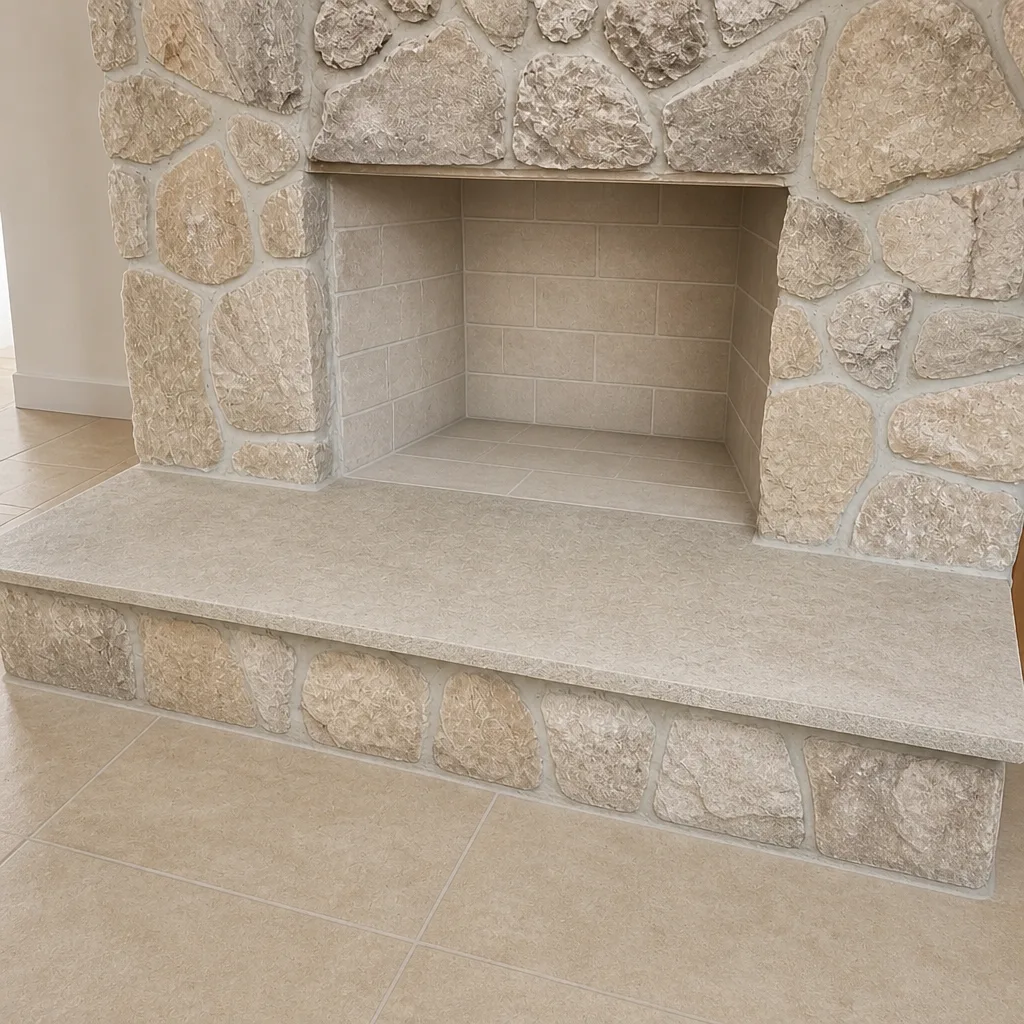
See the difference
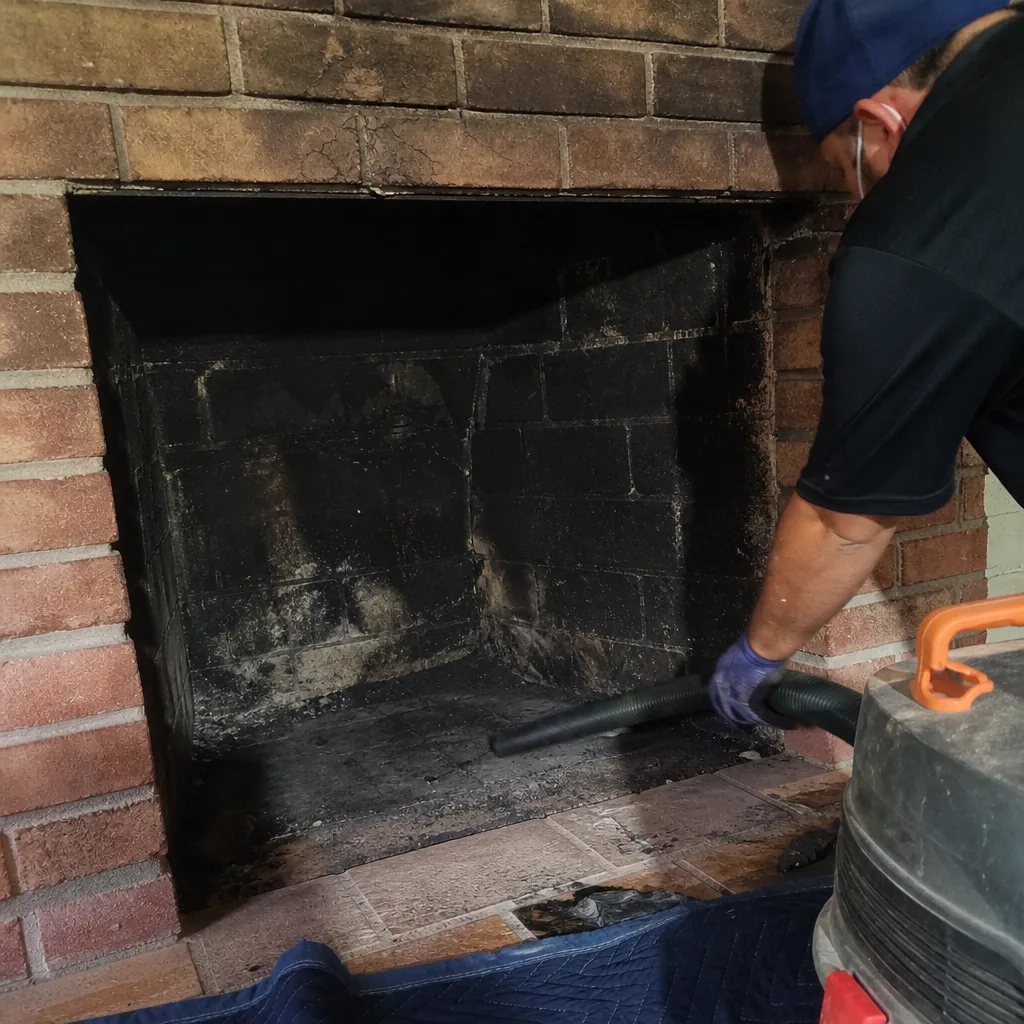 Before
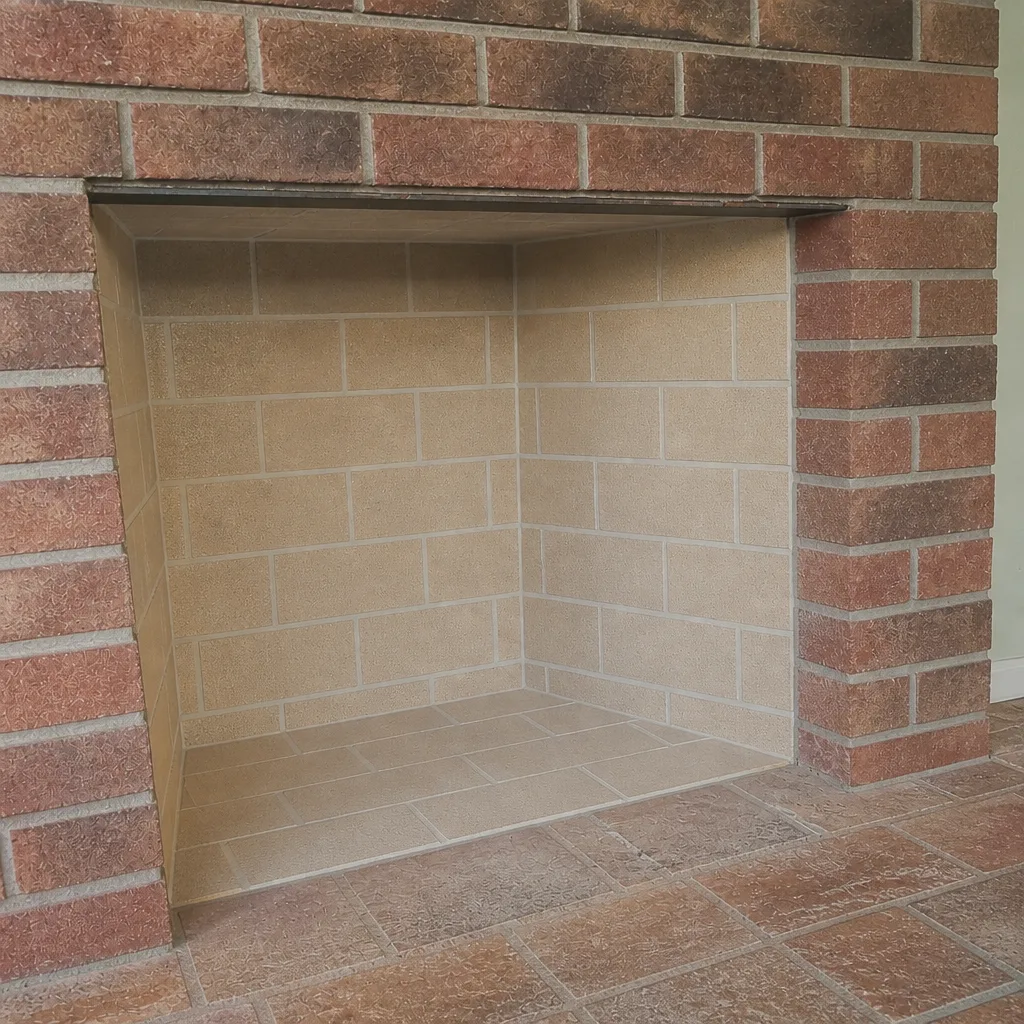 After
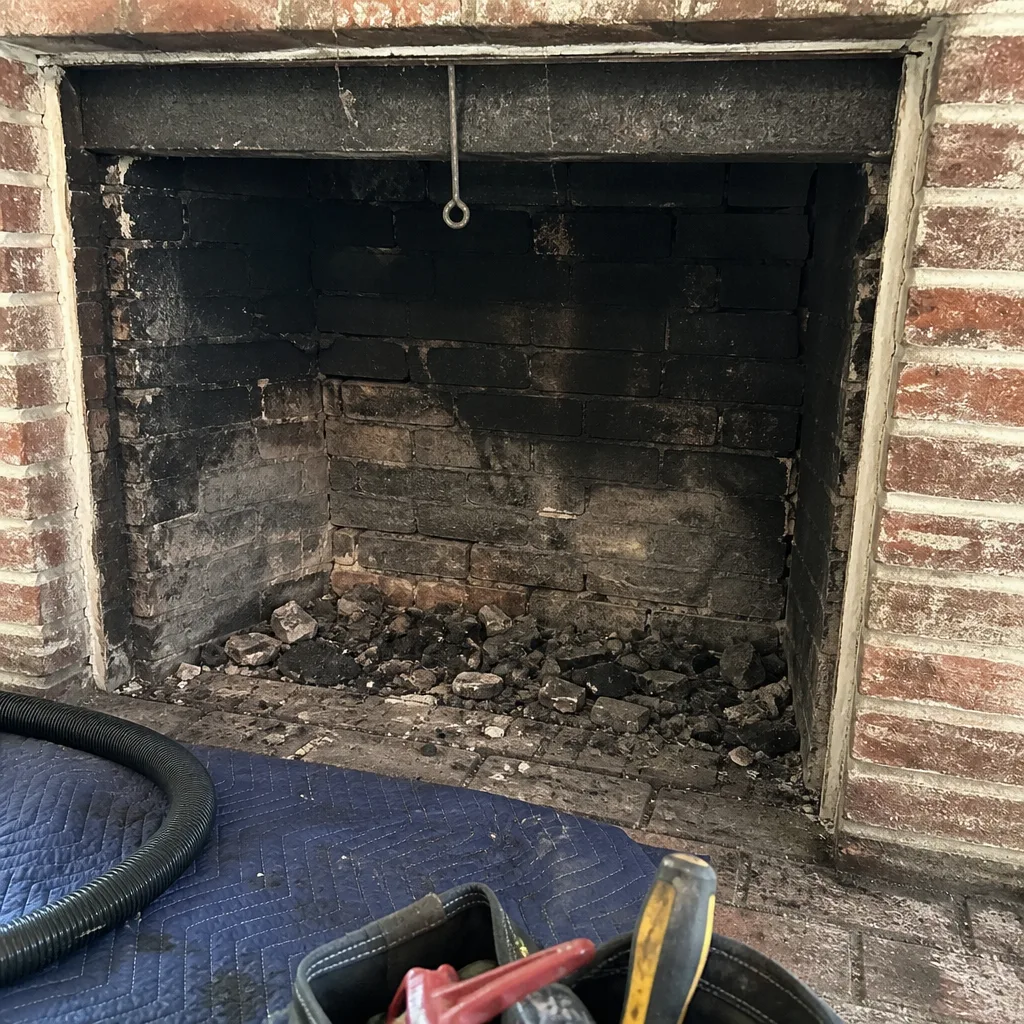 Before
 After
 Before
 After
When to Call a Professional
Some chimney issues are safe to watch. Others need a call the same day. Call a professional if smoke is backing into the room and opening a window doesn’t stop it, if you see a fresh crack in the crown or a cap that’s come loose, if white staining has appeared or spread on the exterior, or if you smell gas or an unusual odor near the fireplace. Those are the situations where a small repair can stop a bigger one. If your last sweep was more than a year ago and you burn regularly, that’s also a call. Stratford Chimney Sweep offers free estimates in Pompano Beach. When you call, we’ll explain what we find, show you the camera inspection, and tell you plainly what can safely wait. The written estimate sets the final price, and we don’t recommend work without evidence you can see for yourself.
Frequently Asked Questions
Smoke comes into the house when the chimney can’t establish a rising column of air, and the most common cause in Pompano Beach is negative air pressure from a tightly sealed home, not a dirty flue. Crack a window near the fireplace and light a test fire. If the smoke stops, you’ve confirmed a pressure problem, and the fix is restoring the air balance or resizing the flue, not just a sweep. If the smoke continues, stop and call for a diagnosis. Call (866) 361-5813 for an exact quote; estimates are free.
That white powder is efflorescence, and it means water is moving through the masonry and depositing salts on the surface. It’s a structural warning, not a cosmetic one. The fix is finding the water source, which is often a cracked crown, damaged flashing, or a failing cap, and repairing the masonry underneath. Painting over it traps the moisture and makes it worse. If you can see it, get it looked at.
Not every chimney needs a new liner, and a liner recommendation should come with a reason you can see in the camera inspection: cracked flue tile, a flue sized too small for the firebox, or a damaged flue that can’t be safely used. When the flue is damaged but the structure is sound, resurfacing with a system like HeatShield can restore it without a tear-out, which is a repair path that cleaning-only companies can’t offer. Ask what flue condition rules out resurfacing before you accept a full reline quote. Call (866) 361-5813 for an exact quote; estimates are free.
A chimney used regularly should be swept and inspected once a year, and a chimney used only occasionally can often go longer, as long as it’s still being inspected. The inspection matters more than the sweep interval, because it’s what catches the water damage and the flue problems before they become structural. If it’s been more than a year since your last inspection, that’s the time. Call (866) 361-5813 for an exact quote; estimates are free.
No, and we’d recommend against trying. Crown and cap work is roof-height work on a surface that’s often flat, fragile, or steep, and a fall is the kind of injury that changes a household. It’s also a repair where the wrong material or an improperly seated cap causes the next round of water damage. Have it done by a trained professional, and ask to see what the cap and crown look like now so you can judge the work when it’s finished.
Two Pompano Beach chimneys on the same block can age at different rates because the damage drivers are specific to each home: how much the roof above the chimney shades it, how well the crown drains, how the flashing is seated, and how much humidity the masonry holds. A chimney that’s shaded or has a hairline crown crack will hold moisture longer and degrade faster than one that dries out between rains. An inspection that looks at the whole assembly, not just the flue, is what catches the difference. If you’re in the Pompano Beach area and want a straight answer, call us and we’ll walk you through what we see.
The Bottom Line
Most chimney problems in Pompano Beach start as ventilation problems, and the ones that don’t start in the masonry, from water getting in where the crown, cap, or flashing has failed. Reading the symptom before calling anyone is the difference between fixing the right thing once and fixing the wrong thing twice. Run the draft test, check for a blockage, look at the crown and cap from the ground, and read any repair quote for the cause it names and the materials it specifies. A sweep maintains the flue. An inspection catches the shell. A root-cause repair prevents the rebuild. When you’re ready for a professional diagnosis, call Stratford Chimney Sweep at (866) 361-5813 for a free estimate. We answer 24/7. Fast dispatch from 7am to 7pm, Sunday through Friday. A call outside dispatch hours is booked into the next opening, Sunday through Friday, 7am to 7pm. We’re closed Saturday. Nothing gets recommended without camera evidence you can see for yourself.
Written by the team at Stratford Chimney Sweep.