
Last updated November 14, 2026
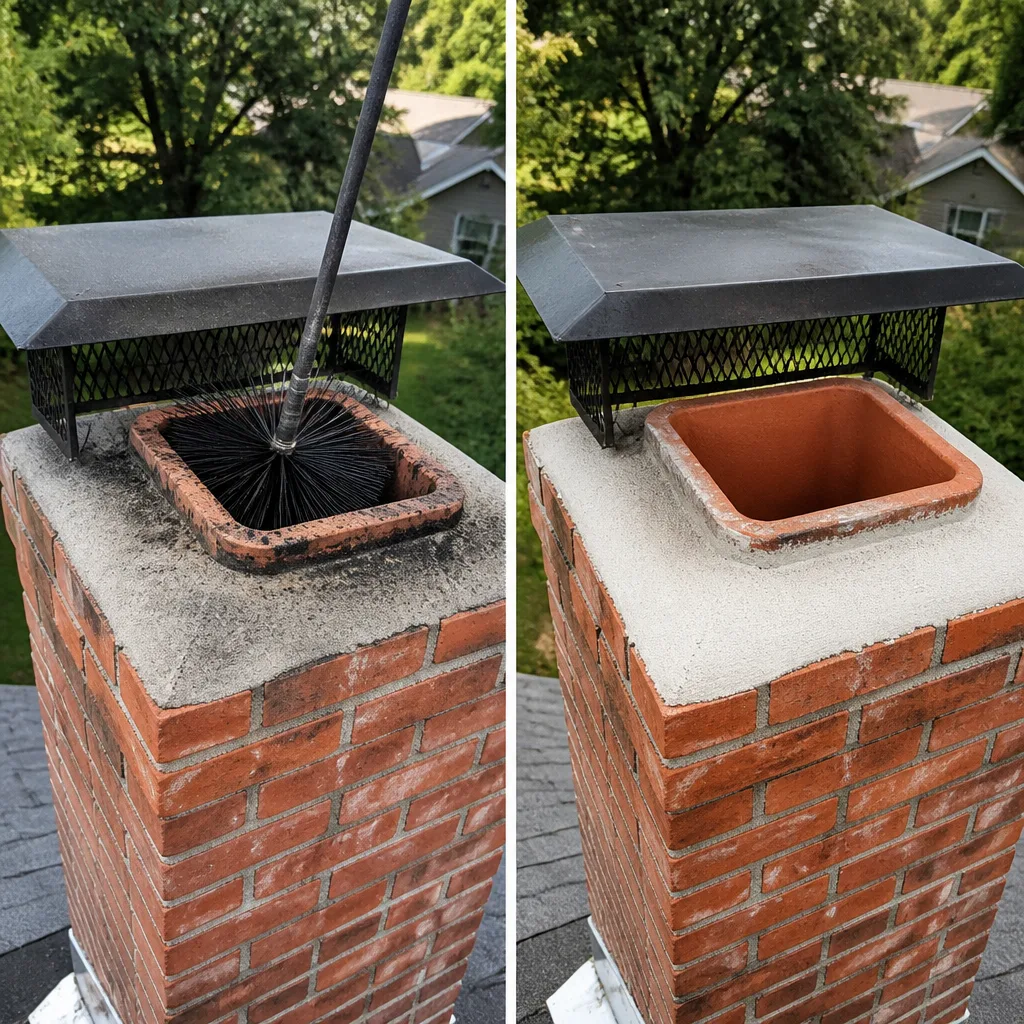 Sweep & inspection
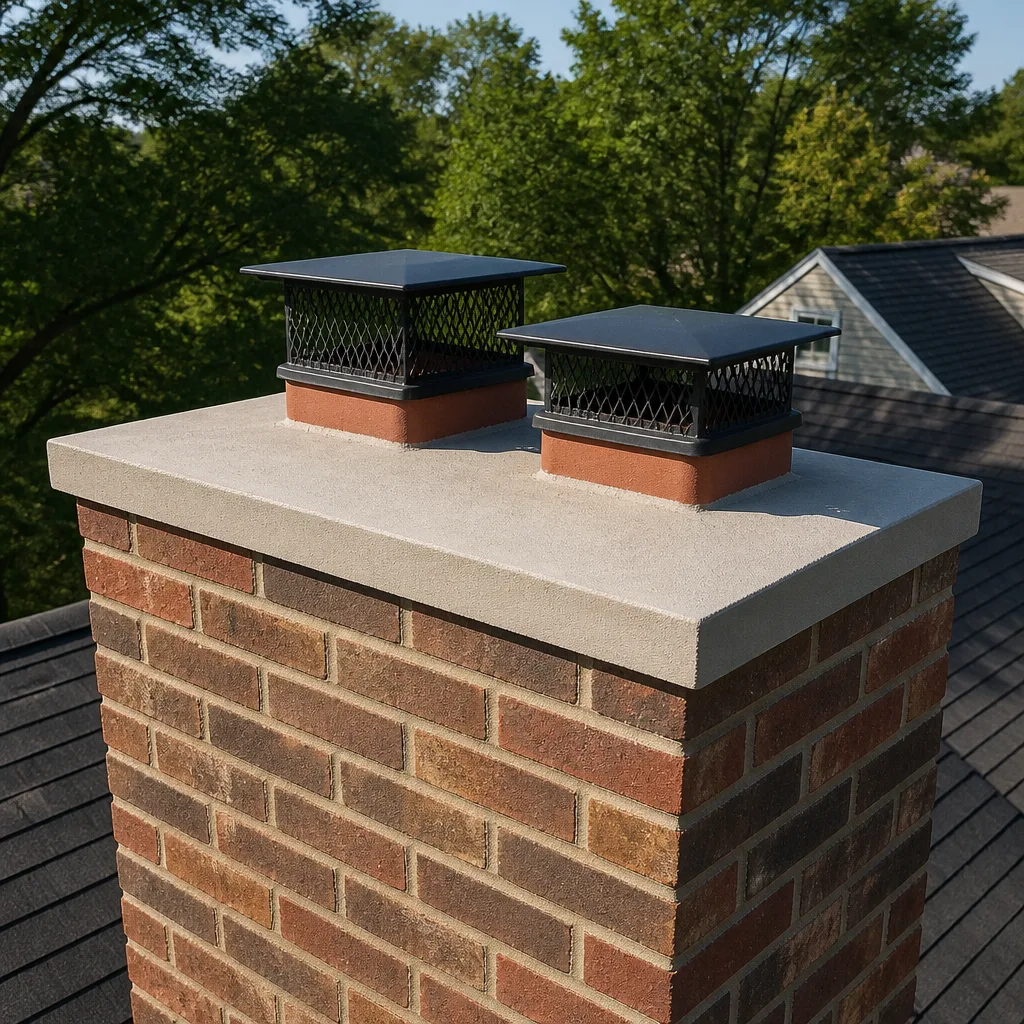 Caps & crowns
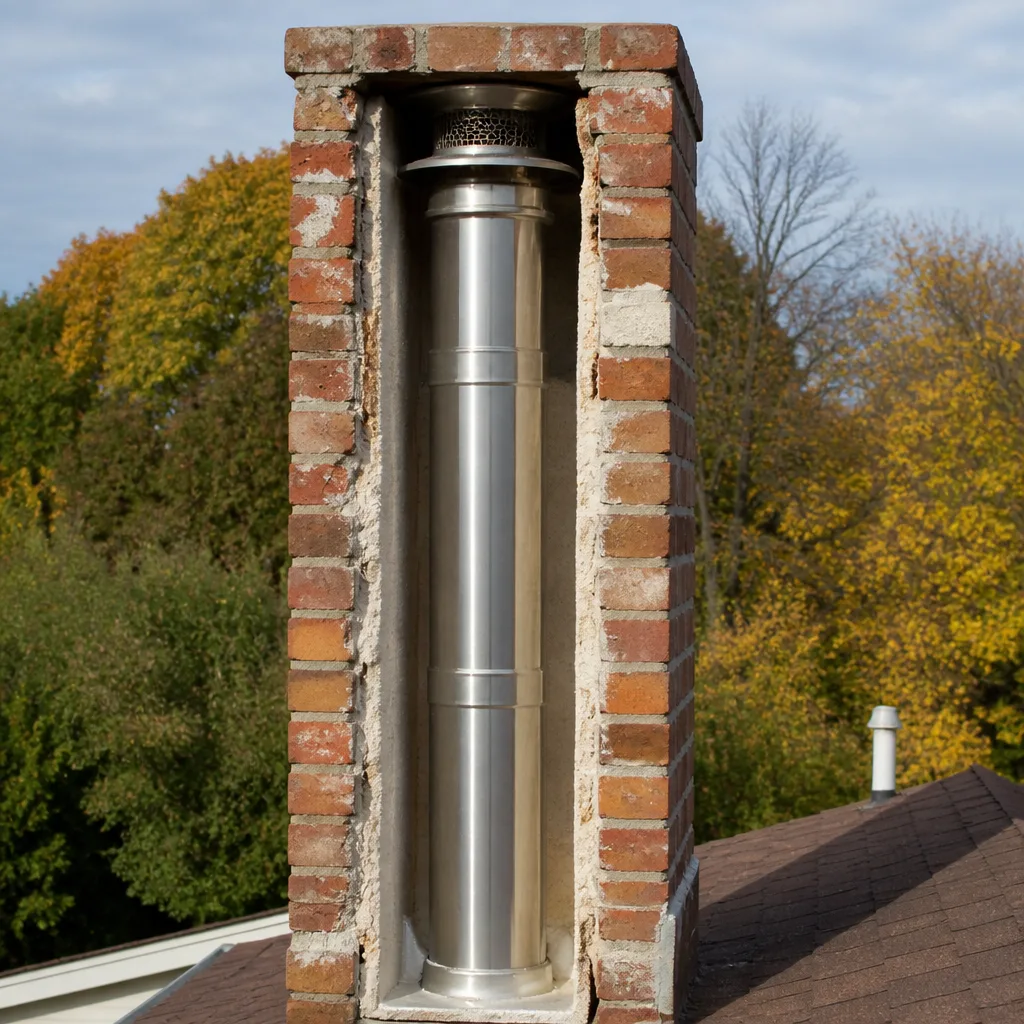 Flue relining
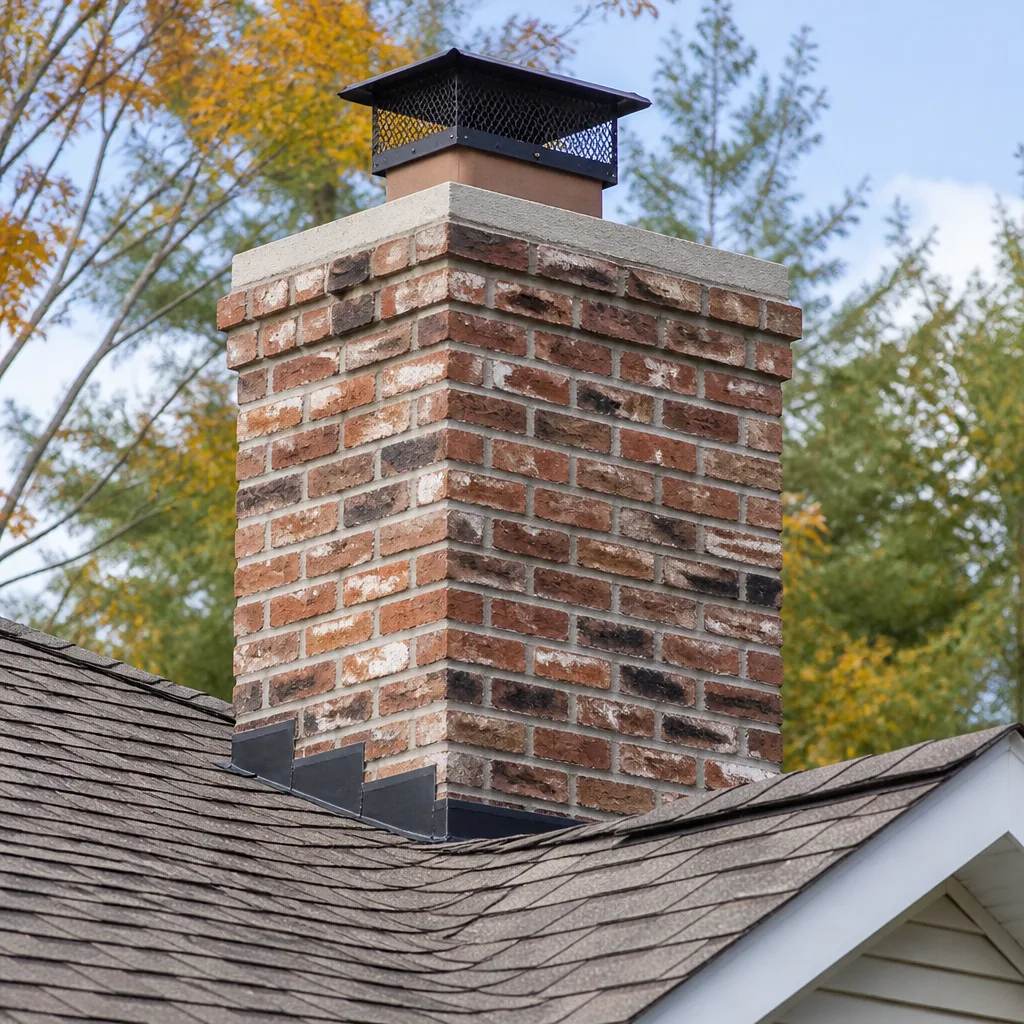 Masonry repair
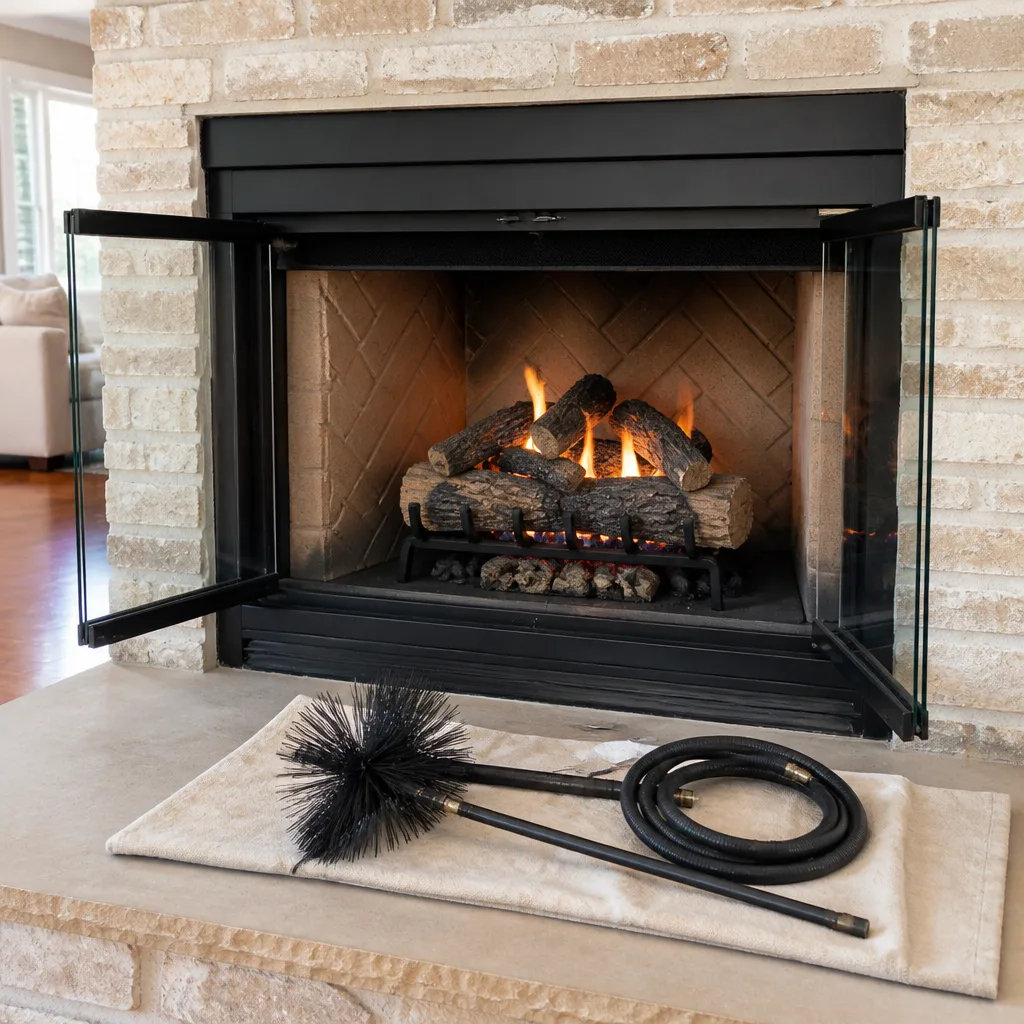 Gas fireplace service
Level 1 sweep and inspection to the NFPA 211 annual standard - flue, crown, cap, and flashing checked and photographed
Chimney sweep logs do not sweep chimneys. They loosen some creosote - which then falls where a brush and vacuum still have to collect it.
Chimney Sweep Maintenance Schedule: What to Do and When
The standard advice you’ll find online says to sweep and inspect your chimney once a year, every year, on a schedule that assumes long, cold winters. That advice was written for homes that burn wood most nights from October to April. It doesn’t map cleanly onto a Pompano Beach home that lights a fire a handful of times between November and March, or onto a house where the chimney sits unused while humidity and salt air work on the masonry twelve months a year. In this guide we lay out a maintenance calendar built around how homes here actually live: what to check and when to call, how often a sweep really makes sense for light use, why the most important inspection of the year happens before your first fire and not after, and which tasks you can handle yourself versus which need professional-grade tools. Pompano Beach weather has its own rhythm, and your chimney schedule should follow it.
Quick Answer
In Pompano Beach, most actively used wood-burning chimneys should be inspected once a year and swept when the inspection shows roughly an eighth of an inch or more of creosote buildup, which for light seasonal use often works out to every one to two years rather than every single season. The single most valuable inspection of the year is done in October, before the first fire, so any problem is found and fixed while the weather is still mild. Dryer vents follow a separate schedule based on household size and machine type, not the calendar.
Styles & brands we work with
- Sweep & inspection
- Caps & crowns
- Flue relining
- Masonry repair
- Gas fireplace service
Table of Contents
- Why a National Chimney Schedule Doesn’t Fit Pompano Beach
- Why the October Inspection Matters Most
- Your Month-by-Month Pompano Beach Maintenance Calendar
- How Often Should You Actually Sweep?
- What Humidity and Salt Air Do to Mortar Over a Year
- Dryer Vent Cleaning: The Right Interval for Your Household
- What You Can Check Yourself vs. What Needs a Professional
- Storm and Hurricane Season: Preparing and Checking After
Why a National Chimney Schedule Doesn’t Fit Pompano Beach
Most chimney guidance is written for cold-climate homes, and it shows. A house in Ohio might burn 80 nights a year, building thick creosote fast and needing a sweep every season. A Ponte Vedra or Pompano Beach home might light a fire six times between November and March, then leave the fireplace dark through the long warm stretch. The wear pattern is completely different. Instead of fire exposure, the dominant forces acting on a South Florida chimney are time, humidity, and salt air on the mortar and exposed metal.
That changes how you think about maintenance. In a cold climate the question is “how much creosote has built up?” Here the question is also “how has the masonry held up through the wet season, and is anything loose, cracked, or staining?” A chimney can go seasons with barely a fire lit and still develop problems, because the enemies are water and salt rather than soot.
Four things set the local timeline apart:
- Fireplace use is light and concentrated into a short season, so creosote accumulates slowly.
- Humidity and driving rain push moisture into masonry and mortar joints.
- Salt air in the atmosphere gradually attacks mortar, flashing, and any exposed metal components.
- Long idle months let small issues sit unnoticed until the first fire reveals them, which is why a pre-season inspection beats a post-season one.
The takeaway is simple. Treat the annual inspection as the anchor and let a sweep happen only when the chimney tells you it needs one. Then add moisture and salt checks on a schedule of their own.
Why the October Inspection Matters Most
If you do only one thing to your chimney this year, plan a full inspection into October, before the first fire. It’s the same reasoning as having a car looked over before a long drive rather than after the breakdown. In October the weather is mild, scheduling is easier, and any repair found gets finished before the season starts, so you’re not told you need work the day you wanted a fire.
Here’s what a professional-grade inspection covers at that point:
- The firebox and flue interior for creosote buildup, soot, and any obstruction such as a bird’s nest or leaves that found their way in during the off months.
- The damper, to confirm it opens and closes cleanly and seals when shut.
- The smoke chamber and flue tiles, checking for cracks in the clay liners that let heat and gases reach masonry.
- The crown, flashing, and mortar joints at the top, where moisture and salt damage show first.
- The cap, confirming it’s intact and keeping rain, wildlife, and debris out.
An inspection after the season has value too, but it catches damage late. If something needs sealing or relining, you’ve lost the mild repair months and risk starting the next season with an unresolved problem. We see the difference clearly in chimney sweep work: homeowners who inspect in October start the season with a clean, verified chimney, while those who wait often discover issues only when a fire smokes or smells off. Book the inspection before the first cool night, not after.
Your Month-by-Month Pompano Beach Maintenance Calendar
This calendar is built around South Florida’s dual seasons: the short fireplace season and the longer wet, storm-prone stretch. Use it as a checklist and adjust for how much you actually burn.
January and February
- Peak fireplace use. Keep an eye (and nose) on smoke or odors during a fire.
- Avoid burning green or wet wood; seasoned wood burns cleaner and builds less creosote.
- Note whether the damper seals and whether smoke comes back into the room.
March
- End-of-season check: as fireplace use tapers off, note any soot streaks or staining on the exterior masonry.
- Arrange a sweep if the season left visible deposit inside the firebox.
April and May
- Spring is a good window for any repair found during the winter, while weather is stable.
- Clear leaves and debris off the cap and out of the firebox.
- A visual once-over on the roof-line masonry: look for loose mortar or a cracked crown.
June through September
- Hurricane season: after any major storm, check the cap, crown, and flashing from the ground with binoculars.
- Watch for water stains on the ceiling or fireplace wall, which point to a flashing or crown issue.
- This is also the season to service the dryer vent (more on that below).
October
- The full pre-season inspection. This is the anchor appointment of the year.
- Complete any repair, relining, or resurfacing before the first fire.
- Order or split seasoned firewood so it’s ready before November.
November and December
- First fires of the season. Confirm draft, watch for smoke, and listen for any odd rattle.
- Keep the firebox clean between burns and stay on top of ash removal.
The whole point is that the busy, fire-heavy months are for enjoying the fireplace, and the mild months are for the work. Split it that way and nothing gets missed.
How Often Should You Actually Sweep?
Sweep when the chimney needs it, not just because a calendar turned over. The deciding factor is creosote: the tar-like residue that condenses from smoke and hardens on the flue walls. Roughly an eighth of an inch of buildup is the common threshold an inspection looks for, and thick, glazed creosote is a fire hazard that needs attention regardless of the date. In Pompano Beach, light use means a sweep often lands every one to two years, while a home that burns regularly burns through that interval faster.
Reading your own fire season helps you predict the schedule:
- A few decorative fires a season: an annual inspection, sweep only when it shows buildup.
- Regular weekly fires through the winter: inspect annually and expect a sweep most years.
- A gas or electric fireplace insert: no creosote, but the venting still needs periodic inspection.
- An unused chimney: still inspect occasionally for blockages, moisture, and masonry wear, because an empty flue is not a forgotten flue.
One habit worth adopting: check the firebox right after a season’s final fire. Soot and flaky creosote are easy to see there before they’re buried out of sight. If the firebox looks heavily coated, it’s time to call for a proper look, because a professional-grade sweep uses the right tools and a camera to see what the eye can’t from below. You can schedule that inspection through our Stratford Chimney Sweep team, and we’ll tell you plainly whether a sweep is even needed this year.
What Humidity and Salt Air Do to Mortar Over a Year
Mortar is porous, and in Pompano Beach it works against two forces instead of one. Humidity and driving rain push moisture into the joints, and salt in the air slowly eats away at the mortar’s surface. Over months, the cycle of wetting and drying can leave joints soft, sandy, and cracking. That’s why an annual mortar check arguably matters more here than the creosote count for a lightly used chimney.
You can watch for the warning signs yourself from the ground or the yard:
- Crumbling, sandy, or recessed mortar joints, especially on the chimney above the roof line.
- White, powdery staining on the masonry, a sign of moisture moving through and leaving salts behind.
- A cracked crown, the concrete cap at the very top that sheds water away from the flue.
- Rust stains or pitting on flashing and the cap from long exposure to moist, salty air.
- Loose bricks or a spalling surface where faces flake away.
Keeping water out is most of the battle. A sound crown and working flashing protect the masonry below, and where joints have degraded, resurfacing restores the flue rather than forcing a full tear-out. Our technicians have up to 10 years of experience with these repairs, and we use HeatShield resurfacing to restore damaged flues and DuraFlex liner systems when a flue needs relining instead. Catching a soft joint early is a small repair; catching it years late can mean rebuilding a whole section of masonry.
Dryer Vent Cleaning: The Right Interval for Your Household
Dryer vent cleaning is a fire-safety task, not a calendar formality, and its right interval comes from how much lint your household produces rather than the year. Lint is highly flammable, and a clogged vent traps it where a spark or excessive heat can reach it. That makes vent cleaning part of the same chimney-safety mindset: keep the exhaust path clear so heat and combustion byproducts go where they belong. Our dryer vent cleaning service exists for exactly this reason.
Here’s how to set your own interval:
- One or two people, occasional laundry: inspect and clean roughly once a year.
- A family of four or more, daily loads: every six to twelve months.
- A heavy household with multiple loads a day: every six months or sooner.
- Any household, if clothes take longer than one cycle to dry or feel unusually hot: check the vent promptly, regardless of schedule.
The warning signs are worth memorizing. Clothes that need a second cycle, a dryer that gets hot to the touch, a musty smell in the laundry area, or visible lint around the outdoor vent flap all point to reduced airflow. If you see any of those, it’s time for a cleaning rather than the next scheduled one. It’s one of the simplest ways to protect a home, and it’s the reason we treat dryer vents as part of the same fire-safety scope as the chimney.
What You Can Check Yourself vs. What Needs a Professional
There’s a real line between maintenance you can safely handle and work that needs a trained eye and professional tools. Knowing it keeps you safe and keeps your chimney in good shape between inspections.
Safe for you to do
- Visual checks of the masonry, crown, and cap from the ground with binoculars.
- Keeping the firebox clean and removing ash between fires.
- Confirming the damper opens, closes, and seals.
- Watching and listening during a fire for smoke, odors, or odd noises.
- Clearing leaves and debris from around the cap where it’s safely reachable and not on the roof.
Needs a professional
- Anything that involves going up on the roof or working at height.
- Removing creosote from the flue, especially glazed or thick deposits.
- Cracked flue tiles, relining, and resurfacing work.
- Repointing mortar and repairing the crown or flashing.
- Full dryer vent cleaning on long or complex runs.
The reason isn’t gatekeeping. Creosote removal and relining call for proper rods, brushes, a camera, and materials like our Copperfield and Olympia Chimney components. More importantly, the flue is a confined space and the effort happens at height, where a fall or a misstep is serious. We always recommend a trained professional for anything above the firebox line.
Storm and Hurricane Season: Preparing and Checking After
Hurricane season runs June through November in South Florida, and the chimney needs attention both before and after the worst of it. Before a storm, a quick walk-around and a ground-level look at the roof line flag anything already loose that wind could tear away. The cap and crown take the brunt, and a missing cap means rain, debris, and wildlife can get straight into the flue. A secure Gelco-style cap does real work here.
After a major storm, check the following from a safe position, not on the roof:
- Look at the cap and crown from the ground for visible cracks, missing pieces, or a shifted cap.
- Scan the masonry for new spalling or fresh cracks in the joints.
- Check the flashing where the chimney meets the roof, looking for gaps or lifting.
- Go inside and look for water stains on the ceiling, walls, or around the fireplace.
- Smell for mustiness near the firebox, which can mean moisture got in.
If you find damage, don’t put a fire in the chimney until it’s been checked. A compromised crown or flashing lets water into the flue, and a damaged cap leaves the opening exposed. This is exactly the kind of repair we handle in Pompano Beach, from sealing and resurfacing to relining, and it’s simpler to schedule in the calm weeks than after the season begins.
Common Mistakes to Avoid
- Following the cold-climate annual sweep rule blindly. A lightly used Pompano Beach chimney often doesn’t need a sweep every year, but it still needs an inspection. Let the inspection decide.
- Waiting until after the season to inspect. Post-season inspections catch damage late, when repair windows are tight. The October pre-season check prevents surprises on the first cold night.
- Ignoring the masonry because the fire barely gets lit. Humidity and salt air damage mortar whether or not you burn wood. A clean firebox can still sit under a crumbling crown.
- Treating dryer vent cleaning as optional. Lint buildup is a fire risk and a performance problem. It deserves the same respect as your chimney, worked out by household size rather than skipped.
- Skipping repairs that seem small. A hairline crack in the crown or a soft mortar joint grows through a wet season. Fixing it early is a fraction of the cost of rebuilding later.
- Burning wet or green wood. It smokes more, drafts poorly, and leaves more creosote. Seasoned wood keeps the flue cleaner between sweeps.
- Climbing on the roof to “just take a look.” Ground-level checks with binoculars catch most visible issues safely. Anything at height or inside the flue is a job for a professional.
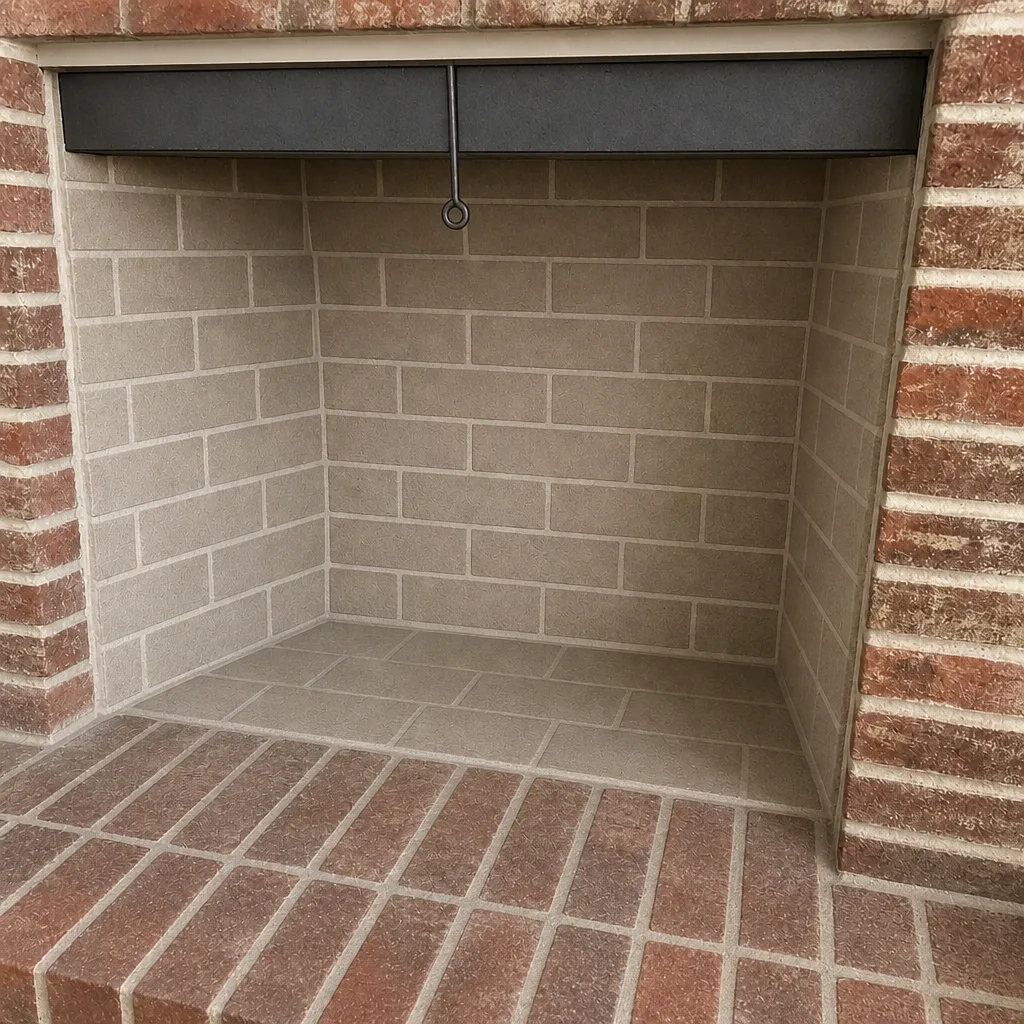
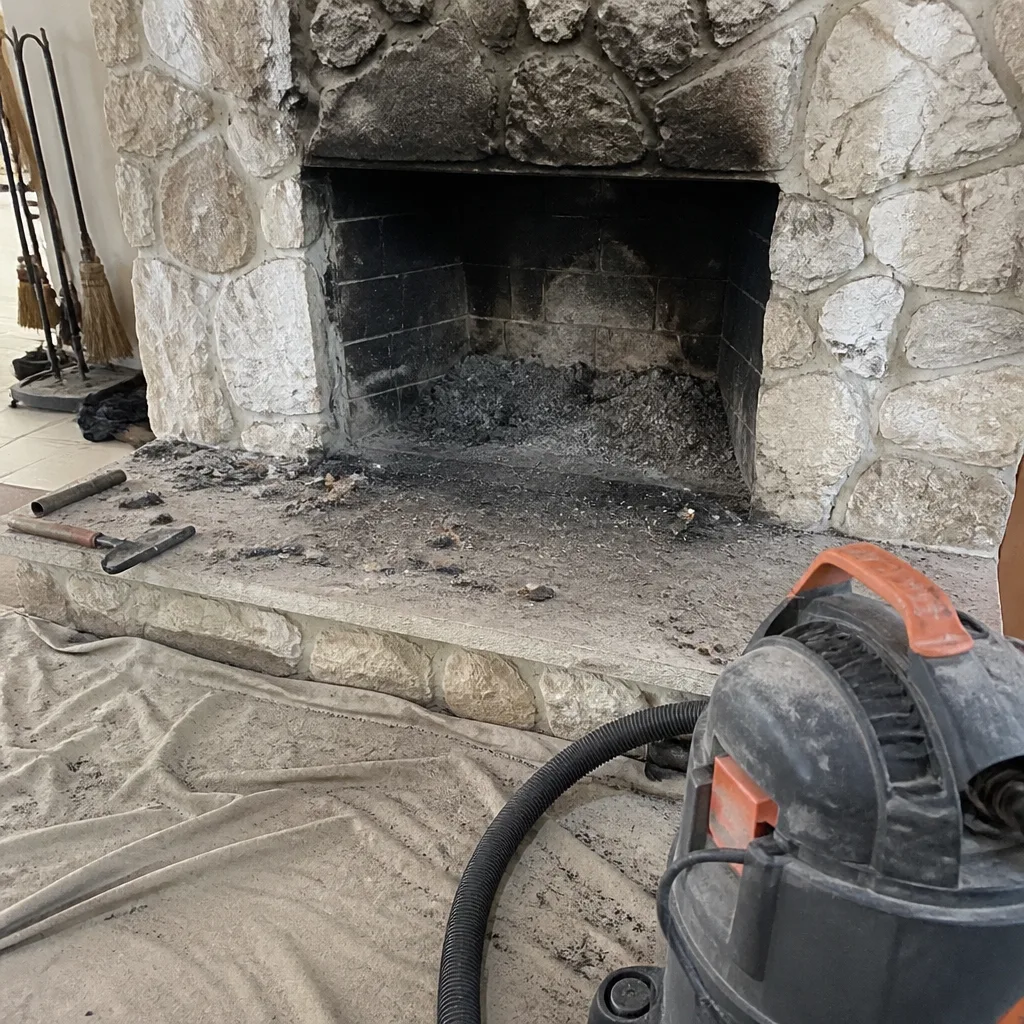
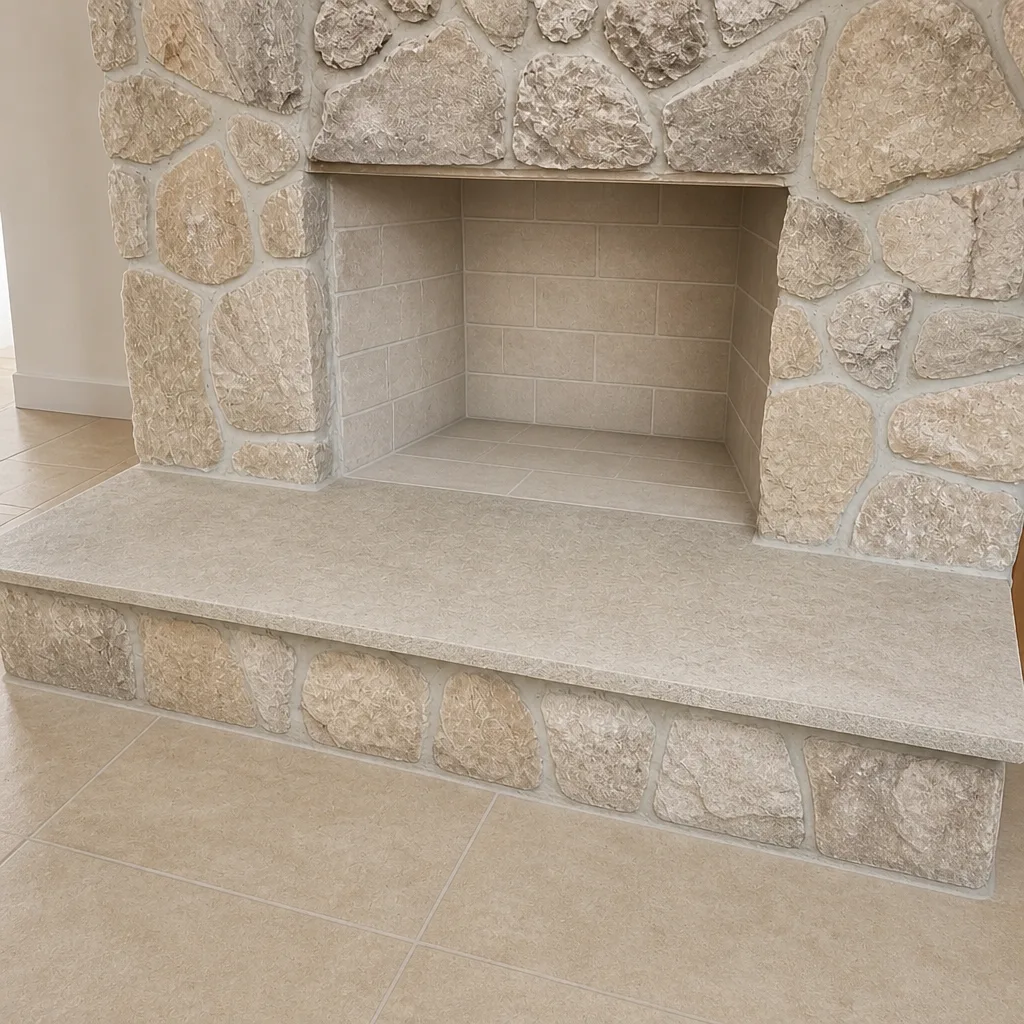
See the difference
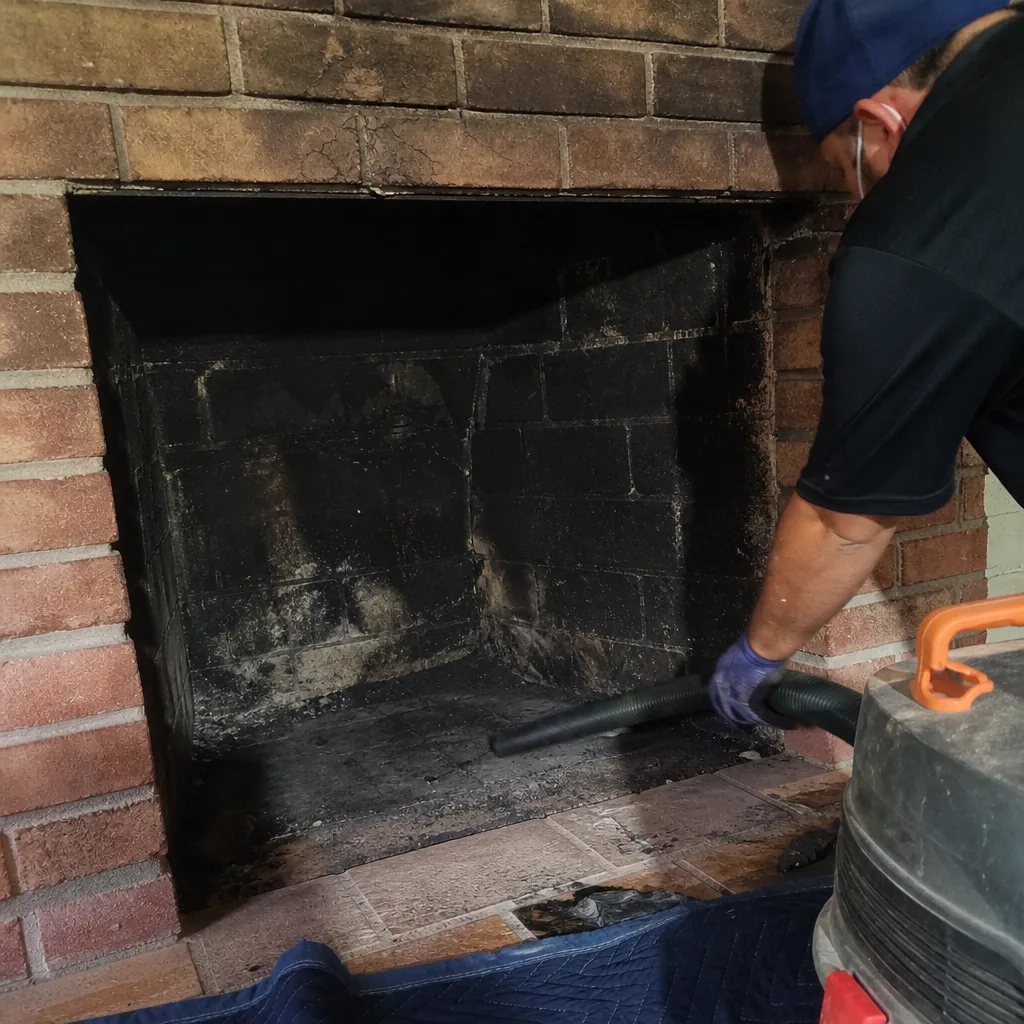 Before
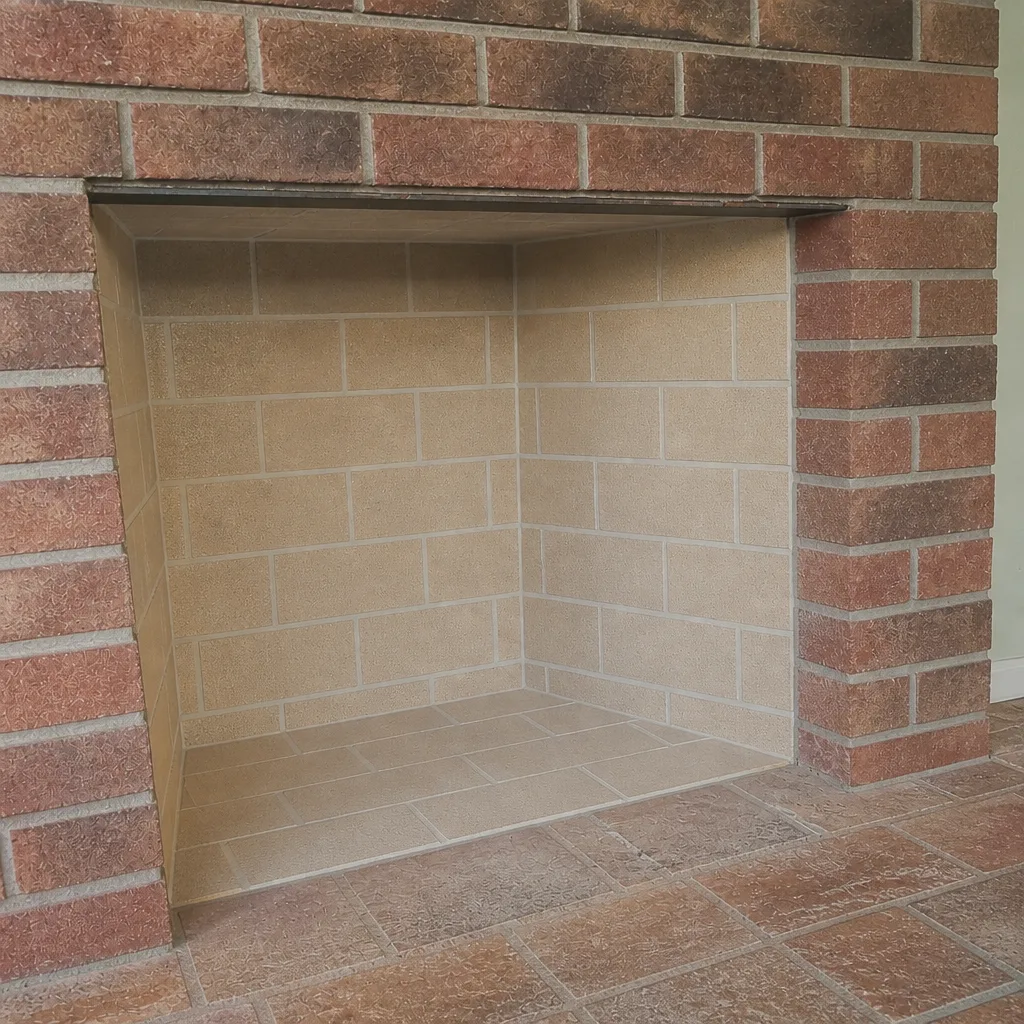 After
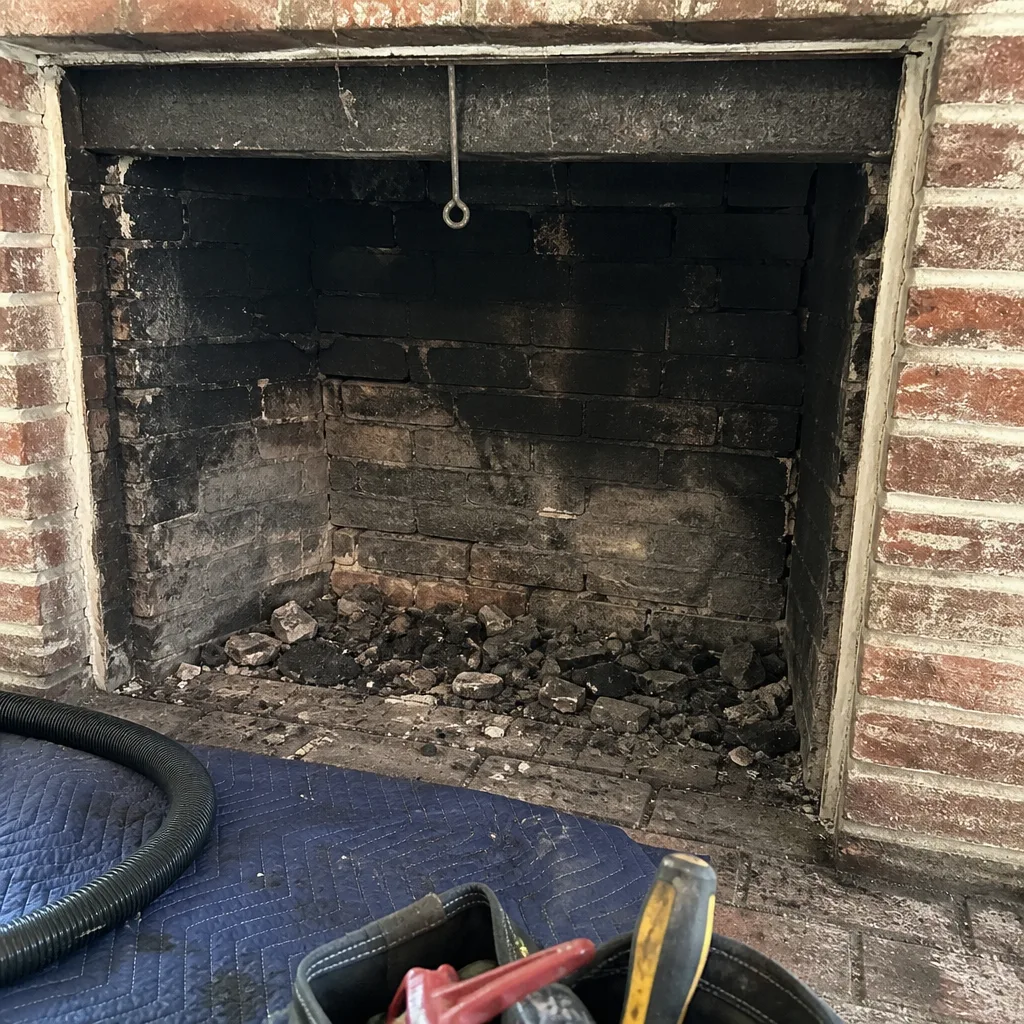 Before
 After
 Before
 After
When to Call a Professional
Call a professional when a fire smokes into the room, when you smell a strong odor even with no fire burning, when you spot cracked or crumbling masonry, or when water shows up around the chimney. Call, too, if you can’t remember the last inspection and the chimney has sat idle for seasons, or if a storm has left the cap or crown looking damaged. Any of these is a reason to have the flue checked with a camera and the masonry looked over properly rather than guessed at. We offer free estimates in Pompano Beach through Stratford Chimney Sweep. Call (866) 361-5813 to book an inspection and get a straight answer on whether a sweep or repair is really needed this year.
Frequently Asked Questions
Most actively used wood-burning chimneys here should be inspected once a year and swept when an inspection shows roughly an eighth of an inch or more of creosote buildup, which often works out to every one to two years rather than every season because fireplace use is light. Call (866) 361-5813 for an exact assessment and a free estimate.
Yes, an annual inspection still makes sense because humidity and salt air damage masonry over the year regardless of how often you burn. The inspection covers the crown, flashing, and mortar as much as it covers the flue. Call (866) 361-5813 to schedule one before the season starts.
October, before the first fire of the season, is the best window because any problem is found and repaired while the weather is still mild. It also means you start the season with a verified chimney instead of discovering an issue on a cold night. Call (866) 361-5813 to book an October inspection and a free estimate.
Inspect and clean the dryer vent roughly once a year for one or two people, every six to twelve months for a family of four or more, and every six months or sooner for a household running multiple loads a day. Any sign of longer drying times or a hot dryer means checking it sooner. Call (866) 361-5813 for dryer vent cleaning and a free estimate.
You can safely handle visual checks from the ground, firebox cleanup, and damper checks, but flue cleaning, masonry repair, and relining need professional tools and training, especially since the work happens at height and inside a confined flue. Call (866) 361-5813 if a sweep or repair is on your list.
Creosote builds up, which raises the risk of a chimney fire, and undetected masonry damage lets moisture and salt work deeper into the structure until a small repair turns into a rebuild. A yearly inspection catches both before they compound. Call (866) 361-5813 for an inspection and a free estimate.
The Bottom Line
Your Pompano Beach chimney doesn’t need a cold-climate schedule, but it does need its own. Anchor the year with an October inspection before the first fire. Sweep when an inspection shows real buildup, which for light use is often every one to two years rather than every season. Watch the mortar, crown, and flashing through the wet months, because humidity and salt air do their damage whether or not you light a fire. Keep the dryer vent on a schedule set by household size, and know where your own safe checks end and a professional’s tools begin. Follow that, and the fireplace stays ready without any annual guesswork. Our technicians have up to 10 years of experience, and we use DuraFlex, HeatShield, Gelco, and Olympia Chimney materials to handle what a sweep uncovers, from a clean flue to a restored one.
Ready to Book Your Inspection?
If it’s time for your October check, a sweep you’ve been putting off, or a dryer vent that’s overdue, we’re glad to help. Stratford Chimney Sweep handles chimney sweep, chimney repair, and dryer vent cleaning across Pompano Beach, with free estimates and straight answers about what actually needs doing. Call (866) 361-5813. We answer 24/7. Fast dispatch from 7am to 7pm, Sunday through Friday.
Written by the team at Stratford Chimney Sweep.