
Last updated November 14, 2026
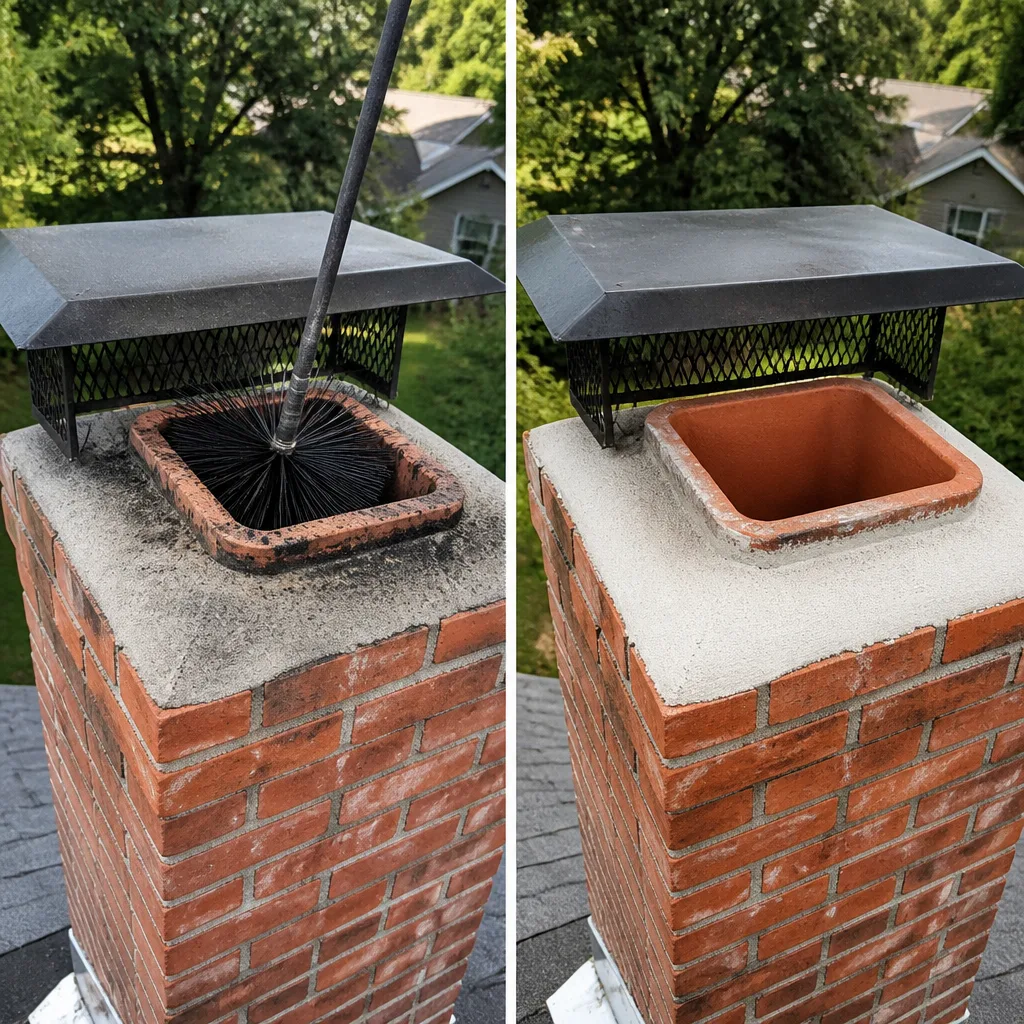 Sweep & inspection
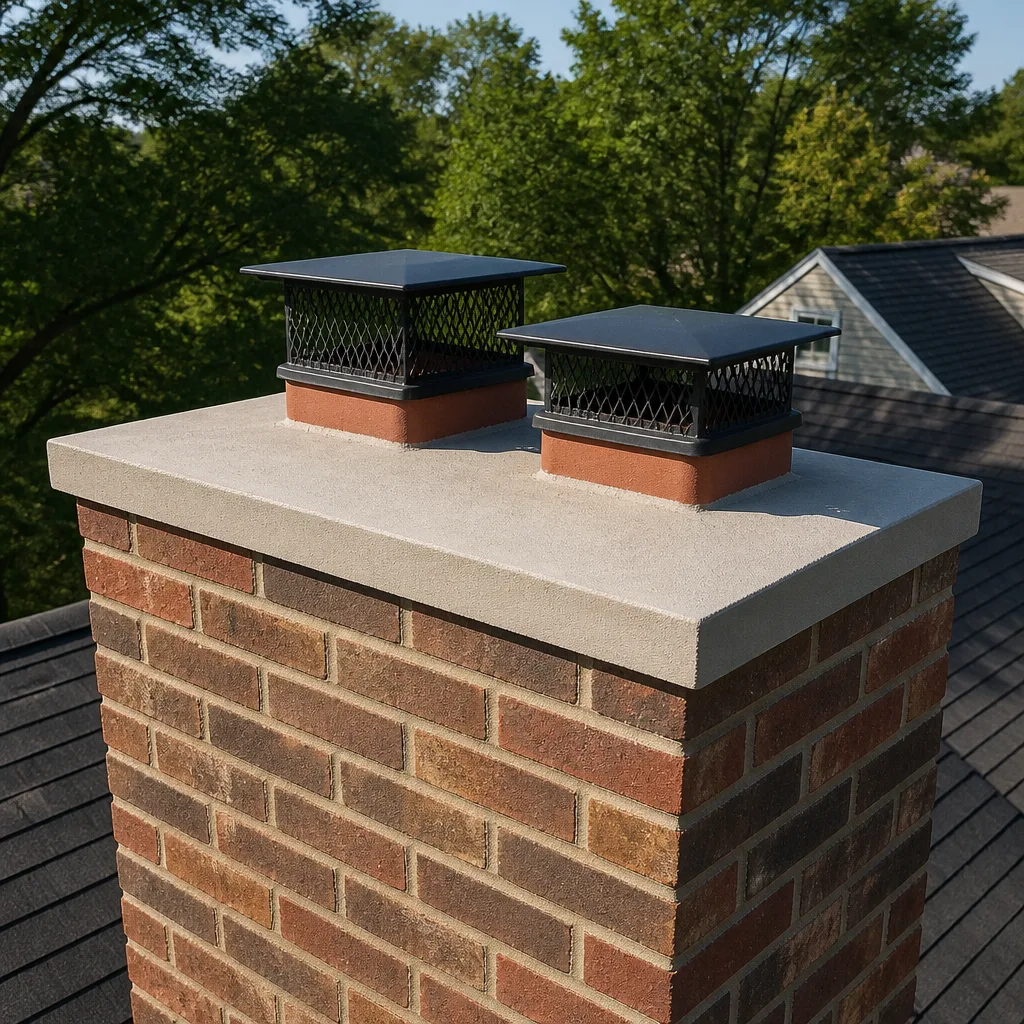 Caps & crowns
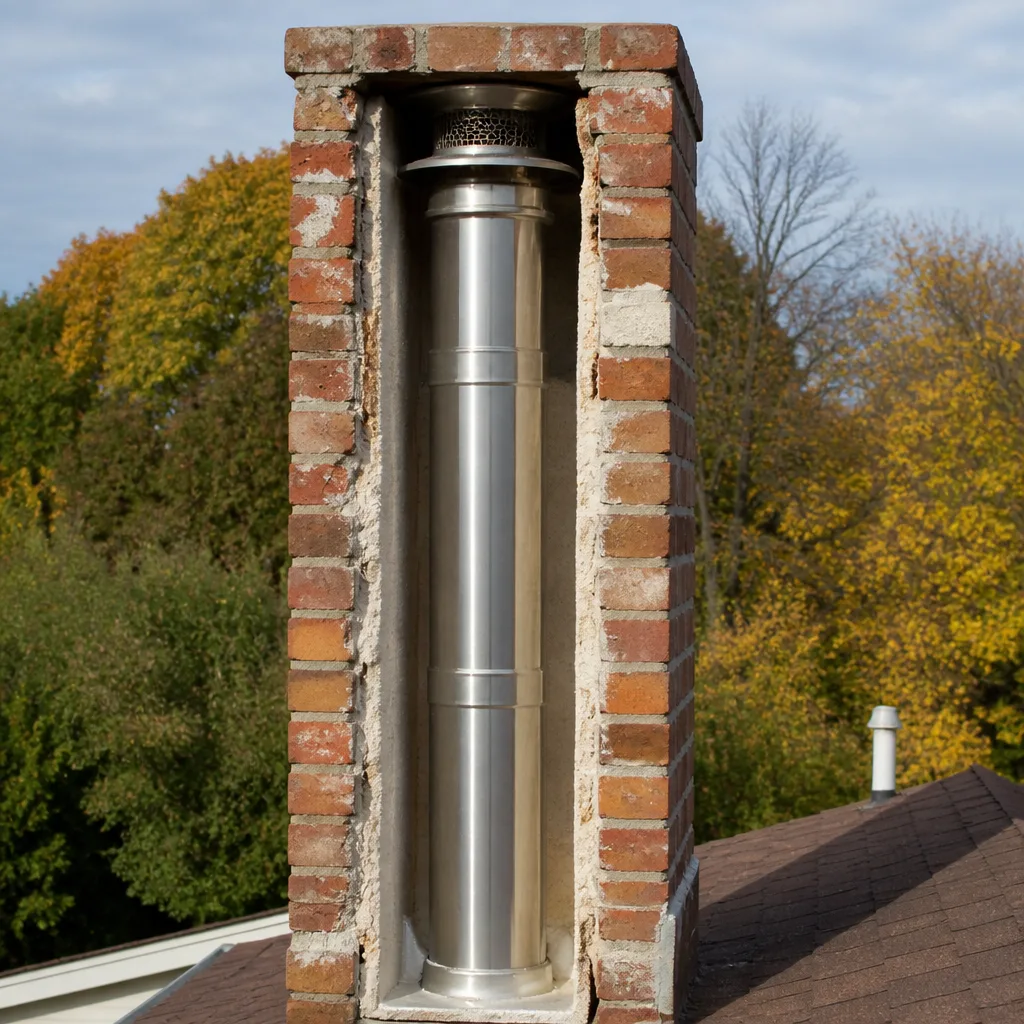 Flue relining
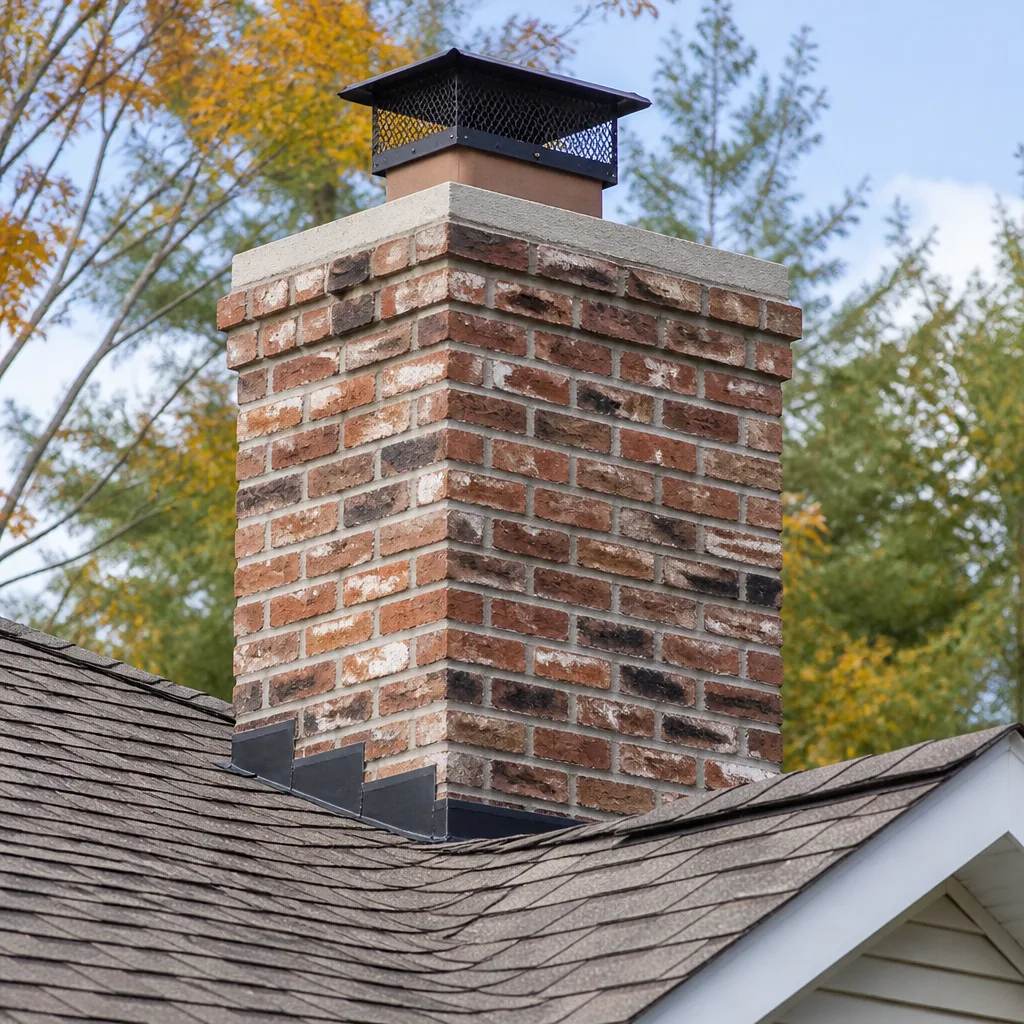 Masonry repair
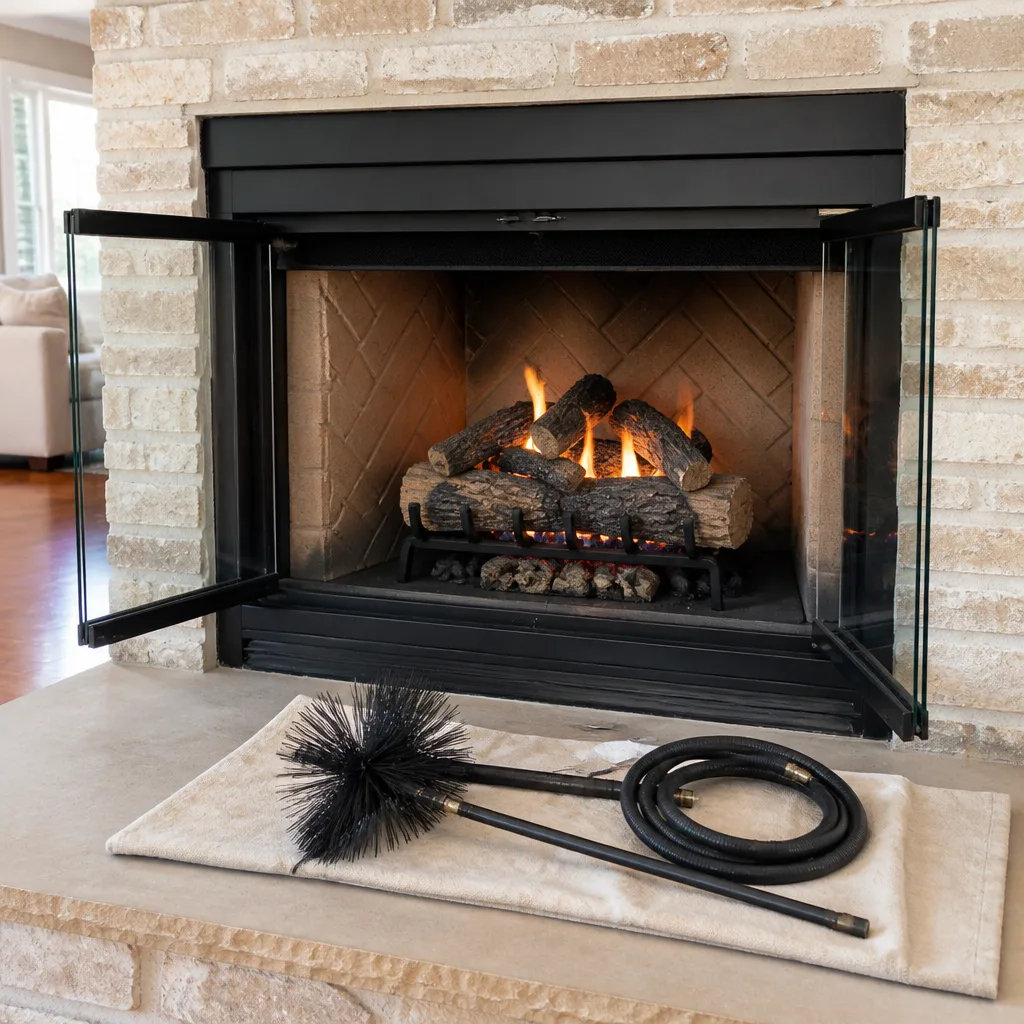 Gas fireplace service
Level 1 sweep and inspection to the NFPA 211 annual standard - flue, crown, cap, and flashing checked and photographed
Chimney sweep logs do not sweep chimneys. They loosen some creosote - which then falls where a brush and vacuum still have to collect it.
Chimney Cleaning Warning Signs: A Pompano Beach Homeowner’s Reference Guide
A chimney rarely fails without warning. It gives you signs first, and most of them are visible from the ground, from the firebox, or from the smell of a room. The trouble is that those signs don’t look like warnings to anyone who hasn’t learned to read them. A chalky white stain on exterior brick reads as cosmetic. A musty smell in July reads as humidity. A little rust on the damper reads as age. In our experience around Pompano Beach, every one of those is a structural message, and this guide teaches you to hear it: what each pattern means, how far the damage has usually progressed by the time you see it, and which signs mean you can wait for a scheduled sweep versus which mean you should stop burning and call. By the end you’ll know exactly what to look at, what to photograph, and what to say when you pick up the phone.
Quick Answer
The main chimney cleaning warning signs are a strong smoke or creosote smell on days you aren’t burning, chalky white staining or flaking brick on the exterior, rust or white crusty deposits inside the firebox, a musty or mildew odor from the fireplace in summer, and debris or scratching sounds from the flue. Any of these means the chimney needs a professional inspection and likely a sweep before the next fire. In Pompano Beach the most common early sign we find is moisture in the masonry, showing up as efflorescence or rusted metal well before the homeowner notices a draft or a smoke problem.
Styles & brands we work with
- Sweep & inspection
- Caps & crowns
- Flue relining
- Masonry repair
- Gas fireplace service
Table of Contents
- What Do Stains on the Exterior Brick Actually Mean?
- Efflorescence, Spalling, and Staining: Reading the Three Moisture Stages
- What Can the Inside of Your Firebox Tell You?
- Why Does My Fireplace Smell Musty in Summer?
- How Do You Spot Animal Intrusion in a Pompano Beach Chimney?
- The Roofline Check: 8 Warning Signs You Can See With Binoculars
- How Much Creosote Is Too Much, and What Does Each Level Look Like?
- When to Call a Professional
What Do Stains on the Exterior Brick Actually Mean?
Most exterior chimney stains are not cosmetic, and the color tells you which way water is moving. A white, powdery bloom means moisture is passing through the masonry and pushing dissolved salts to the surface as it dries. A dark or greenish patch usually means water is staying put long enough to support algae, which points to a leak at the crown or flashing rather than the brick itself. A brown or rust-colored streak below the crown tells you metal components up top are already corroding and sending runoff down the face of the chimney.
In our experience, homeowners in Pompano Beach tend to notice exterior staining long before anything goes wrong indoors, because the brick faces are visible from the driveway and the afternoon sun throws the contrast. That’s useful. It means the exterior is giving you a head start, provided you know what you’re looking at.
Walk to the yard, look up at the chimney from two different angles, and ask yourself:
- Is the color pattern new? Compare it against a photo from a year ago if you have one. New white bloom after a wet season is meaningful.
- Is the stain below the crown, at the flashing, or near the ground? Where it starts is usually where the leak starts.
- Are the bricks still crisp at the corners? Soft or crumbling edges mean water has been sitting in the brick, not just passing through.
- Does the stain get darker after rain? If yes, that wall is living wet.
A single faint bloom once after a heavy rainy stretch is not an emergency. A pattern that returns and grows each season is. The difference matters because a chimney that stays damp long enough will eventually need masonry work rather than a sweep, and the timeline from the first stain to that point can be as short as a couple of seasons. This is one of the reasons we treat exterior staining as a chimney sweep trigger: the sweep is the checkup that confirms which stage you’re in.
Efflorescence, Spalling, and Staining: Reading the Three Moisture Stages
Moisture damage on brick moves through three recognizable stages, and knowing the stage tells you roughly what a chimney needs. Stage one is efflorescence: the chalky white stain. Stage two is spalling: the brick face flaking, peeling, or popping off in flat chips. Stage three is structural loss: disintegrated mortar joints, loose brick, and a crown that has broken up or separated from the flue. Stage one is a warning. Stage two is an active repair. Stage three is a masonry rebuild.
What most people don’t realize is how quickly a Pompano Beach chimney can run through those stages. Our summers combine heavy rain with high heat, and a chimney that stays wet on one side gets the worst of both: water soaks in during the downpour, then the sun immediately pulls it back out through the surface, carrying salts with it and leaving crystals behind. That cycle is what drives the bloom. It also softens mortar, which is why the crown and the joint between the crown and the flue are where the trouble often starts.
A simple stage-by-stage reference:
- Efflorescence (white powder, wipes off): the chimney is taking on water. Likely culprits are the crown, the flashing, or a cracked cap. A sweep and inspection usually tells you which. Not urgent, but don’t let it sit.
- Spalling (brick face flaking or popping off): the moisture has penetrated and is freezing the salts just under the surface. Repair is needed. At this stage a resurfacing system like HeatShield can often be applied to the flue without tearing out the whole liner – a repair path that cleaning-only companies don’t have access to.
- Structural loss (soft mortar, loose brick, cracked crown): repairs have to happen before it burns again. A rebuild of the affected section or a reline with a system like DuraFlex may be needed.
One note on calling this early: a mid-stage chimney is not a fire risk yet, but the moment you see moisture, it is already losing the thing that holds it together. Waiting a season costs more than a sweep. Call (866) 361-5813 and we’ll walk you through what you’re looking at before you commit to anything.
What Can the Inside of Your Firebox Tell You?
The firebox is the most underrated diagnostic surface in the house, and almost every warning sign here is something you can see with a flashlight in under a minute. Rust on the damper and its hardware means water is getting into the flue; the damper is metal and doesn’t rust in dry air. White crusty deposits on the firebox walls are usually salts from the same moisture cycle that causes exterior efflorescence. Black, glossy creosote is a different message: that’s the burn residue, and its texture tells you how close you are to a flue fire.
Here’s the check we walk homeowners through over the phone. Have a flashlight and a mirror if you have one, and look for:
- Rust or corrosion on the damper frame, the damper blade, or the fireplace grate. Any of these on an interior metal part is water in the flue.
- White or salt-like crust on the brick or mortar of the firebox walls. Same moisture source, slightly different stage.
- Flaking or crumbling mortar between firebox bricks. The joints should be firm. If you can pick at it with a fingernail, it’s eaten.
- Black, glossy residue on the walls. That’s glazed creosote. The flue needs a professional cleaning before the next fire.
- A loose or missing damper. Means you’re losing heat, gaining smoke, and burning less efficiently than you think.
- Cracks or gaps in the brickwork or the fireback panel. This is the highest-stakes item on the list and one to photograph for the technician.
What we want to be clear about: the firebox is safe to look at, not safe to fix. Cracks, mortar loss, and fireback damage all lead to heat on the wrong side of the masonry, and that’s a job for a trained professional. Photograph what you see, note which fireplace wall it’s on, and don’t try to repoint or patch it yourself. When your tech sees the photo, that single image often confirms whether you’re facing a resurfacing job or a larger repair.
Why Does My Fireplace Smell Musty in Summer?
A musty, mildew, or “old basement” smell coming from a fireplace in summer is a flue moisture problem, not a housekeeping one. The chimney is a tall, dark, vertical shaft. When warm moist air from a Pompano Beach summer meets a cooler surface inside the flue, condensation forms, and once the flue is damp it stays damp: mold starts on the mortar and creosote film, and the smell drifts into the room. In our experience, this is the warning sign homeowners most often misattribute to the house itself.
The distinction matters because the fix is almost never a deep clean of the living room. The fix is finding and sealing where the water is getting in. Usual suspects, in rough order of frequency:
- A missing, cracked, or poorly fitting chimney cap. A Gelco cap, in the right style, protects the flue opening and lets the masonry breathe – a small piece of equipment that solves more moisture complaints than people expect.
- Failed flashing where the chimney meets the roof.
- A crown that has cracked or separated from the flue.
- A water heater or furnace flue sharing the same chase, where the flue has no proper liner for its appliance.
What to do now: sniff the fireplace, not the room. If the smell is strongest at the hearth, the source is the flue. Run your hand along the firebox walls for damp; if it feels cooler and wetter than the surrounding masonry, you have a moisture problem that needs an inspection. Don’t burn the fireplace to “dry it out.” Venting hot gases through a cold, wet, possibly blocked flue is the worst possible summer experiment. Call for a sweep and ask specifically for a moisture inspection. Our Stratford Chimney Sweep team handles that scope and will tell you whether it’s a cap, a crown, or a liner issue based on what the camera finds.
How Do You Spot Animal Intrusion in a Pompano Beach Chimney?
Animal intrusion looks different here than in cold-climate states, because Florida wildlife doesn’t need a warm shelter – it needs a safe one, and a dry chimney fits. The signs are usually audible before they’re visible: scratching, fluttering, or a soft “cooing” sound from the flue in the early morning or late afternoon. Visible signs include feathers or nesting material dropping into the firebox, dark droppings on the smoke shelf, and a cap that has been bent or partly pushed aside. Bats, birds, squirrels, and chimney swifts all use uncapped chimneys. A raccoon that has lost its way up a flue is not something to investigate yourself.
In a Pompano Beach home, the chimney is one of the few tall, dry, dark voids on the property, and wildlife will find it. The main gatekeeper is the cap. If your cap is missing, cracked, or loosely seated, the flue is open all year, and the peak season for intrusions runs from early spring into early fall.
Signs and the conditions that usually go with them:
- Wings, feathers, or downy debris on the smoke shelf: a bird or bat has been inside and the cap is compromised.
- Twigs, leaves, or shredded material at the base of the firebox: nesting material has been dragged down.
- Scratching or a chittering sound in the flue: live animal inside; leave the damper closed, open the firebox door gently, and call a professional or wildlife control. Do not light a fire.
- A bent, rotted, or partly dislodged cap: an entry point even if nothing’s inside yet.
- A cap that is intact but the chase cover or mesh is torn: same risk on a shorter timescale.
Most animal intrusions end with the same two fixes: a properly fitted cap and a sweep to clear out the nesting material and clean the flue afterward. Nesting material in a flue is both a blockage and a fuel load, which is why we treat a compromised cap as a scheduling priority rather than an aesthetic issue. Copperfield caps and similar fittings are standard parts we source from our supply network, and a properly fitted cap closes off the access point entirely.
The Roofline Check: 8 Warning Signs You Can See With Binoculars
You can inspect a chimney’s upper structure from the ground with a pair of binoculars, and it’s worth doing once a season before the first cool snap. Stand across the yard, brace your elbows on a fence or car roof for steadiness, and look for these eight specific conditions. None of them require getting on the roof, and each one is a real signal.
- Cracked or missing chimney cap. The cap sits over the flue opening, sheds rain, and keeps animals out. A crack, a missing component, or a cap that’s slid sideways is the single most common cause of interior moisture.
- Cracked or crumbly crown. The crown is the sloped concrete slab at the top. Cracks or a separated edge mean water is running into the top of the chimney.
- Visible flashing gap or separated flashing at the roofline. Flashing is the metal seal between chimney and roof. Any daylight, lift, or rust stain right below it is a leak in progress.
- Loose or missing mortar joints. Look for horizontal lines that have gone black, missing, or recessed. That’s the mortar, and it holds the whole stack together.
- Spalling brick faces. Chips, flakes, or “missing” fronts of brick that leave a hollowed look.
- A chimney that looks noticeably out of plumb. A lean compared to the roof ridge, even a small one, needs professional assessment before further use.
- Cracked or stained flue tile visible at the top. Flue tiles should be clean and solid. Cracks, offsets, or heavy dark staining are structural warnings.
- Damaged or disconnected spark screen or top-sealing damper. Any metal component visibly loose, bent, or missing.
What you can’t see from the ground is the inside of the flue, and that’s where most of the consequential information lives. The roofline check tells you whether to schedule an inspection now or after the season. It’s not a substitute for one. If you see two or more of the eight items above, book the sweep and bring the binoculars photo with you. We can work from that image and a camera inspection to tell you what’s actually going on and what can safely wait. The scope of a dryer vent cleaning inspection works on the same principle, by the way – the visit is cheap, the finding is what matters, and the fix is only what the evidence supports.
How Much Creosote Is Too Much, and What Does Each Level Look Like?
Creosote builds in three recognizable stages, and the middle stage is the one that changes the plan. Stage one is soot and light flaking: a dusty, easily brushed deposit. Stage two is a crusted, flaky layer that comes off with the right tool and some effort. Stage three is glazed, shiny, tar-like creosote that has bonded to the flue wall and requires more than a brush. It is also the stage at which a flue fire becomes plausible. If you see glossy black residue on the firebox walls or smell a sharp, acrid creosote odor when the chimney is cold, you’re at or near stage three.
How much you accumulate depends mostly on what and how you burn. In Pompano Beach, where most fireplaces run for a short season rather than a long northern winter, the buildup is often less than a northern homeowner’s – but the risk isn’t lower, because a flue that only sees a handful of fires a year can still accumulate deposits, and the moisture from a damp flue makes the creosote stickier and harder to brush off. Slow-burning, smoldering fires produce the most; hot, well-ventilated fires produce the least. Burning unseasoned wood and letting it smoke produces glazed creosote faster than anything else.
The practical read:
- Stage 1: routine sweep. No concern. Schedule it.
- Stage 2: sweep with a proper brush, possibly more than one pass. The chimney needs it, and it’s a routine fix.
- Stage 3: the flue needs professional cleaning and a careful inspection afterward. If the glazing has damaged the flue tile, resurfacing with HeatShield or relining with a DuraFlex system may be the repair. Don’t light a fire in the meantime.
The rule we give every homeowner: if you can’t remember the last time the chimney was swept, you can’t rule out stage three just by looking at the fireplace. That’s the entire argument for a camera inspection on the first visit. Our technicians have up to 10 years of experience identifying what stage a flue is in, and that judgment is what lets an estimate be honest rather than padded. Call (866) 361-5813 and ask for a sweep with a camera report – the visual evidence comes with it.
Common Mistakes to Avoid
- Treating efflorescence as a cosmetic issue. A chalky white stain on the exterior of the chimney means water is moving through the masonry right now. Painting over it seals in the moisture and speeds up the damage underneath. Fix the source, not the visible symptom.
- Burning a fire to “dry out” a damp flue. This is the most dangerous mistake on the list. Pushing hot gases through a wet, possibly cracked or blocked flue is how small problems become structural ones. If the flue is wet, stop burning and get it inspected.
- Assuming a musty summer smell is just Florida humidity. In a Pompano Beach home, that smell is almost always coming from the flue, and it’s a moisture signal. The house is fine. The chimney isn’t.
- Lighting a fire with an animal in the flue. If you hear scratching, close the damper, keep the firebox door shut, and call. A fire lit over a nest is a fire in the wrong place.
- Skipping the cap replacement because “it still looks fine from the ground.” A cap that has a hairline crack, a bent mesh, or a slightly loose fit is an open door. It’s the cheapest single piece of safety equipment on the entire chimney, and it’s the first thing a proper inspection checks.
- Hiring the lowest bid from an unvetted crew. A crew that doesn’t carry proper repair materials can only sweep. If they find a broken crown or a glazed flue, they may not have a repair path, which means either a handoff to a second contractor or an overstated recommendation. Ask what they can repair, not just what they can clean.
- Putting off the first sweep because the fireplace “works fine.” A fireplace can function normally while the flue film is a stage two or stage three problem. Working fine is not the same as safe – which is why the sweep exists.
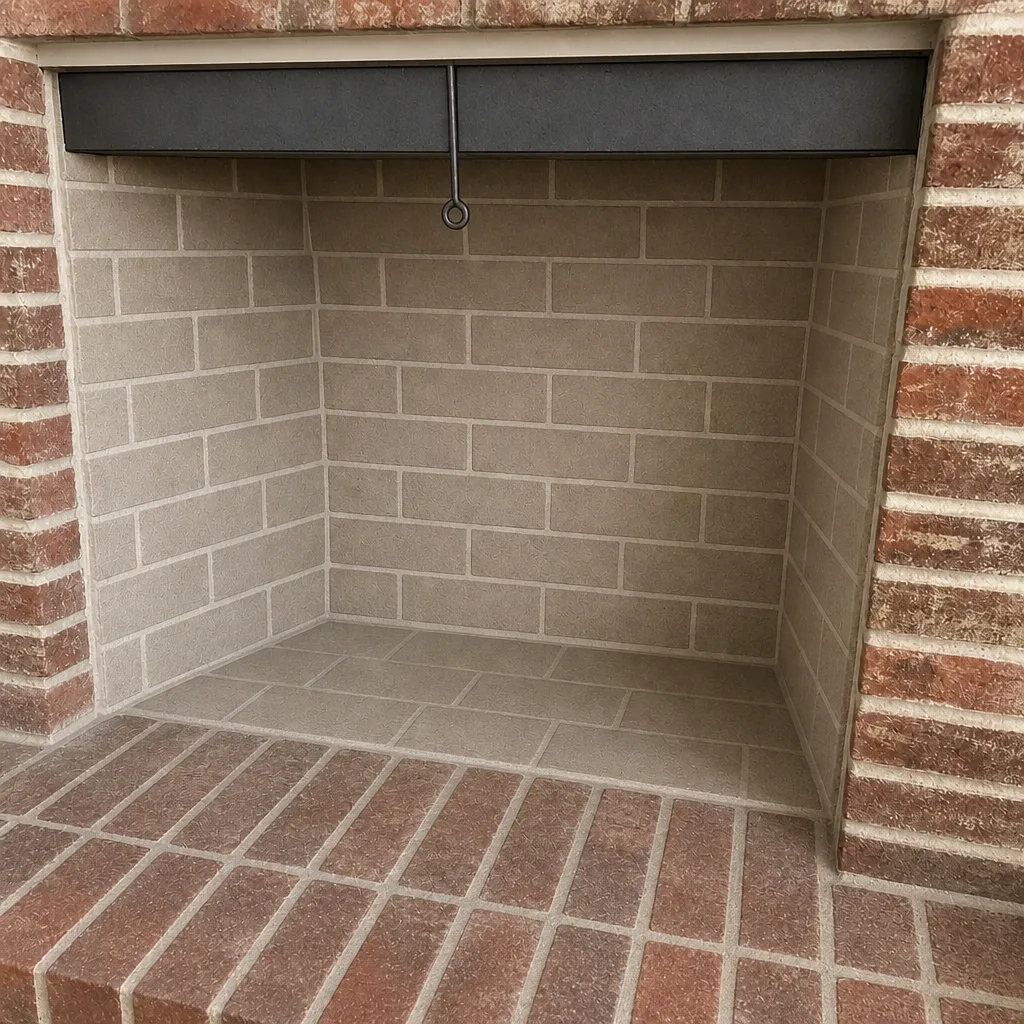
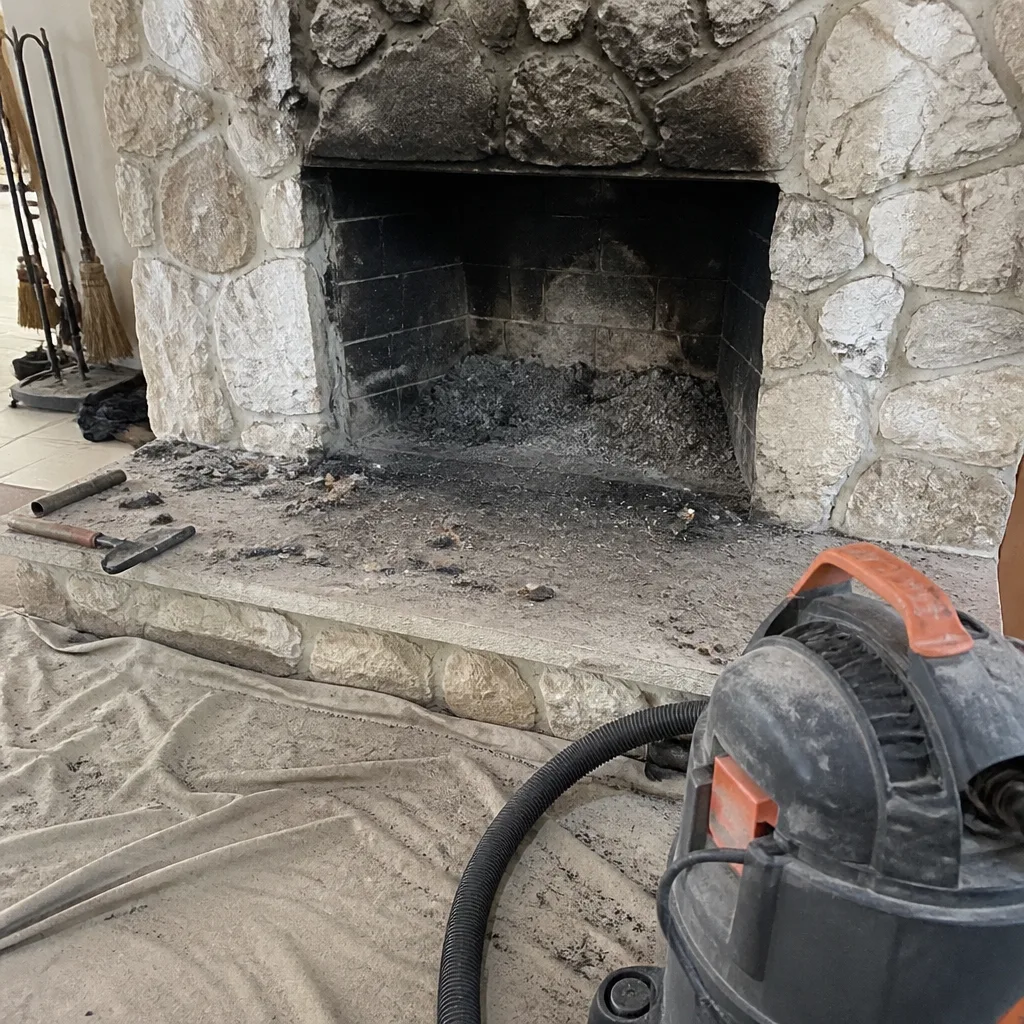
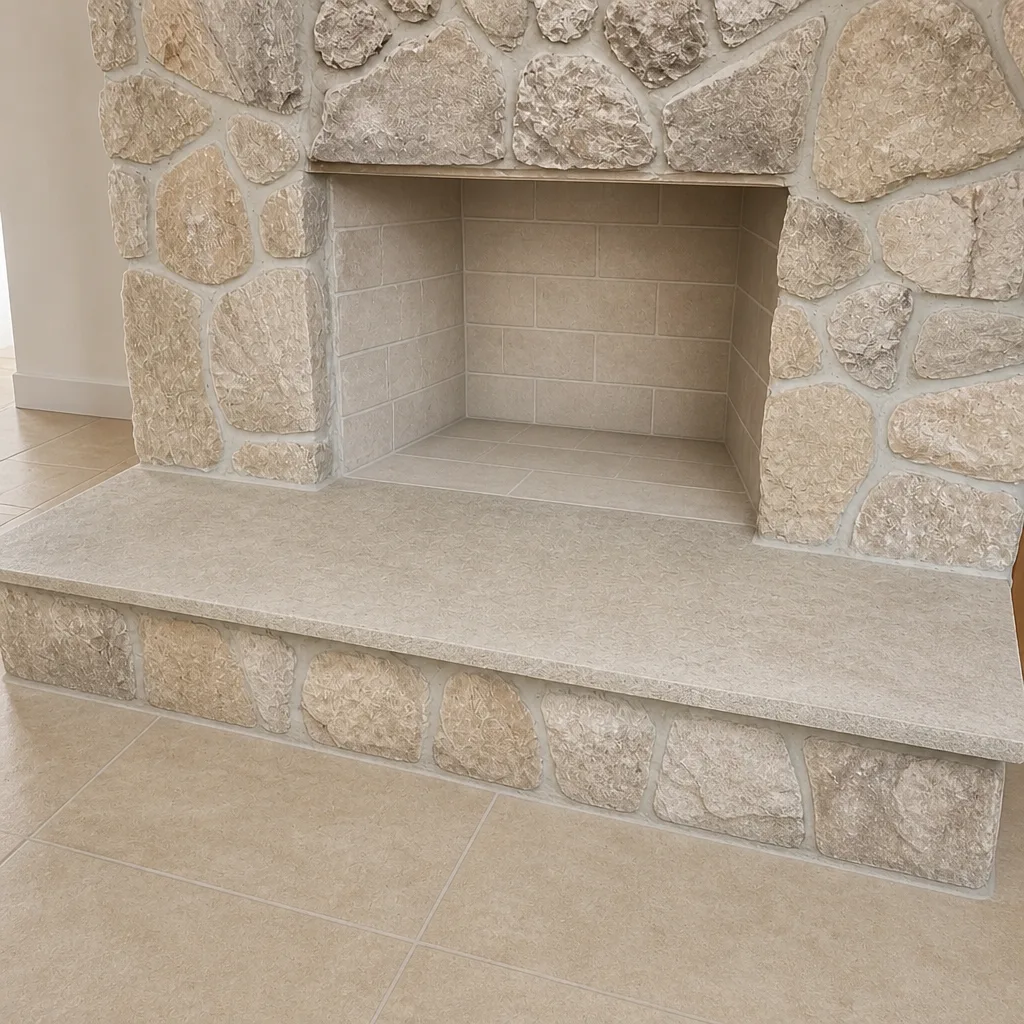
See the difference
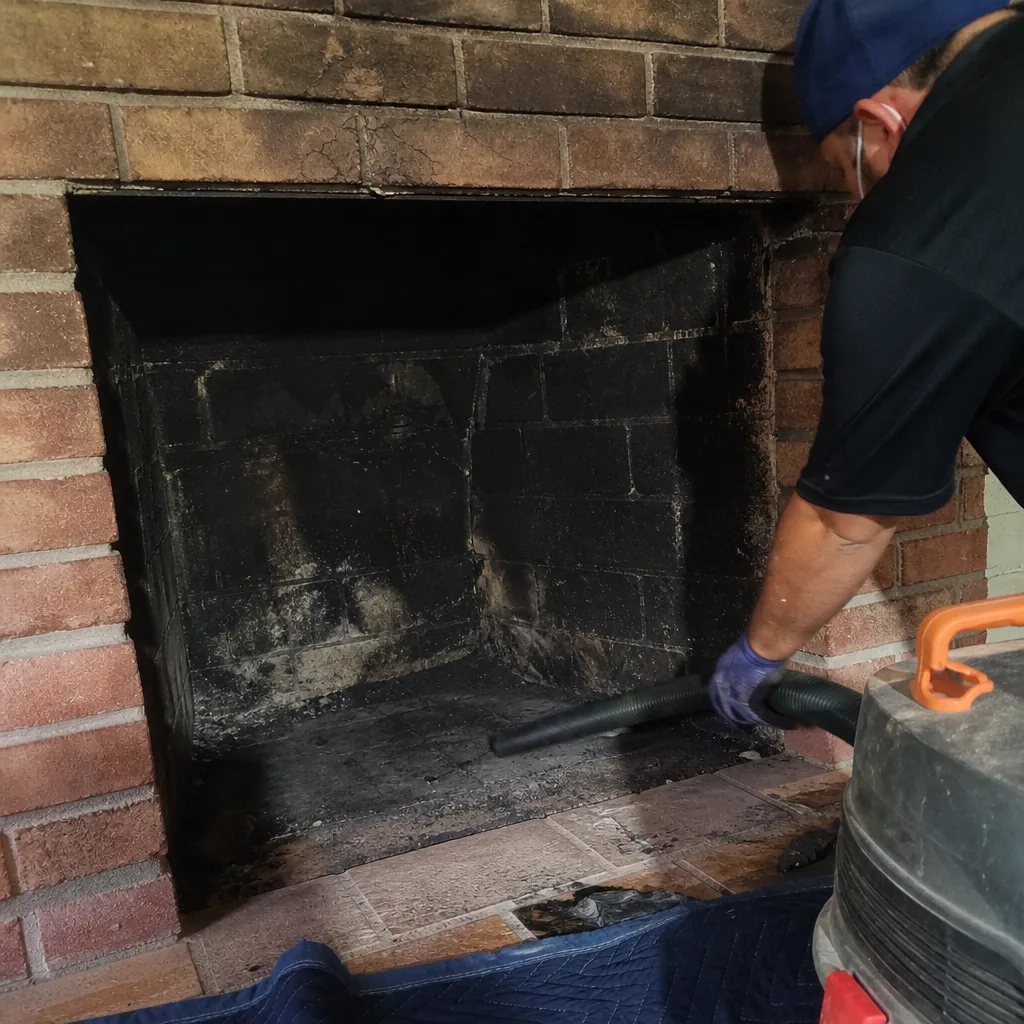 Before
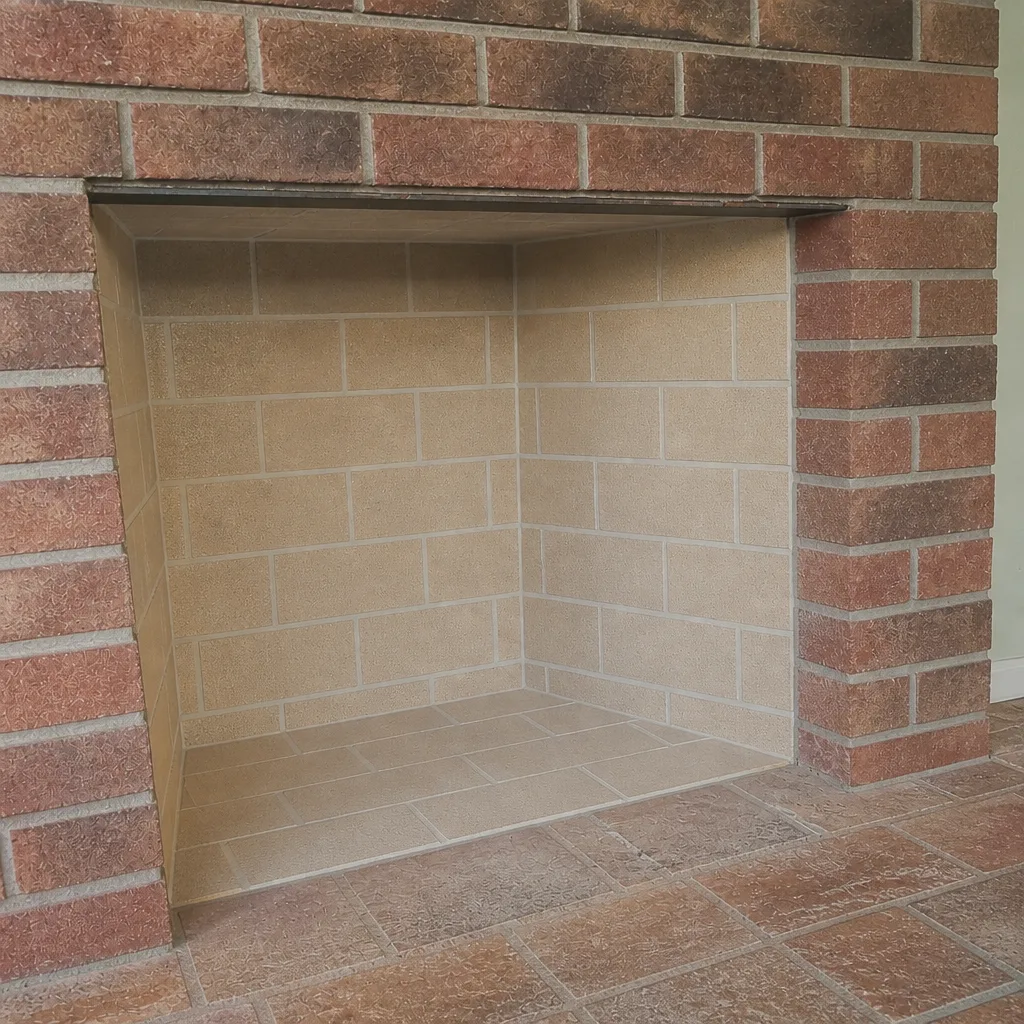 After
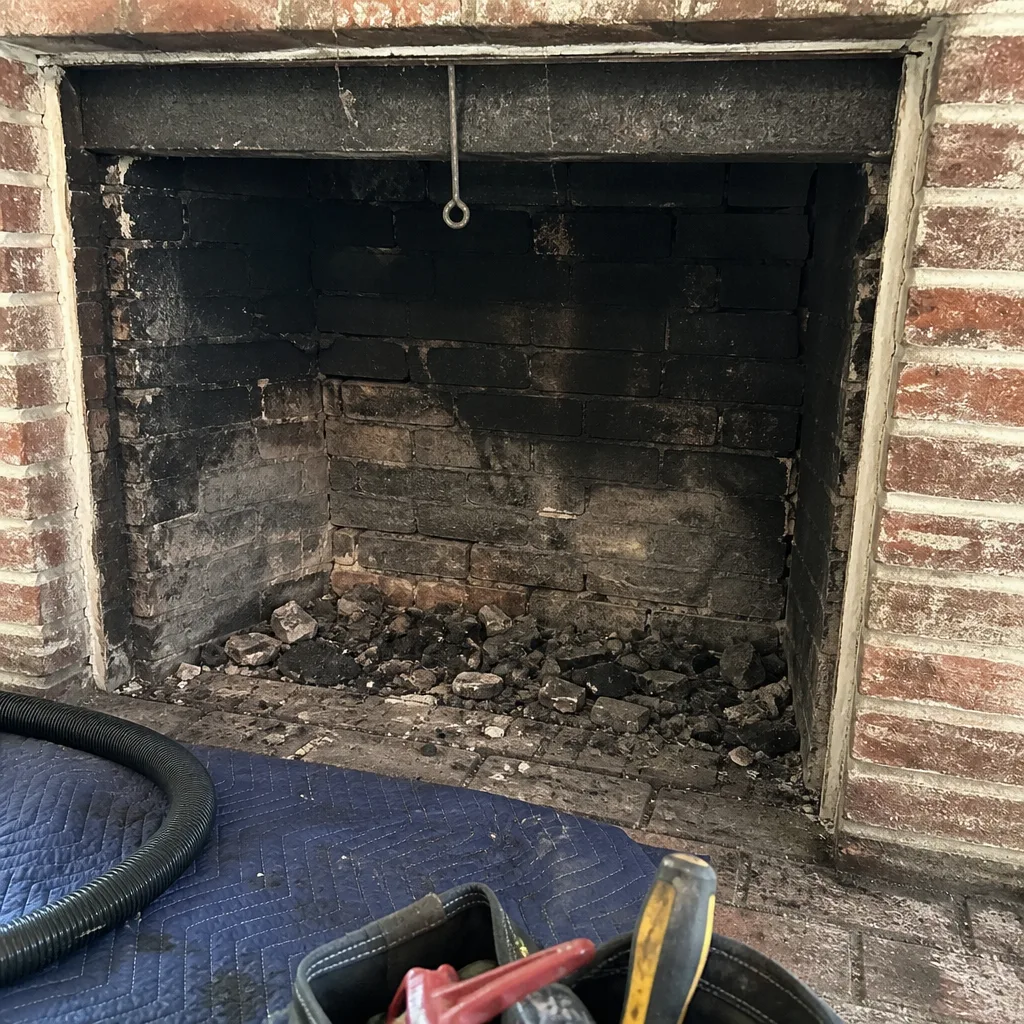 Before
 After
 Before
 After
When to Call a Professional
Call now if you see any of the following: rust or white deposits inside the firebox, a cracked or missing chimney cap, spalling brick, cracked flue tiles, a musty smell from the hearth in summer, scratching sounds from the flue, an existing warning sign or two from the roofline list, or a fire that has started smoking back into the room. Also call if you’re burning less efficiently than you used to, if your damper no longer closes cleanly, or if you’re simply unsure when the chimney was last swept. Stop burning until a professional has looked at it.
Stratford Chimney Sweep offers free estimates in Pompano Beach – call (866) 361-5813. We answer 24/7. Fast dispatch from 7am to 7pm, Sunday through Friday. Every estimate is set per job by the written estimate, and nothing is recommended without camera evidence you can see for yourself. Our sweep-to-repair continuum means a finding during the cleaning can be quoted and addressed by the same company, so you’re not calling a second contractor to sort out the first one’s report. And if the work can safely wait until after the season, we’ll tell you that too.
For homeowners across Pompano Beach, a full-service chimney company matters more than a cheap one, because the real value is in what gets found, explained, and fixed. That’s a relationship you keep year after year, and it starts with one visit a season.
Frequently Asked Questions
Most Pompano Beach chimneys should be swept once a year if the fireplace is used regularly, and inspected at least once a year regardless of use. The reasoning is that buildup and moisture damage can accumulate without anything changing in what you see from the living room, so a sweep is a checkup rather than a cleanup. If the fireplace only gets a handful of fires a season, the annual inspection is still the right cadence. Call (866) 361-5813 for an exact schedule based on what kind of fire you burn.
A white chalky stain on the exterior brick is efflorescence, and it means water is moving through the masonry right now and pushing dissolved salts to the surface as it dries. It’s not cosmetic. The most common causes in our experience are a compromised crown, failed flashing, or a missing or damaged cap. Left alone, the same moisture that causes the bloom moves on to spalling, where the brick face flakes off. Don’t repaint it – find the source. Call (866) 361-5813 for a free estimate on identifying what’s actually causing it.
Because the flue is damp. The chimney is a tall, dark shaft, and warm summer air meeting a cooler flue surface creates condensation. Once damp, the flue grows mold on the mortar and creosote film and the smell drifts into the room. The source is usually the cap, flashing, or crown. A sweep and a moisture inspection almost always identifies the specific entry point. Call (866) 361-5813 for a free estimate – a shop vac and a scented candle won’t fix it.
Treat them as urgent. Scratching or fluttering from the flue means a live animal is inside, and lighting a fire in that condition is dangerous. Close the damper, keep the firebox door shut, and call a professional or wildlife control. After the animal is out, the chimney needs a sweep to clear nesting material and a properly fitted cap to close the entry. Call (866) 361-5813 and we’ll walk you through the next step.
No, and we’d advise against it. The combination of a rooftop, a brush, and a flue is a fall hazard and a suffocation hazard at the same time, and there’s no way to inspect the flue from above with the same accuracy as a camera sweep from below. The cleanup afterward is also a real job. This is a paid sweep for a reason. Call us for a free estimate instead: (866) 361-5813.
You ask for camera evidence you can see for yourself, and you decline any recommendation that comes without it. A legitimate finding comes with a photo or video of the flue interior and a specific description of the problem: a cracked crown at a specific location, a glazed section of flue, a failed flashing joint. Our estimates are free, set per job by the written estimate, and we’ll tell you plainly when work can safely wait. Call (866) 361-5813.
The Bottom Line
The most important chimney warning signs are not the ones you hear – they’re the ones you can see, and most of them are visible from your own yard or your own firebox. Efflorescence, spalling, rust on the damper, white deposits on the firebox walls, a musty summer smell, scratching sounds, and the eight-item roofline check are the reading list. Stage one is a warning, stage two is an active repair, and stage three is masonry work. The cheapest, most reliable move in Pompano Beach is the annual sweep with a camera inspection, because it tells you which stage your flue is in and what can safely wait. If a warning sign is on the list above, don’t burn until you’ve had it looked at.
Call (866) 361-5813 for a free estimate. We answer 24/7. Fast dispatch from 7am to 7pm, Sunday through Friday. Our technicians have up to 10 years of experience, we work with the industry’s established product lines including DuraFlex, HeatShield, Copperfield, Gelco, Famco, and Olympia Chimney, and every recommendation we make comes with visual evidence from the flue. Nothing gets quoted without it.
Written by the team at Stratford Chimney Sweep.