
Last updated November 14, 2026
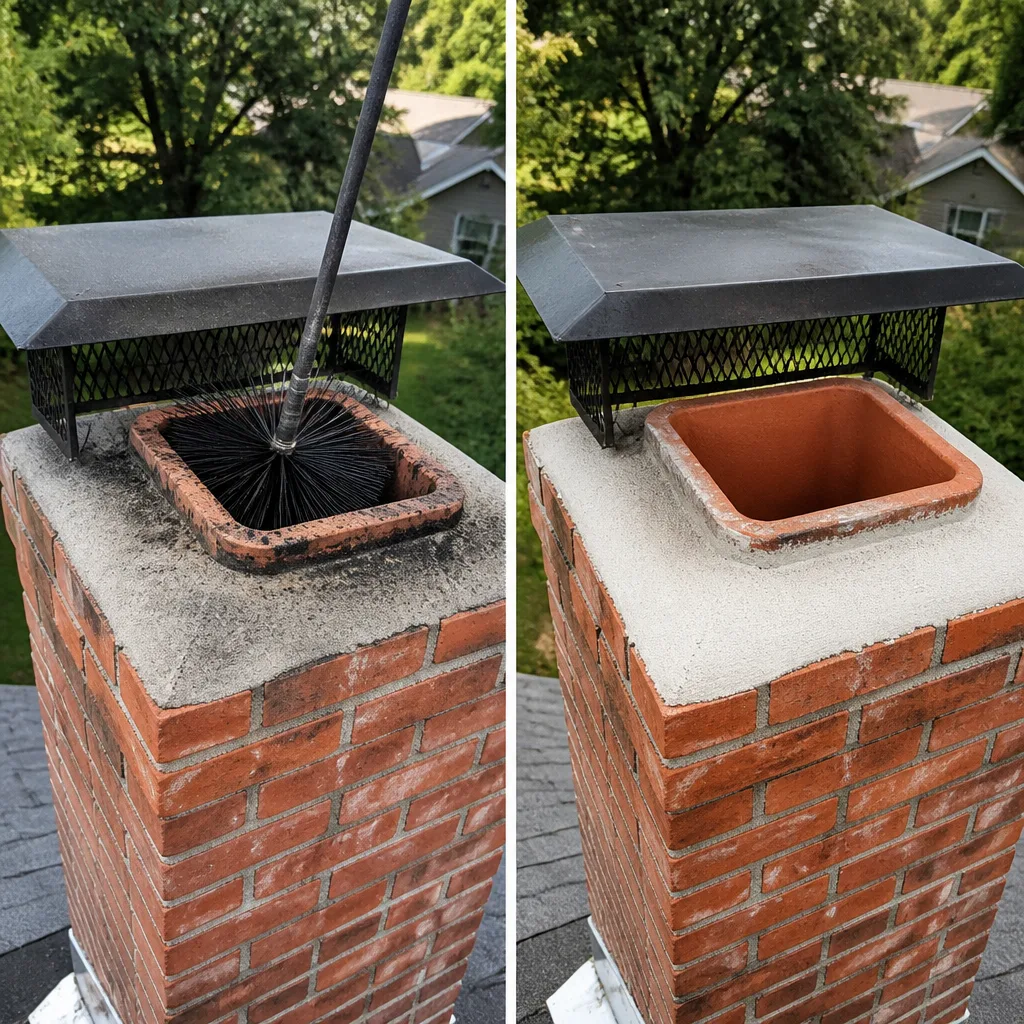 Sweep & inspection
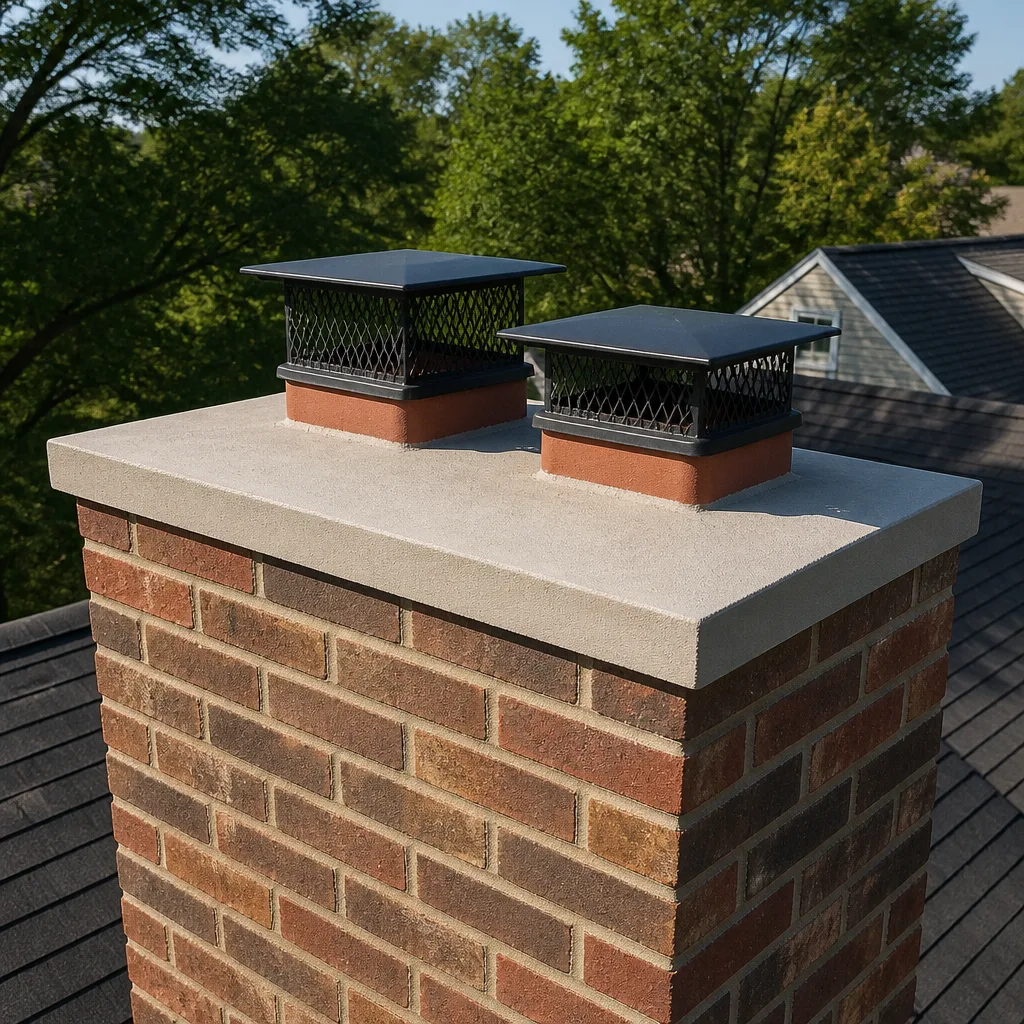 Caps & crowns
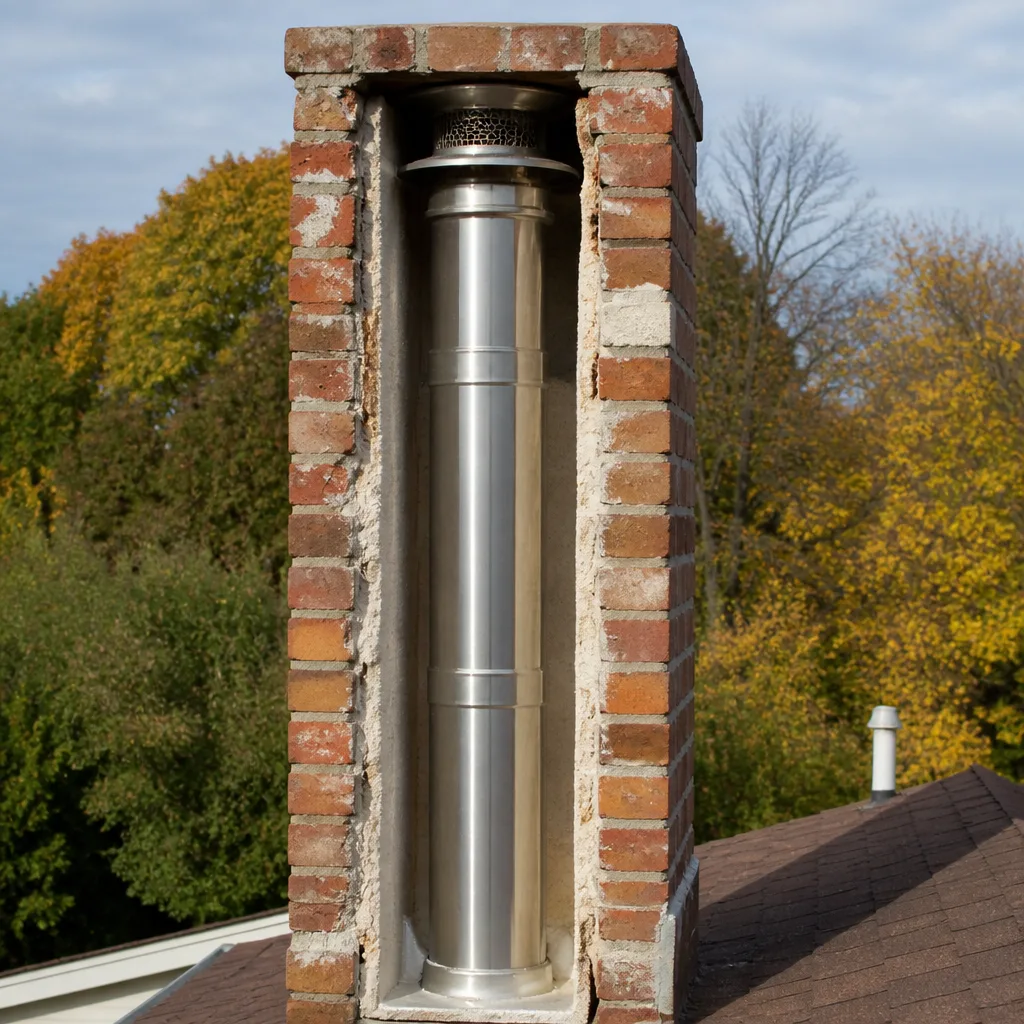 Flue relining
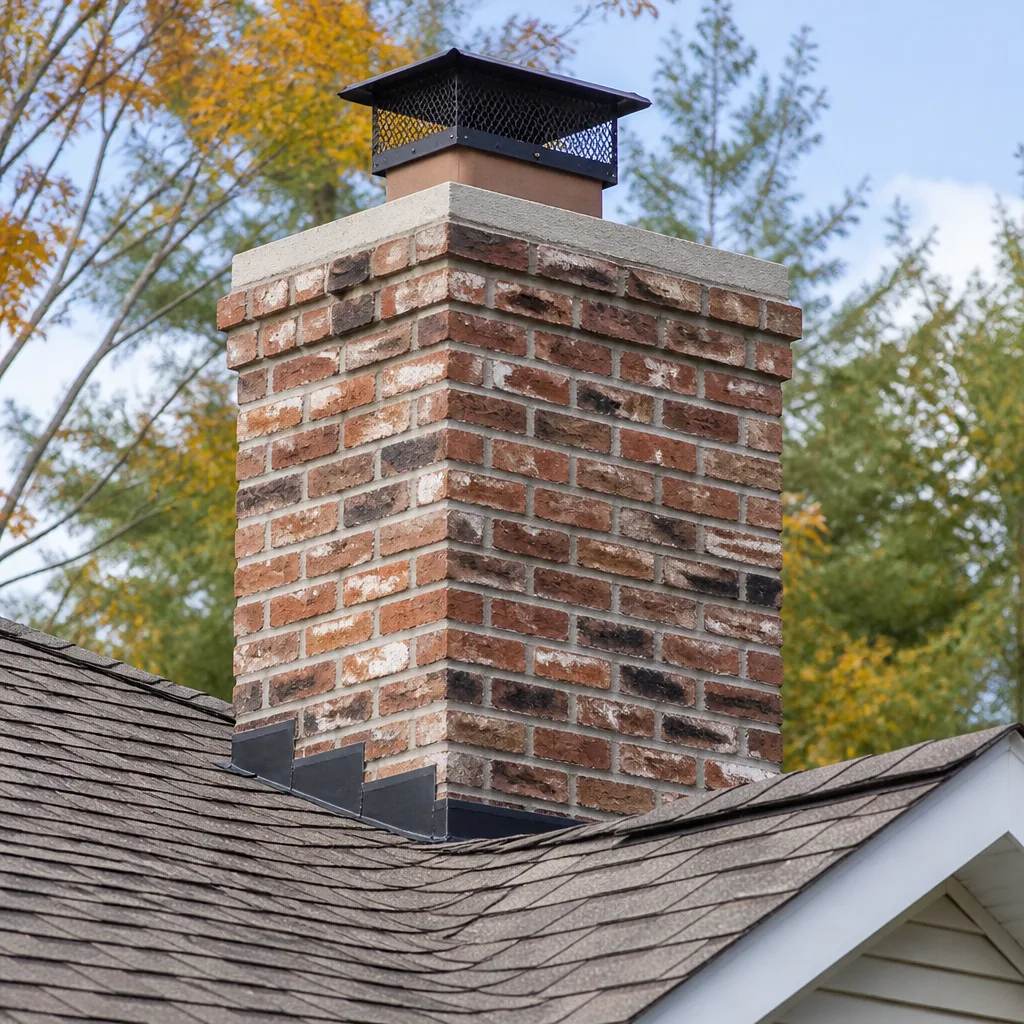 Masonry repair
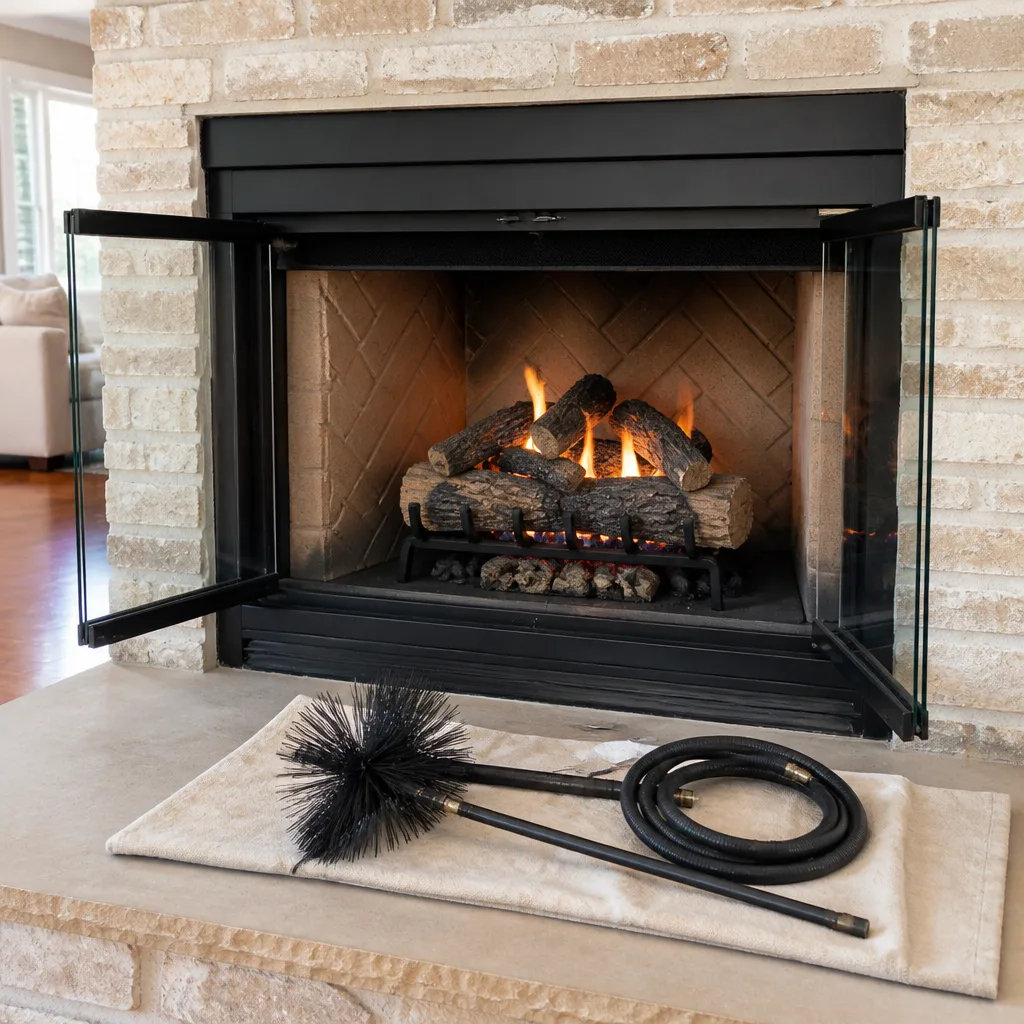 Gas fireplace service
Level 1 sweep and inspection to the NFPA 211 annual standard - flue, crown, cap, and flashing checked and photographed
Chimney sweep logs do not sweep chimneys. They loosen some creosote - which then falls where a brush and vacuum still have to collect it.
Chimney Sweep Maintenance Checklist for Pompano Beach Homeowners
Most chimney maintenance checklists you’ll find online were written for places with real winters. They tell you to inspect in the fall, watch for freeze damage, and button everything up before the first snow. That advice doesn’t fit Pompano Beach. Here, the chimney’s biggest enemies are summer rain, long humid stretches, and a hurricane season that runs for half the year, not ice. Following a cold-climate schedule means you’ll check at the wrong times and skip the parts that actually fail. This guide gives you a task-by-task checklist built around South Florida’s wet and dry seasons, the visual checks you can make safely on your own, and the signs worth photographing so a professional can track your chimney’s condition over time.
Quick Answer
In Pompano Beach, a chimney should be professionally swept and inspected once a year, ideally at the end of the burning season (late spring) so soot and creosote don’t sit through the humid summer. Between visits, homeowners should do simple ground-level and firebox checks after heavy rain and before the first fire of the season, keep the cap and crown clear, and put the dryer vent on the same maintenance calendar. The checklist below walks through what to check, when, and what to write down.
Styles & brands we work with
- Sweep & inspection
- Caps & crowns
- Flue relining
- Masonry repair
- Gas fireplace service
Table of Contents
- The Pompano Beach Seasonal Maintenance Calendar
- Ground-Level Visual Checks You Can Do Safely
- Inside the Firebox: What to Look For
- Reading Your Masonry: Normal Weathering vs. Real Erosion
- The Secondary Systems on the Same Schedule
- What to Document and How to Track Condition Over Time
- What a Professional Visit Covers
- Common Mistakes to Avoid
The Pompano Beach Seasonal Maintenance Calendar
A chimney maintenance calendar in Pompano Beach should follow rain and humidity, not cold. The wet season runs roughly May through October, and that’s when water does the most quiet damage to masonry, crowns, and flashing. The drier stretch from November through April is when most people actually burn, which means creosote builds up during the months when the weather is least likely to wash anything away. Build your checklist around those two rhythms and you’ll catch problems while they’re still cheap to fix.
Here’s how we’d lay it out month by month:
- March and April: Book your annual sweep and inspection before you stop burning for the season. This clears the creosote that built up over the winter and lets a professional catch cracks before the rains arrive.
- May: Walk the exterior from the ground after the first heavy rainstorm of the wet season. Look for staining on the chimney’s outside face and water inside the firebox.
- June through September: Recheck the crown, cap, and flashing after any named storm or several days of steady rain. Clean the dryer vent during this stretch, since lint and humidity combine poorly.
- October: Do a full pre-season walkthrough before your first fire: firebox, damper, cap, and a look up the flue with a flashlight.
- November through February: Keep an eye on creosote as you burn, and note any change in draft or smell. These are the months your fireplace actually works.
This schedule is the spine of chimney care here. Everything below plugs into it. If you want a professional to set the baseline, our chimney sweep service is designed to be booked early in the year for exactly this reason.
Ground-Level Visual Checks You Can Do Safely
The most useful inspection a homeowner can do needs no ladder and no tools. Stand back from your house, ideally on a clear morning, and look at the chimney from a distance. Binoculars help. What you’re looking for is change: anything that looks different from the last time you checked, anything wet where it shouldn’t be, anything loose, and anything growing.
Run through these checkpoints every time you do a ground-level look:
- The crown: the concrete slab on top. Look for visible cracks, crumbling edges, or plants sprouting from it. A cracked crown lets water straight into the masonry below.
- The cap: the metal or ceramic cover over the flue. It should sit square and intact. Rust streaks, sagging, or a missing cap all matter.
- The flashing: where the chimney meets the roof. Look for lifted edges, gaps, or dark staining on the roof around the base.
- Mortar joints: the lines between bricks. Compare them to the brick face. Recessed, sandy, or missing mortar is a signal – see the erosion section below.
- Efflorescence: the white, chalky stains that appear on masonry. It means water has moved through the brick and dried on the surface, pulling minerals with it.
- Staining and streaks: dark streaks on the outside of the chimney usually mean water is finding a path down. Green or black growth means moisture is staying put.
- Birds and debris: nests, twigs, or leaves at the top of the flue opening, or birds flying in and out. A blocked flue is a real hazard, not just a nuisance.
Never climb onto the roof yourself to get a closer look, and don’t lean a ladder against the chimney. Roof work and height work are the two areas where homeowners get hurt doing chimney “inspections.” The ground view tells you enough to know whether to call. If something looks off, note what and where, take a photo, and let a trained technician go up.
Inside the Firebox: What to Look For
The firebox and the first few feet of flue above it are safe for you to inspect visually. You’re not cleaning or repairing anything here – just looking. Open the damper, shine a flashlight up, and take your time. Do this before the first fire of the season and again after any stretch of heavy rain when you suspect water is getting in.
These are the things worth checking every time:
- The damper: it should open and close smoothly and seal reasonably well. A damper that sticks open year-round lets humid air and pests into the flue.
- The firebrick: look for cracks wider than a hairline, loose bricks, or missing chunks of mortar between them. Small cracks in firebrick are common; large ones need a professional look.
- The smoke shelf and chamber: shine the light up and back. Heavy black buildup, flaking, or shiny glazed patches on the flue walls are signs of creosote, especially glazed creosote, which is the type that fuels chimney fires.
- Water: any dampness, rust, or water staining inside the firebox is a leak from above. It won’t fix itself, and it will get worse through the wet season.
- Odor: a strong creosote smell on hot, humid days means buildup is significant enough to notice. It’s worth a call before cool weather.
One important safety note: never use a brush, vacuum, or any tool on the inside of the flue yourself, and never try to chip creosote off the walls. Glazed creosote is highly flammable, and the inside of a chimney is a confined space. That work belongs to a trained professional with the right equipment. Your job is to look, note, and call.
Reading Your Masonry: Normal Weathering vs. Real Erosion
Every chimney ages, but not every change is a problem. Here in Pompano Beach, the masonry takes a steady beating from sun, rain, and long humid stretches, and some weathering is normal. The trick is knowing which look means “keep an eye on it” and which look means “call someone.” Being able to describe what you see accurately is half of getting a good repair quote, so let’s put the right words on it.
Normal weathering is surface-level. The brick face may darken slightly, the mortar joints may show fine hairline cracks, and the overall color may be uneven. None of this compromises the structure, and it can usually be left alone.
Real erosion goes deeper. Look for these specific signs:
- Receding mortar joints: the mortar between bricks is set back noticeably from the brick face, or it crumbles when you rub it. Pointing (repairing the joints) may be needed.
- Sandy or powdery brick: the brick face erodes and leaves grit on the roof below, or feels soft and crumbly to the touch.
- Spalling: the front face of the brick flakes off in layers, leaving a pitted surface underneath.
- Efflorescence that returns: white staining that comes back after rain or after you brush it off means moisture is still moving through the wall.
- Interior staining: water marks or damp patches on the inside of the chimney chase, or on the ceiling near the chimney.
When you call a contractor, use these terms. “The mortar joints on the south face are receding and the brick feels sandy” gets a better response than “the chimney looks bad.” A professional should be able to look at the same evidence and tell you whether it’s cosmetic, whether it needs repointing, or whether a resurfacing product is the right fix. We use HeatShield for exactly this kind of restoration – it resurfaces a damaged flue from the inside, which means some chimneys that would once have needed a full liner replacement can be restored instead.
The Secondary Systems on the Same Schedule
Your fireplace isn’t the only vent in the house that needs attention. Two other systems belong on the same maintenance calendar, and it makes sense to check them at the same times you’re already thinking about your chimney.
The dryer vent. Lint accumulates in the vent line the same way creosote accumulates in the flue, and a clogged dryer vent is a leading cause of house fires in the same way a dirty chimney is. In a humid climate, lint and moisture also make a great home for mold. Put dryer vent cleaning on the same annual schedule as the chimney sweep: once a year for most households, and more often if you run many loads a week. This is a fire-safety task, not an add-on. Our dryer vent cleaning is meant to be booked alongside your chimney visit.
Secondary flues. If your home has a second chimney or a flue for a furnace, water heater, or another appliance, it needs the same annual check. Secondary flues are often overlooked because they’re less visible, and that’s exactly where problems hide. During a professional visit, ask them to look at every flue in the house, not just the one behind the fireplace.
The cap and ventilation components. Wind-driven rain and debris are the main threats here, so make sure the cap sits tight and any vent termination is clear of nests. Products like Gelco and Olympia Chimney caps are standard choices because they’re built to hold up to weather, and if a cap needs replacing, it’s a simple fix when it’s caught early.
What to Document and How to Track Condition Over Time
The single most underrated part of chimney maintenance is keeping a record. A chimney doesn’t fail overnight. It changes over years, and the person best positioned to notice the change is you, provided you’ve written down what you saw the last time you looked. This is where a homeowner can make a real professional’s job easier.
Every time you do a check, document these five things:
- The date. Write it down. Consistency matters more than detail here.
- Photos from the same angles. Stand in the same spot on the lawn, use the same zoom, and shoot the crown, the flashing, and each face of the chimney. Photos from the same angle let you or a technician compare year to year without guesswork.
- Weather notes. Note if it had rained heavily in the last few days before your check. This helps explain staining, efflorescence, and dampness.
- Observations in words. Short and specific: “south face mortar receded about half an inch,” “white staining on lower third,” “cap looks loose on the north side.”
- Anything that changed since the last check. If you have last year’s photo and this year’s side by side, you’ll spot changes you’d otherwise miss.
Keep a folder on your phone or a notebook in a kitchen drawer. When a professional arrives, hand them the record. When you’re comparing quotes, you’ll be describing the same condition to each contractor. We rely on photos and notes like this to compare one year’s condition against the next. If you’ve had a camera inspection done previously, the report should include photos you can store in the same folder.
What a Professional Visit Covers
A professional chimney visit in Pompano Beach covers more ground than most homeowners expect. It’s not just a sweep. A good annual visit combines cleaning, inspection, and a written record of your chimney’s condition, so you’re not guessing about what’s happening inside the flue.
Here’s what an annual professional visit should include:
- A full sweep of every flue in the home, not just the fireplace. Creosote and soot come out with the right brushes and equipment.
- A camera inspection of the flue. A camera shows the inside of the flue clearly and lets the technician see cracks, gaps, and glazed creosote that a flashlight from below can’t reach.
- A photo report. Photos of what was found, so you can see it yourself. If a technician says you need a liner, you should be able to look at the evidence and understand why.
- A look at the exterior: crown, cap, flashing, and masonry condition, noted in writing.
- A look at the firebox, damper, and smoke chamber for damage and water intrusion.
- The dryer vent, if it isn’t already on the annual schedule.
When a professional finds a problem, the useful question is whether it can wait. Not every finding needs immediate repair. Some cracks can be watched, some can be resurfaced, and some genuinely need relining before the next season. A good report tells you which is which, and a good technician will say plainly when something can safely wait. From there, our crew can reline with DuraFlex flexible liner systems or resurface with HeatShield, and because it’s the same company doing the sweep and the repair, there’s no handoff to a second contractor and no markup stacked on top.
Common Mistakes to Avoid
- Following a cold-climate checklist. Inspecting only in fall and watching for freeze damage skips the actual threats here. Pompano Beach chimneys take their worst hits from summer rain and long humid stretches, so the calendar needs to match the climate, not a generic one from a colder state.
- Ignoring the chimney from May through October. The wet season is when water finds cracks. A quick ground-level look after a heavy storm catches most of the serious stuff while it’s still small.
- Skipping the dryer vent. Dryer vent cleaning gets treated as optional far too often. It’s fire-safety maintenance, and it belongs on the same yearly schedule as the sweep.
- Burning before the first pre-season check. Lighting the first fire of the season before a quick firebox and flue look is a common habit. Do the walkthrough first, then light it.
- Never documenting anything. Homeowners who can’t tell a professional what the chimney looked like last year lose an important data point. Photos and dates are easy to keep and make comparisons possible.
- Climbing on the roof to inspect. This is the mistake most likely to end in injury. Ground-level checks and firebox checks give you enough to know when to call; the roof is a professional’s job.
- Letting a camera inspection get skipped. A flashlight look from below misses most of the flue. If a quote includes a camera inspection and photo report, that’s the difference between a confident assessment and a guess.
See the difference
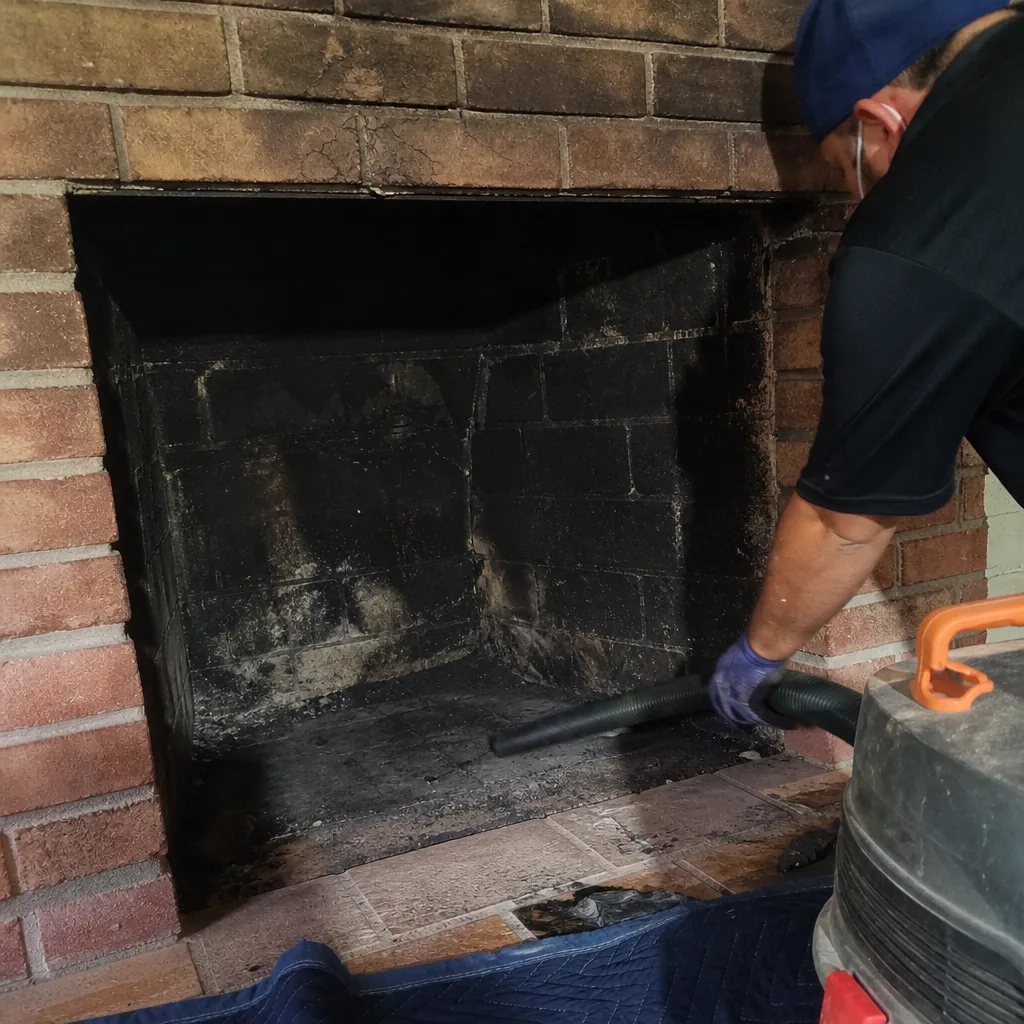 Before
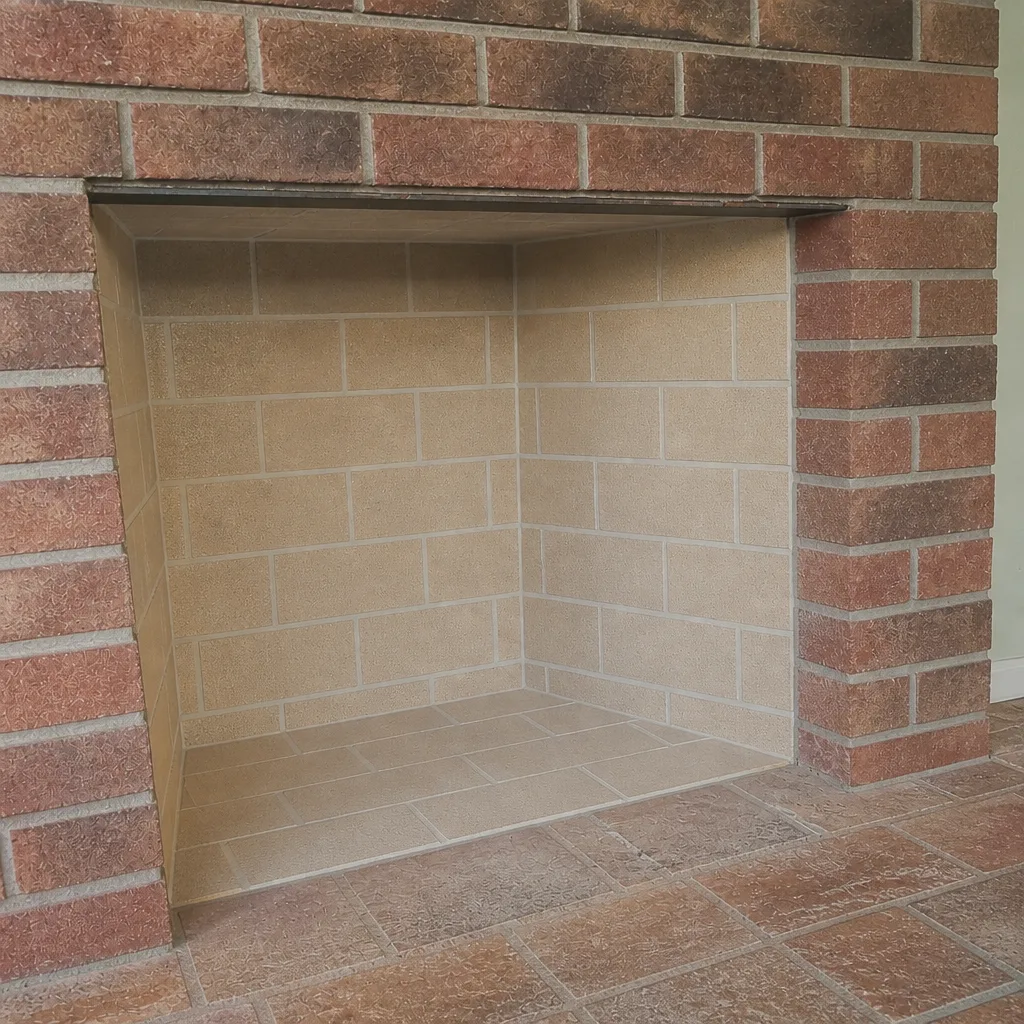 After
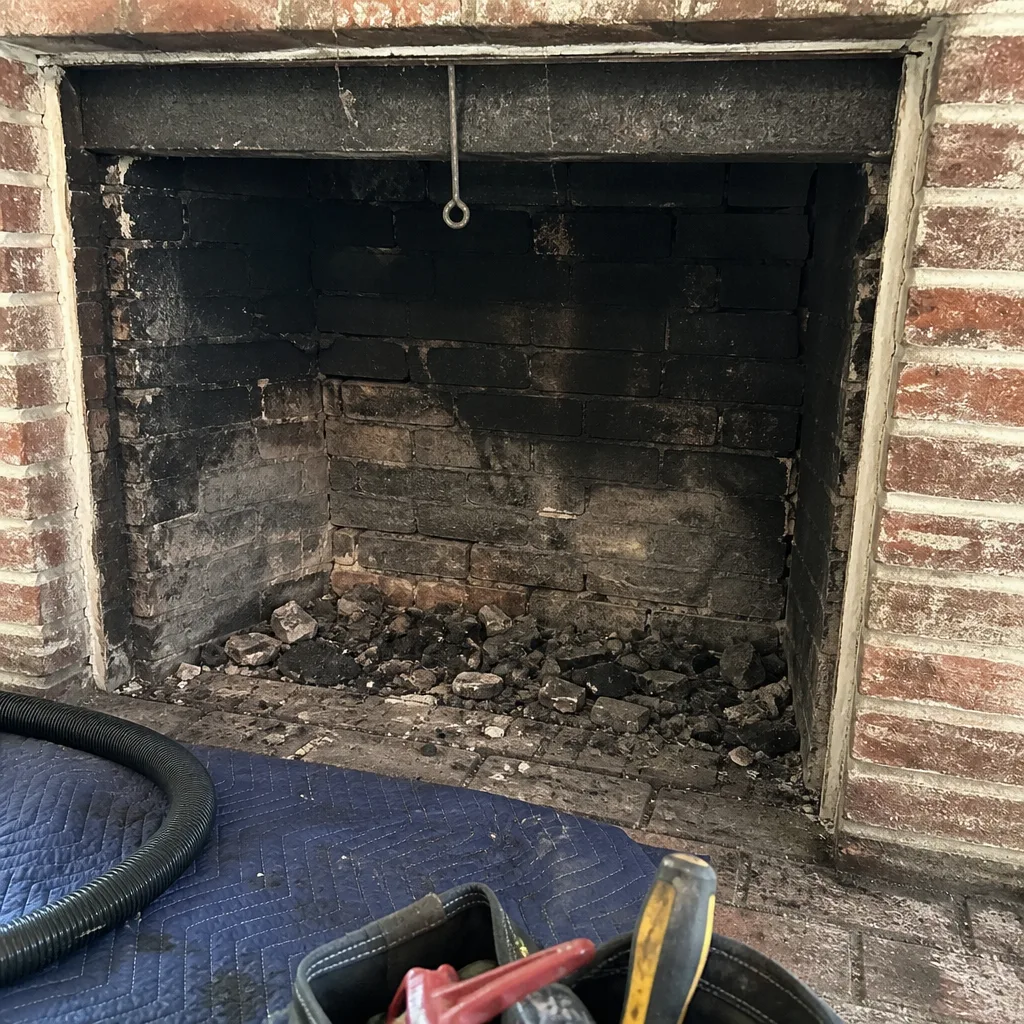 Before
 After
 Before
 After
When to Call a Professional
Some jobs are homeowner checks. Some need a trained technician. Call a professional if you see any of the following:
- Water inside the firebox, or dampness and rust around the damper.
- A cracked or crumbling crown, or plants growing out of the chimney top.
- Mortar joints that are noticeably receding, or brick surfaces that feel sandy and soft.
- Heavy black buildup on the flue walls, or shiny, glazed patches.
- Any concern about how the flue is venting, or a chimney that smells strongly of soot on humid days.
- A dryer that takes longer to dry clothes, or lint accumulating behind the vent.
None of these need a panic repair. Most need a look, a camera inspection, and an honest conversation about timing. Stratford Chimney Sweep offers free estimates in Pompano Beach – call (866) 361-5813. We answer 24/7. Fast dispatch from 7am to 7pm, Sunday through Friday.
Frequently Asked Questions
Once a year is the right baseline for most homes in Pompano Beach, ideally at the end of the burning season, in late spring. If you burn frequently or notice heavy creosote buildup, a second check partway through the season is worth considering. The annual visit clears the flue and gives you a fresh condition report to compare against the previous year.
Yes, mainly because moisture, not cold, is the main threat. Freeze and thaw damage don’t apply here, but summer rain, humidity, and long wet seasons are hard on masonry, crowns, and flashing. The right schedule is built around the wet and dry seasons rather than fall and winter.
A camera inspection is what lets a professional actually see the inside of the flue. A sweep removes soot and creosote; the camera shows cracks, gaps, and glazed creosote that a flashlight from below can’t reach. We include a camera inspection and a photo report so you can look at the evidence yourself before deciding on any repair.
Normal weathering stays on the surface: slight darkening, fine hairline cracks, uneven color. Real damage goes deeper: mortar joints receding from the brick face, sandy or crumbling brick, spalling, or white efflorescence that keeps returning. If you see those deeper signs, get a professional to look at the chimney rather than waiting for the next season.
Because it’s the same category of hazard. A clogged dryer vent traps lint and heat, and it’s a fire risk in the same way a creosote-loaded chimney is. Cleaning it once a year keeps the whole house’s ventilation safe, and it’s a natural thing to book alongside your annual chimney sweep.
Write down the date and weather conditions, take a photo, and call a professional. Water inside the firebox means the chimney is letting water in from somewhere above: the crown, the flashing, or the masonry. It’s worth a camera inspection before the wet season gets going. Call (866) 361-5813 for a free estimate – we answer 24/7 and dispatch Sunday through Friday, 7am to 7pm.
The Bottom Line
A chimney maintenance checklist for Pompano Beach should be built around the wet and dry seasons, not a cold-climate calendar. The short version: book an annual sweep and camera inspection at the end of the burning season, do ground-level checks after heavy rain, look inside the firebox before the first fire of the year, and keep the dryer vent on the same schedule. Document everything with dates and same-angle photos so you can compare conditions year over year. When something does need fixing, resurfacing with HeatShield and relining with DuraFlex give you options beyond “replace everything,” and having one company for the sweep and the repair saves the hassle of a second contractor.
If you want a baseline report on your chimney to start the year, Stratford Chimney Sweep offers free estimates across Pompano Beach. Call (866) 361-5813. We answer 24/7. Fast dispatch from 7am to 7pm, Sunday through Friday. Our technicians have up to 10 years of experience, and the whole Stratford Chimney Sweep team is ready to help.
Written by the team at Stratford Chimney Sweep.